
Nestled in northern Thailand, Chiang Rai is an enchanting destination often overshadowed by its livelier neighbor, Chiang Mai. But for those seeking a more laid-back, cultural, and visually stunning adventure, Chiang Rai is an absolute must.
From the gleaming White Temple to the tranquil Blue Temple, every corner of Chiang Rai tells a story of art, spirituality, and tradition. It’s a place where the modern world seamlessly blends with ancient Lanna heritage, offering visitors a fascinating glimpse into Thailand’s past and present.
This city is rich in history, surrounded by breathtaking landscapes, and home to some of Thailand’s most unique temples and artistic wonders. Additionally, with fewer tourists compared to Chiang Mai, you’ll get to enjoy a more peaceful and immersive experience without the bustling crowds.
Best Time to Visit Chiang Rai
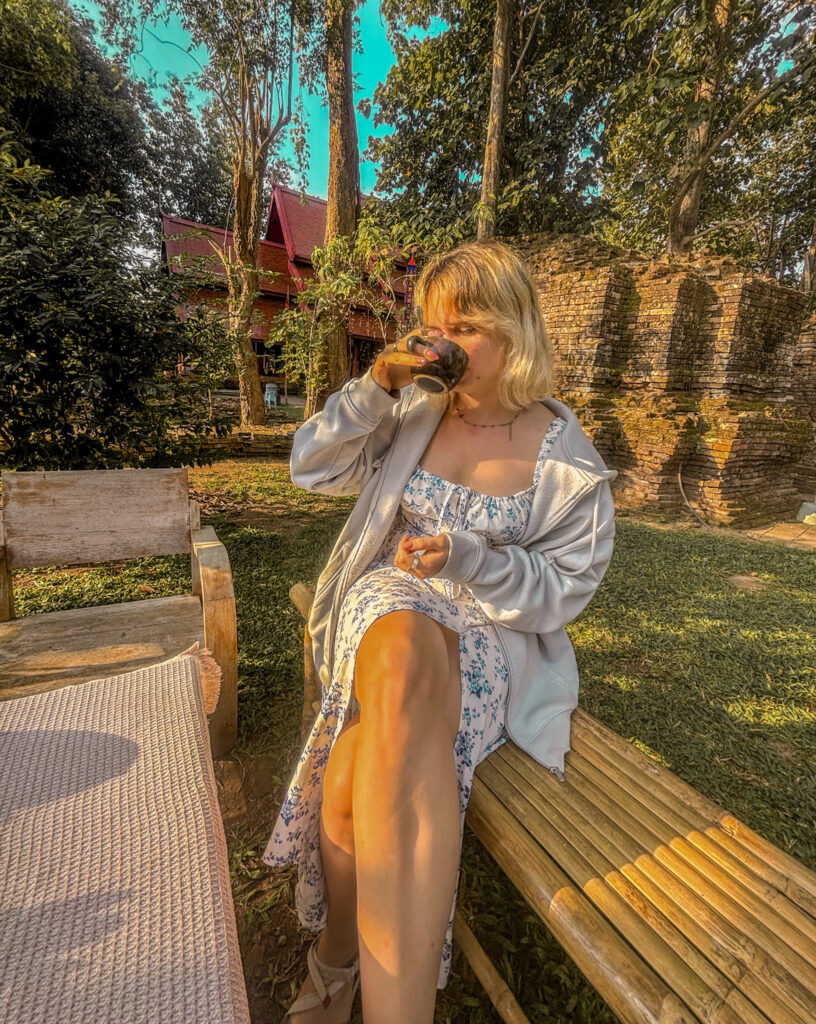
💚 The best time to visit Chiang Rai is between November and February, when the weather is pleasantly cool, making it ideal for sightseeing. During these months, the temperature is comfortable, ranging between 15°C to 25°C (59°F to 77°F), making it perfect for exploring outdoor attractions without breaking a sweat.
☀️ March to May can get quite hot, with temperatures soaring above 35°C (95°F), which can make walking around less enjoyable.
🌧️ The rainy season, from June to October, transforms the landscape into a lush, green paradise, but frequent showers may disrupt travel plans.
🏮 If you want to experience the Yi Peng Lantern Festival, plan your trip around November, when thousands of lanterns illuminate the night sky, creating an unforgettable spectacle.
No matter when you visit, Chiang Rai offers something special year-round, but the cool season is undoubtedly the best for making the most of your trip.
Best Things to Do in Chiang Rai
1. Marvel at the White Temple (Wat Rong Khun)
Undoubtedly, Chiang Rai’s most famous landmark, Wat Rong Khun, or the White Temple, is a mesmerizing work of art that looks like something out of a dream.
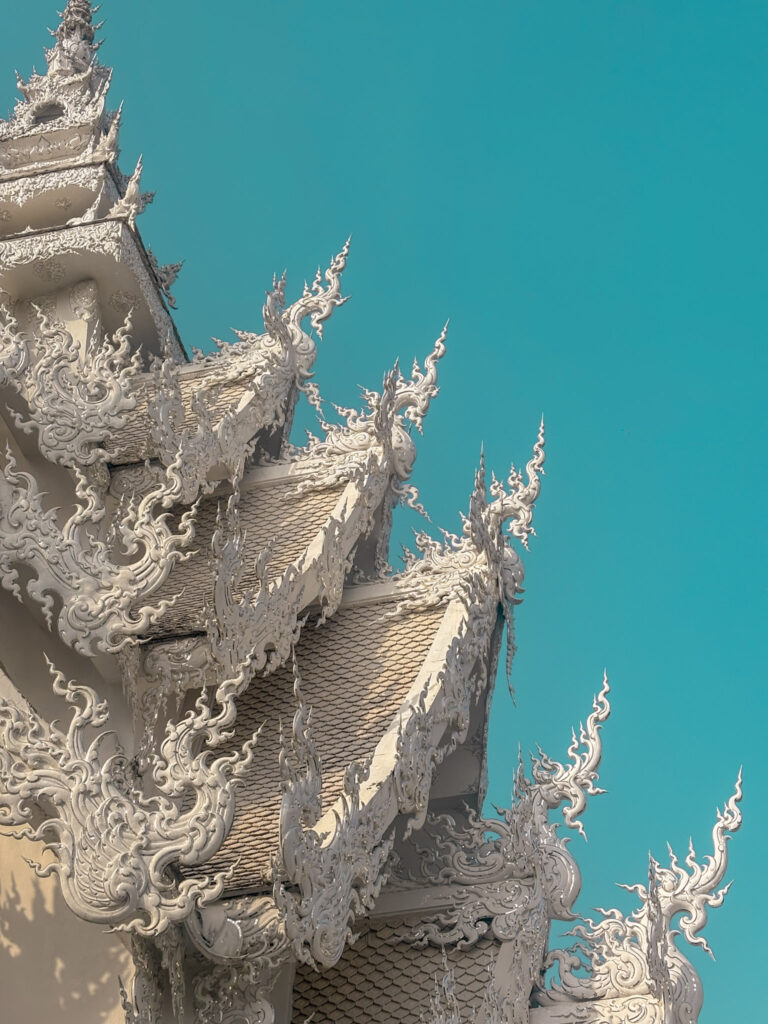
Created by renowned Thai artist Chalermchai Kositpipat, the temple is an intricate masterpiece symbolizing the cycle of rebirth. Its gleaming white exterior, representing purity, is adorned with delicate carvings and reflective glass fragments that make it shimmer in the sunlight.
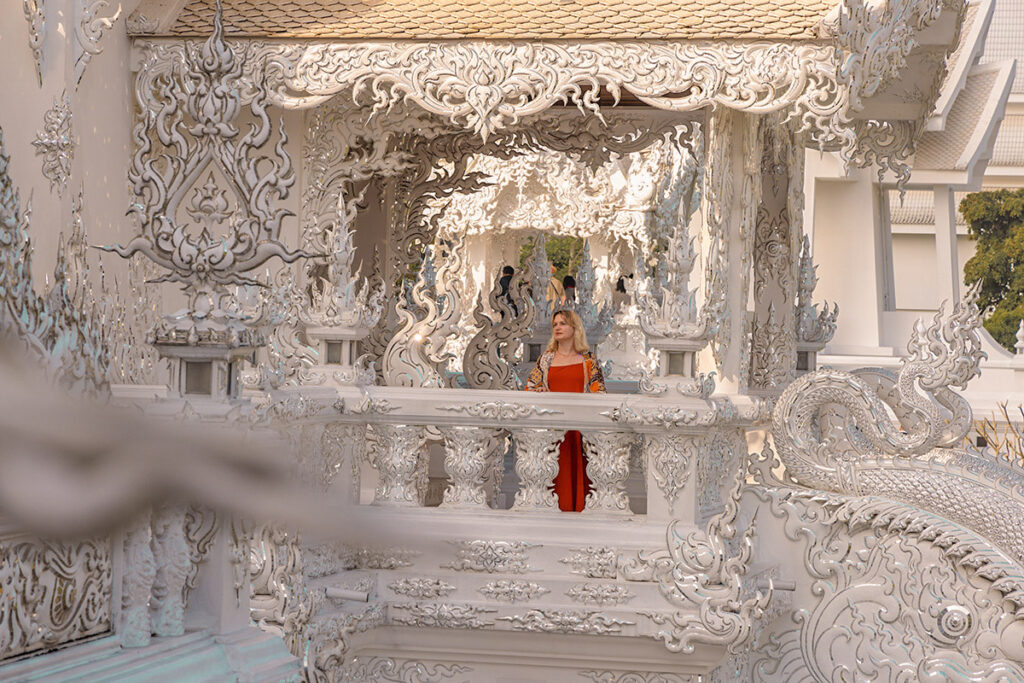

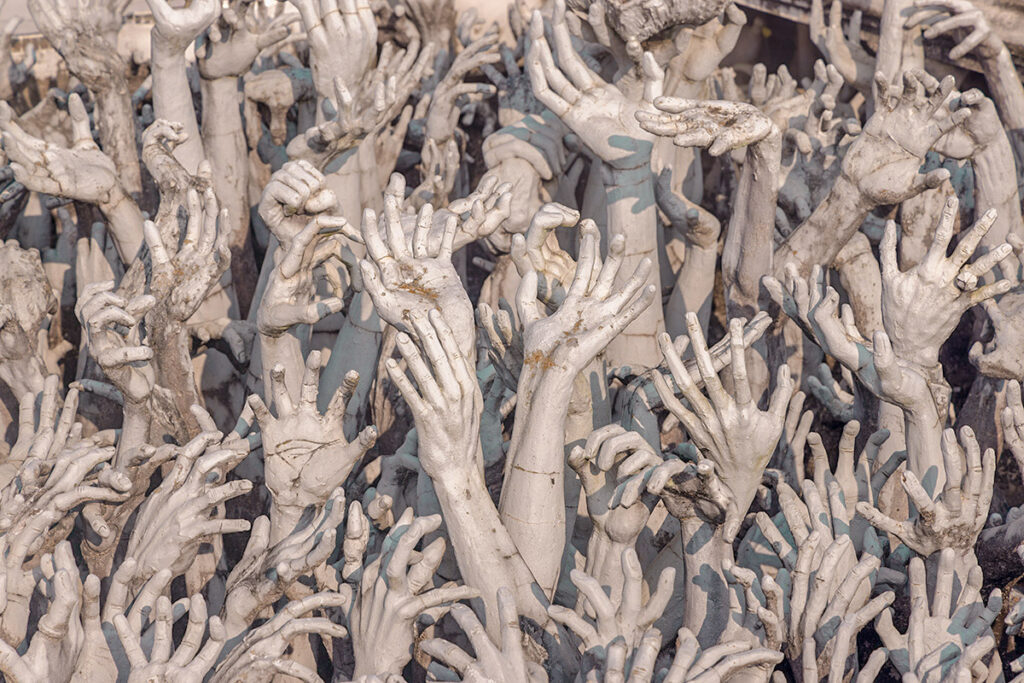
The bridge leading to the temple is filled with outstretched hands, symbolizing human suffering, while the interior is decorated with surreal murals blending traditional Buddhist themes with modern cultural references. It’s a place where spirituality and contemporary art collide in a way that’s truly unique.
💡 Insider tip: Dress modestly and be respectful of the temple’s rules. Arrive early (be there even before opening) to beat the crowds. It’s best to avoid weekends and holidays, as during those times it gets the busiest.
✨ Need to Know
- ⏰ Open: Daily from 8:00 AM to 5:00 PM. Mornings are best to avoid crowds and harsh light for photos.
- 📍 Location: About 13 km south of Chiang Rai city center in Rong Khun village — roughly a 20-minute drive.
- 💸 Entrance: 100 THB per person. Tickets available at the gate (cash only).
- 🚗 Getting there: Easiest by Grab, private driver, or motorbike rental. Local songthaews also run between the city and the temple during the day.
🌸 Book your Chiang Rai Temples Day Tour — a scenic journey through art, color, and culture, visiting the iconic White Temple (Wat Rong Khun), the mesmerizing Blue Temple (Wat Rong Suea Ten), and the relaxing Mae Kachan Hot Springs, with a cultural stop at a Hill Tribe Long Neck village. A perfect full-day trip from Chiang Mai for curious travelers and art lovers.
2. Visit the Blue Temple (Wat Rong Suea Ten)

Less crowded but equally stunning, the Blue Temple is a true gem that captivates visitors with its deep sapphire blue and gold hues. Unlike traditional Thai temples, this one embraces a strikingly modern design, blending intricate patterns with a mystical aura.
The white Buddha statue inside glows beautifully against the temple’s deep blue walls, creating a surreal and calming atmosphere.
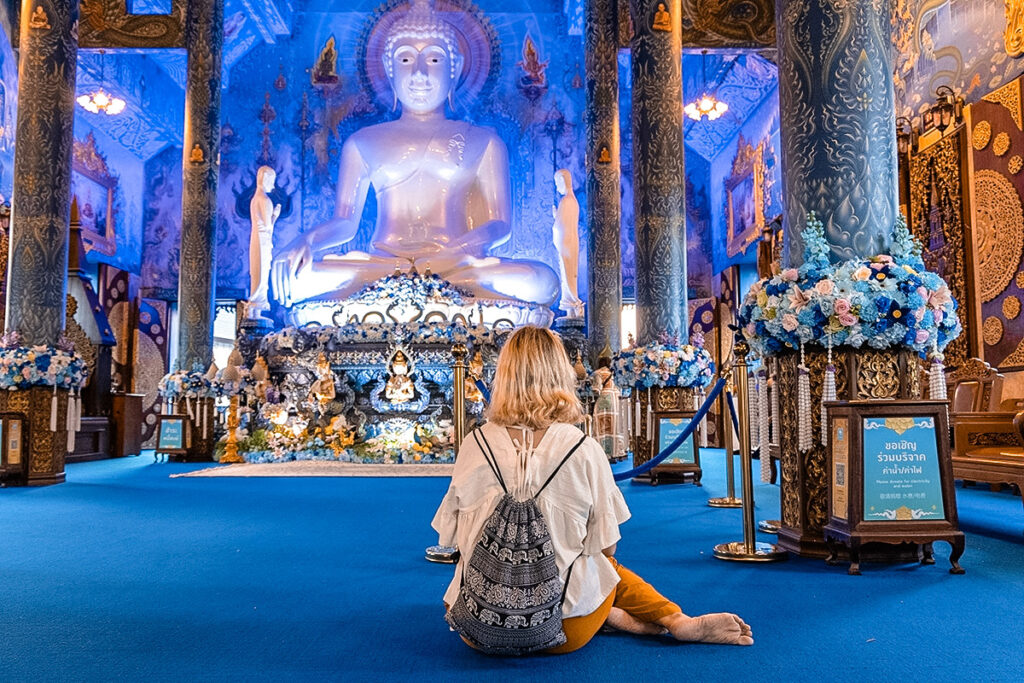
Although it’s relatively new, the temple has gained immense popularity for its captivating architecture and peaceful surroundings. The name “Rong Suea Ten” translates to “House of the Dancing Tiger,” a nod to the area’s past when wild tigers roamed freely.
💡 Insider tip: Visit during golden hour for the best photos. Don’t forget to explore the nearby café scene for a refreshing break after your visit.
✨ Need to Know
- ⏰ Open: Daily from around 7:00 AM to 8:00 PM. Early morning and late afternoon have softer light and fewer crowds.
- 📍 Location: In the Rong Suea Ten area, about 3–4 km north of Chiang Rai city center — roughly a 10-minute drive from the Clock Tower.
- 💸 Entrance: Free, with optional donation boxes supporting temple maintenance.
- 🚗 Getting there: Easy to reach by Grab, tuk-tuk, bicycle, or motorbike. Many travelers combine it with the White Temple and Black House tour on the same day.
3. Explore the Black House (Baan Dam Museum)
The Black House, or Baan Dam Museum, is an eclectic collection of dark, gothic-style structures filled with eerie artifacts, animal skins, and tribal art. Created by the late Thai artist Thawan Duchanee, this museum showcases thought-provoking art with a focus on death and the afterlife.
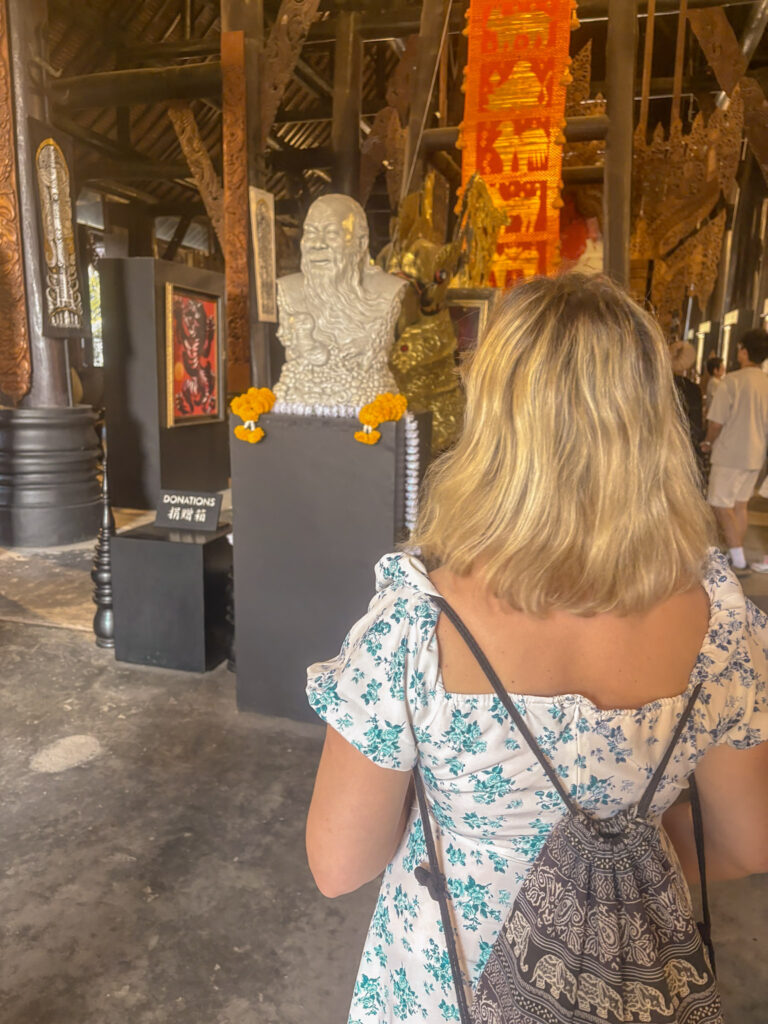
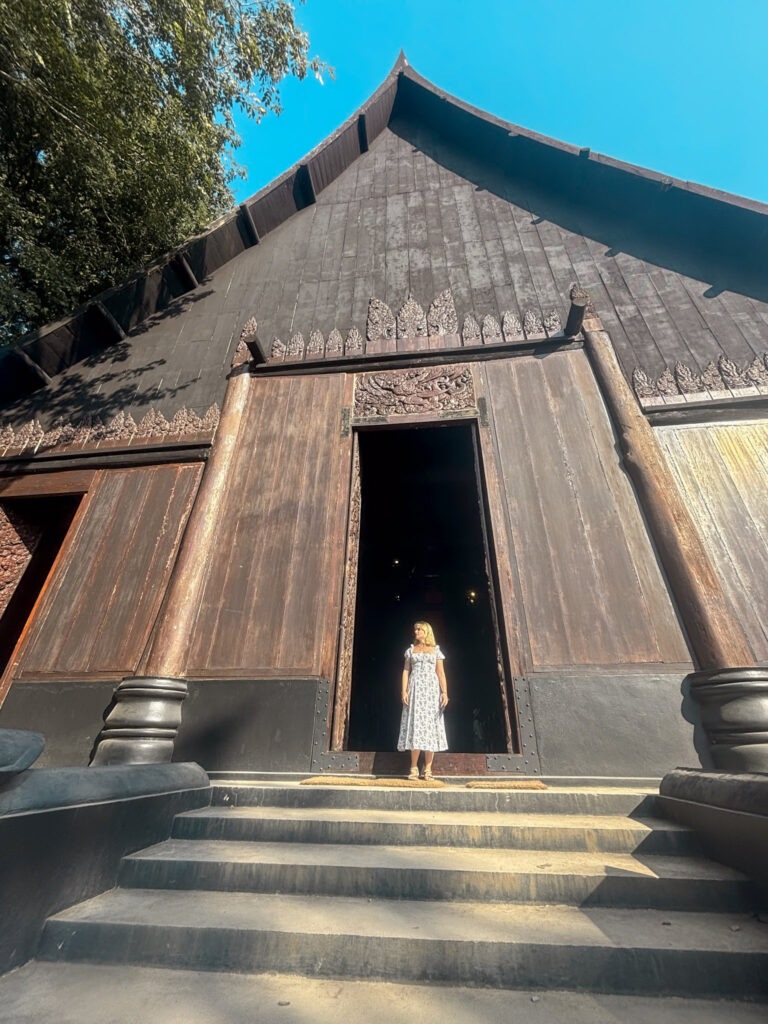
The Black House embraces a darker aesthetic, featuring black-painted wooden buildings that house an array of bizarre artifacts, from skulls and bones to giant wooden thrones. Some visitors find the experience haunting, while others ( me included!) appreciate the deep artistic expression that explores the darker aspects of existence.
I found the Baan Dam Museum to be one of the most striking artistic spaces in Northern Thailand — unsettling yet deeply magnetic. Every hall feels intentional, a dialogue between beauty and mortality that leaves a lasting impression long after you step back into the light.
💡 Insider tip: Best to visit in the morning before it gets too hot. If you love photography or unusual art, this is a must-visit spot in Chiang Rai.

✨ Need to Know
- ⏰ Open: Daily from 9:00 AM to 5:00 PM, but have in mind that it’s closed for lunch break from 12 to 1 PM. Last entry is around 4:30 PM — mornings are quieter and better for photos.
- 📍 Location: In Nong Luang village, about 10 km north of Chiang Rai city center — roughly a 15-minute drive.
- 💸 Entrance: 80 THB per person, tickets available on-site (cash only).
- 🚗 Getting there: Accessible by Grab, taxi, or private driver. It’s often included in combined tours with the White Temple and Blue Temple.
📖 Discover the stories behind Chiang Rai’s sacred landmarks in my full post: Best Temples in Chiang Rai — Complete Travel Guide
4. Must-Visit Landmark: Chiang Rai Clock Tower
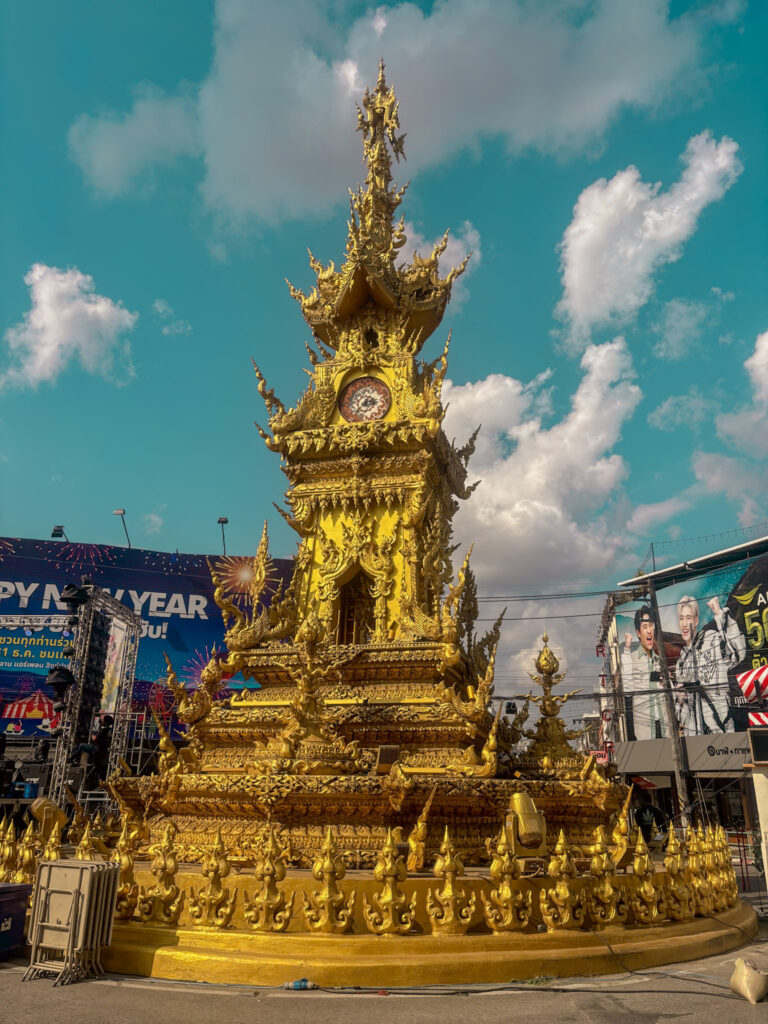
No trip to Chiang Rai is complete without stopping by the Chiang Rai Clock Tower. Designed by the same artist behind the White Temple, this ornate golden structure is not just a functional clock; it’s a shimmering piece of public art right in the middle of a busy intersection.
I’ve watched the show a few times now, and it still feels magical: every evening at 7:00, 8:00, and 9:00 PM, the tower comes alive with a short light-and-music performance, turning the roundabout into an open-air stage for a few minutes.
It’s the perfect place to end your evening, especially if you’re walking back from the Night Bazaar — just pause on the corner, soak up the atmosphere, and let the glowing gold tower close out your day in Chiang Rai.
💡 Insider tip: Arrive a few minutes before the hour and stand on one of the pavement corners (not in the middle of the road) — you’ll get the best view of the color changes, and you can slip straight back toward the Night Bazaar once the show ends.
5. Discover the Golden Triangle & Opium Museum
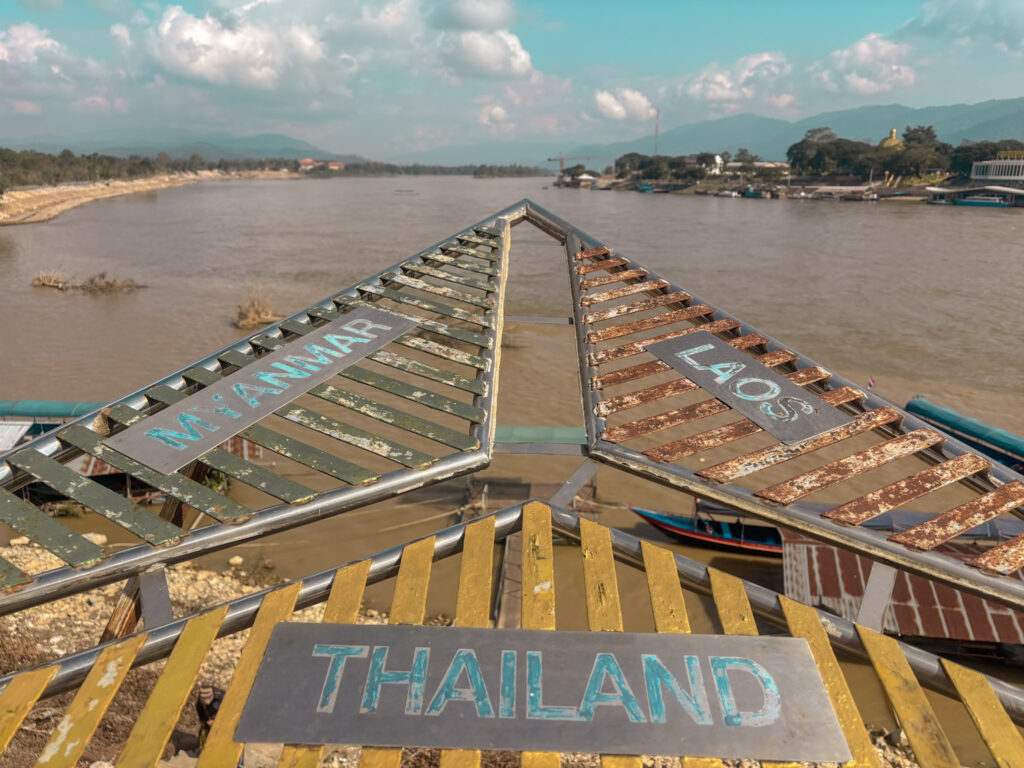
Once infamous for its role in the historic opium trade, the Golden Triangle is today one of Northern Thailand’s most fascinating viewpoints. This is where Thailand, Laos, and Myanmar converge — a landscape shaped by rivers, borders, and centuries of cultural exchange.
Standing at the lookout near Sop Ruak village, you can gaze across the Mekong River, watching long-tail boats glide between countries and the distant hills fade into mist. It’s a peaceful scene that contrasts sharply with its turbulent past.
The area earned its name during the 20th century, when opium production and smuggling dominated these river valleys. Today, the region has reinvented itself, focusing on sustainable tourism and cross-border trade. Local guides often share stories of how the Golden Triangle transformed from a secretive frontier into a symbol of cooperation and renewal.
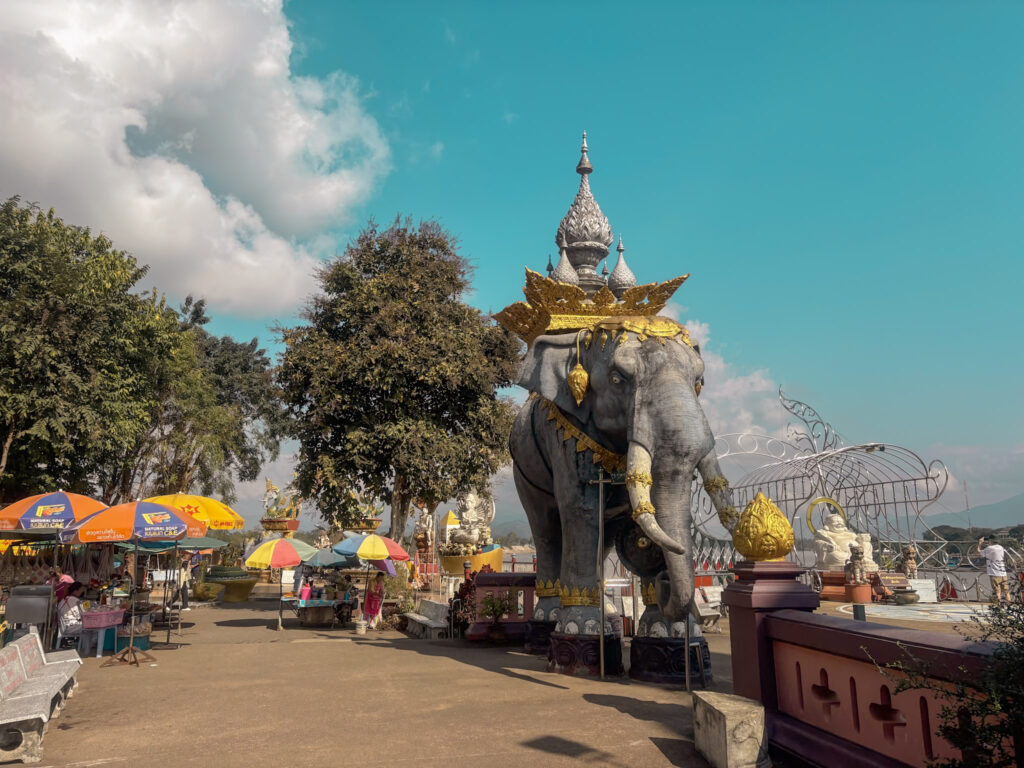
I find the spot most captivating in the early morning, when the air is cool and soft light reflects off the river. From the viewpoint, you can clearly see Laos across the Mekong and Myanmar’s hills to the northwest, with small temples and Buddha statues marking each nation’s side. There’s also a striking golden Buddha near the Thai bank — a photogenic landmark overlooking the river junction.
Visitors can explore small local shops, stop by the House of Opium Museum, or take a boat trip on the Mekong River, which offers a close-up look at the three borders from the water. It’s an easy half-day or full-day trip from Chiang Rai, and often included in combined tours with Chiang Saen and nearby hill-tribe villages.
🌿 Book your Golden Triangle & Mae Khong River Day Tour — enjoy a scenic Mae Khong River boat trip, explore the Monkey Cave, visit a Longneck Karen Village, wander the lush Choui Fong Tea Plantation, and learn the region’s history at the House of Opium Museum. A perfect blend of culture, nature, and adventure in Northern Thailand.
The Golden Triangle isn’t just a scenic stop — it’s a window into the history, resilience, and changing identity of Northern Thailand.
✨ Need to Know — Golden Triangle
- ⏰ Open: Accessible daily, all day. Mornings offer clearer views across the Mekong River before the afternoon haze sets in.
- 📍 Location: Near the town of Sop Ruak, about 70 km north of Chiang Rai city — roughly a 1.5-hour drive.
- 💸 Entrance: Free to visit the viewpoint; small parking fees may apply. Boat trips on the Mekong are paid separately.
- 🚗 Getting there: Best reached by private driver or organized day tour (many include Chiang Saen and Mae Khong River stops).
💡 Insider Tips — Golden Triangle
- 🚶♂️ Going with a guide will give you a deeper insight into the region’s past.
- 🚤 Take a short boat ride along the Mekong River for a unique cross-border experience.
- 🛕 Don’t miss visiting some of the beautiful old temples near the viewpoint.
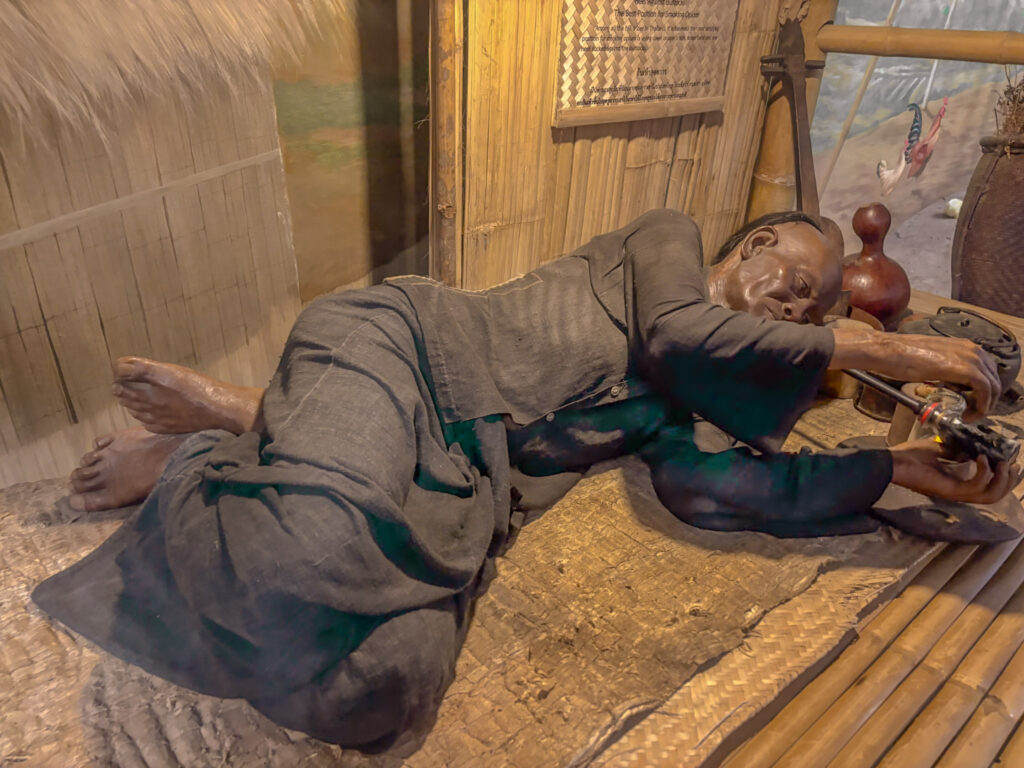
The House of Opium Museum offers a fascinating look into the Golden Triangle’s turbulent history, revealing how the region’s once-thriving opium trade shaped local lives and economies.
Through a mix of detailed exhibits and old photographs, the museum traces the rise and fall of opium cultivation across Northern Thailand, Laos, and Myanmar, and the decades-long efforts to replace it with sustainable crops and tourism.
As you wander through the small but surprisingly rich collection, you’ll see traditional opium pipes, scales, and containers — everyday artifacts that tell powerful stories of trade, addiction, and survival. The displays are educational without being overwhelming, giving a clear sense of how this crossroads of three nations transformed from a secretive smuggling hub into a peaceful cultural destination.
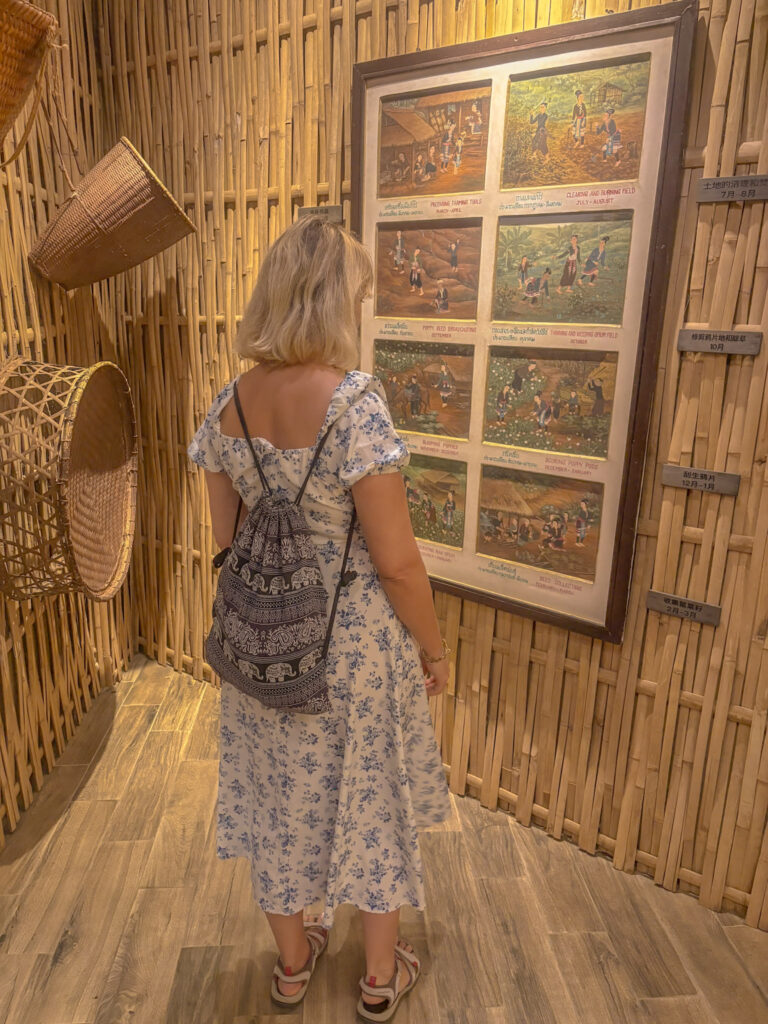
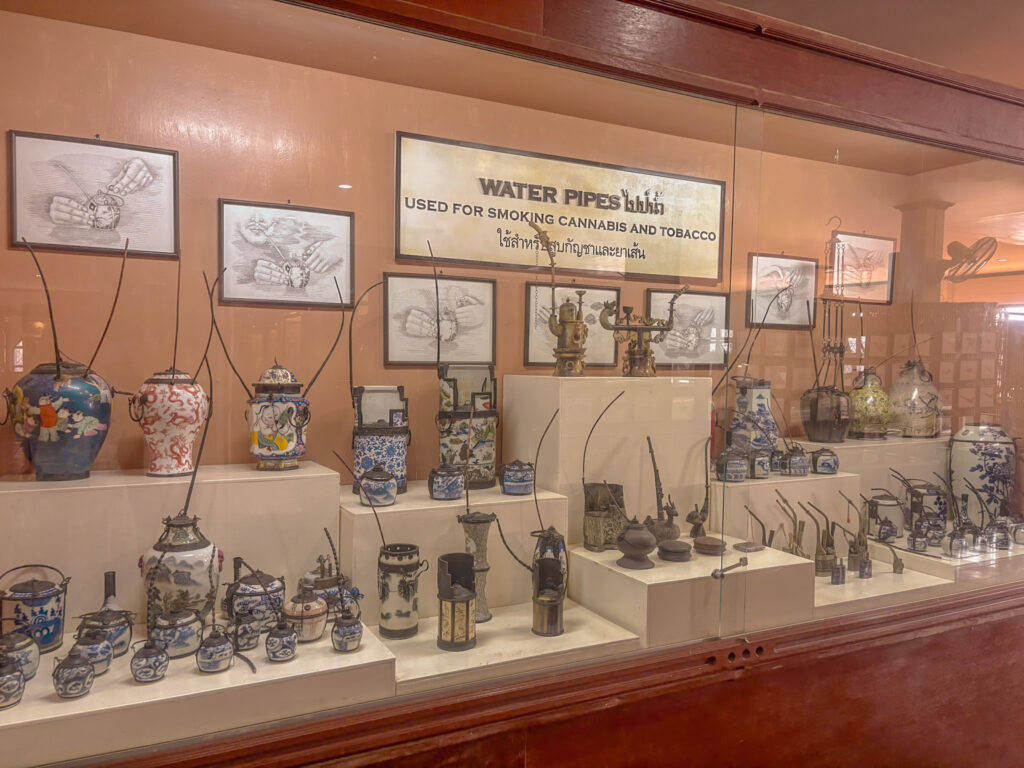
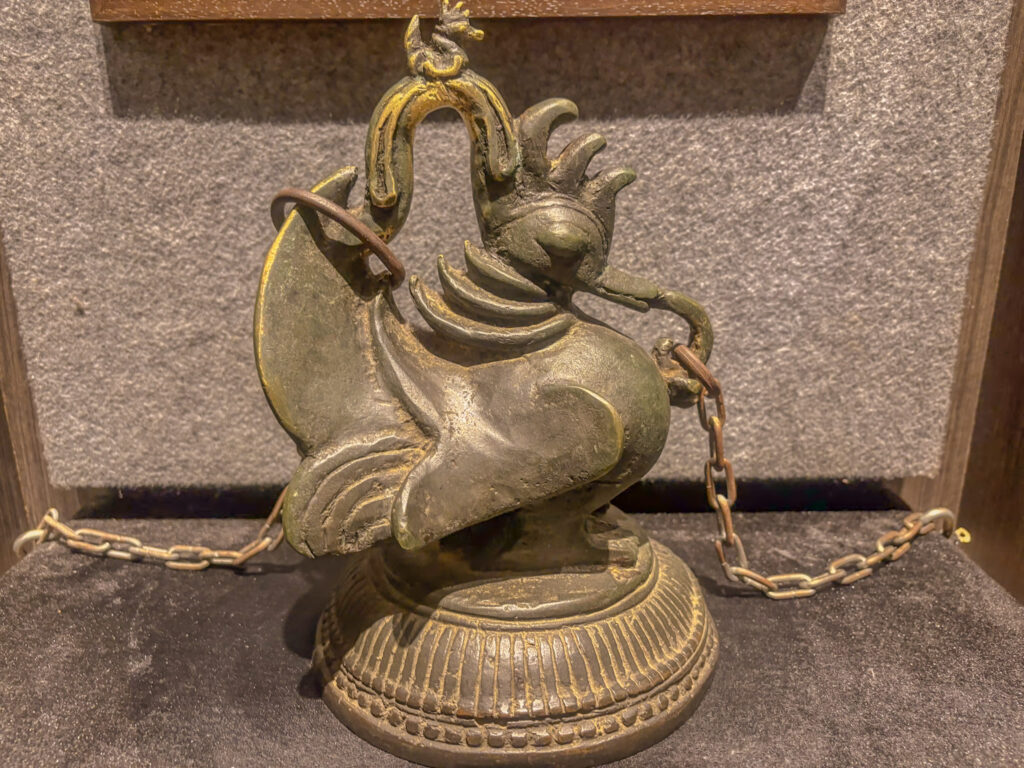
I found it one of the most insightful stops in the area — modest in size but full of context that brings the Golden Triangle to life. Entry costs just 50 THB, and each visitor receives a small souvenir postcard of their choice. Children enter free, making it a family-friendly stop that adds depth and understanding to any day trip.
✨ Need to Know — House of Opium Museum
- ⏰ Open: Daily from 7:00 AM to 6:00 PM. Plan around 30–45 minutes to explore the exhibits comfortably.
- 📍 Location: In Sop Ruak village, just steps from the main Golden Triangle viewpoint.
- 💸 Entrance: 50 THB per person; children enter free. Tickets available at the small counter outside.
- 🏺 Highlights: Displays on the opium trade’s history, traditional tools, and regional artifacts — surprisingly detailed for its size.
- 🚗 Getting there: Combine it with a Golden Triangle or Chiang Saen day tour for the easiest transport option.
6. Visit Chiang Saen (Wat Pa Sak)
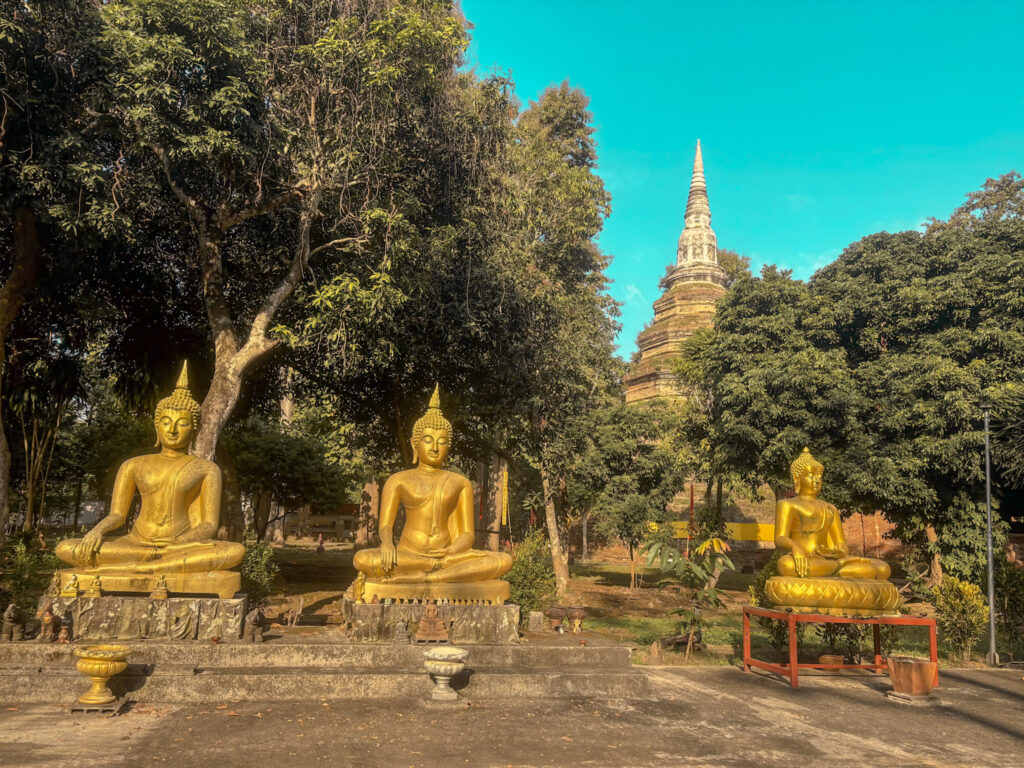
For history lovers, Chiang Saen is a must-visit. This ancient city, located along the Mekong River, is one of Thailand’s oldest settlements and was once the thriving capital of the Lanna Kingdom.
Today, Chiang Saen is home to numerous ruins, including Wat Pa Sak (The Teak Forest Monastery), a stunning 13th-century temple.
Walking through the remains of the temple and surrounding structures, you can almost feel the echoes of history whispering through the air. The peaceful atmosphere makes it a great place to escape from the tourist crowds and soak in the history and spirituality of the area.
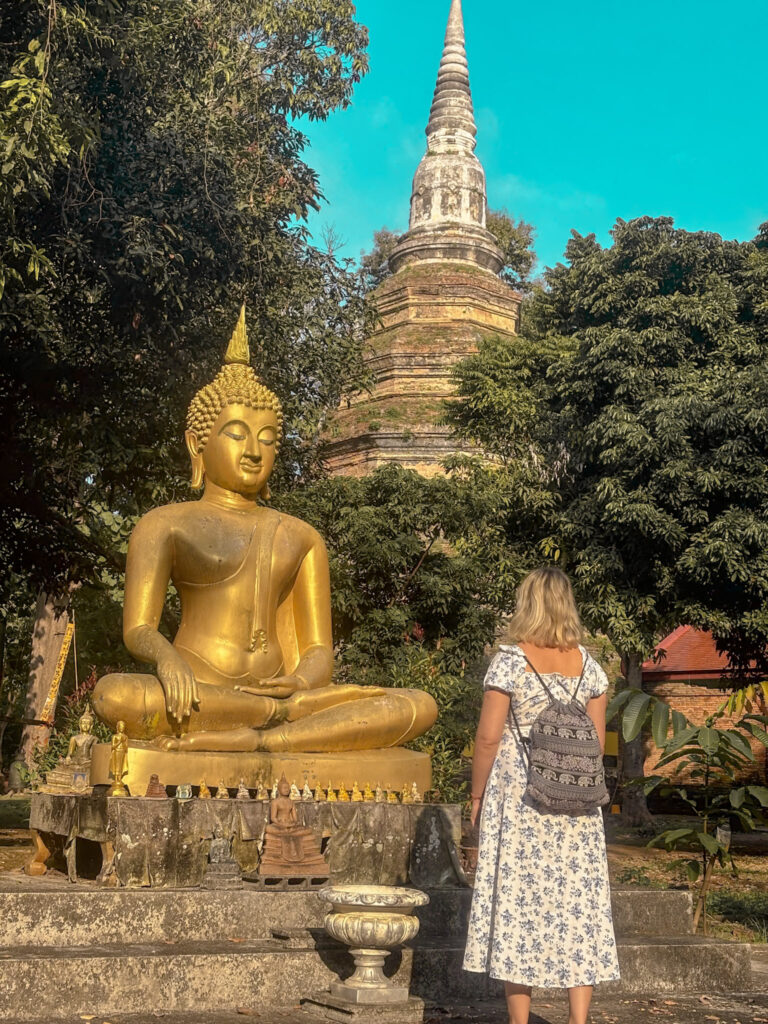
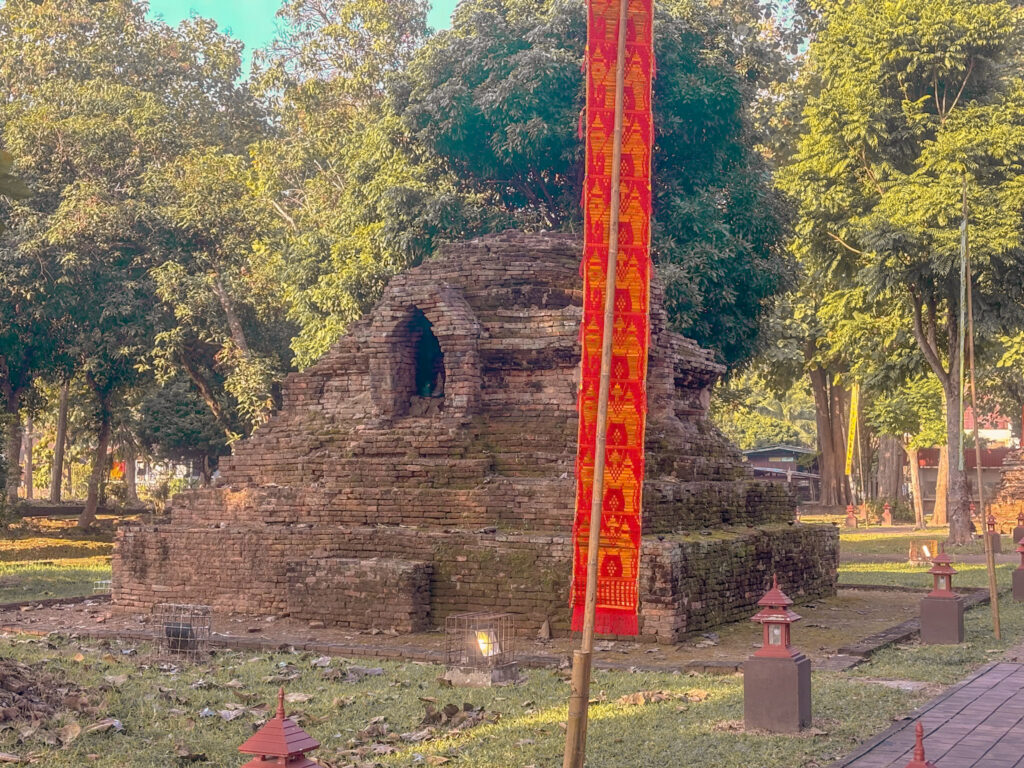
Besides Wat Pa Sak, you can explore other historic sites like the old city walls, ancient stupas, and Buddha images scattered throughout the town, all of which add to Chiang Saen’s charm. If you love history, you’ll appreciate the significance of this once-flourishing kingdom that played a crucial role in shaping northern Thailand’s culture and heritage.
💡 Insider Tips — Chiang Saen
- 🚲 Rent a bicycle to explore the area at a relaxed pace.
- 🚤 If you have extra time, take a boat trip along the Mekong River for an unforgettable experience.
- ☕️ Don’t miss the opportunity to have great coffee in a small shop at the entrance of Wat Pa Sak.
✨ Need to Know — Wat Pa Sak (Chiang Saen)
- ⏰ Open: Daily from 8:00 AM to 5:00 PM. Early mornings are quiet and best for exploring the ruins in soft light.
- 📍 Location: Inside the ancient walled city of Chiang Saen, about 60 km north of Chiang Rai — roughly a 1–1.5 hour drive.
- 💸 Entrance: 50 THB
- 🏯 Highlights: A beautifully preserved 13th-century Lanna-style stupa surrounded by 300 teak trees — the temple’s name, “Pa Sak,” literally means “Teak Forest.”
- 🚗 Getting there: Easily combined with a day trip to the Golden Triangle and House of Opium Museum. Best reached by private driver or rented motorbike.
7. Khun Korn Waterfall – A True Natural Gem
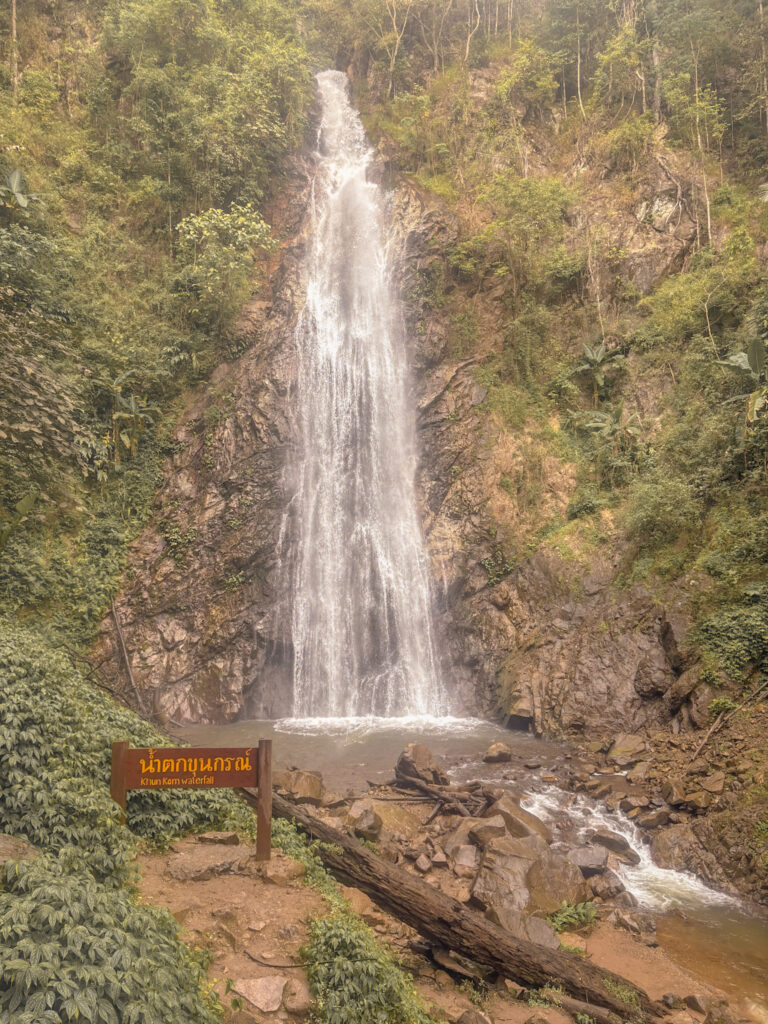
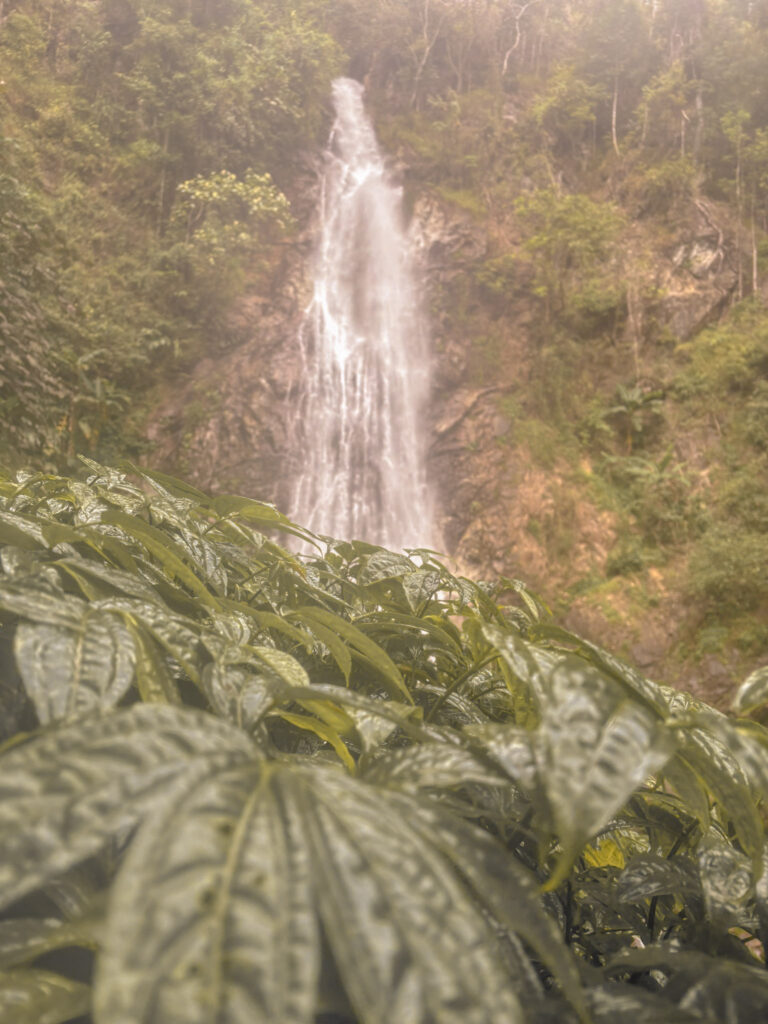
If you’re a nature enthusiast looking to explore one of Chiang Rai’s most stunning waterfalls, Khun Korn Waterfall is a must-visit. Located about 30 kilometers southwest of the city, this magnificent waterfall is the tallest in the province, cascading down a dramatic 70-meter drop into a lush forest setting.
The journey to the waterfall itself is an adventure. After a scenic drive through the countryside, you must embark on a moderate 1.4-kilometer hike through a serene bamboo forest and dense jungle. The trail is well-marked and manageable, offering a refreshing trek with occasional glimpses of wildlife and the soothing sounds of nature all around.
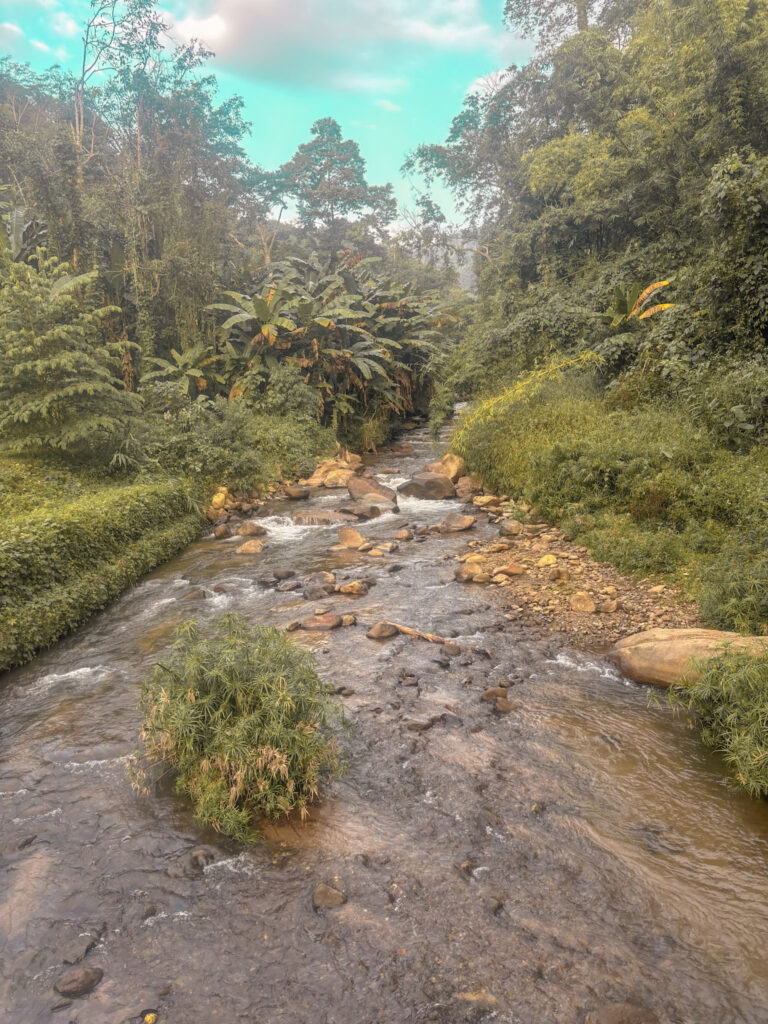
Upon reaching the falls, you’ll be greeted with a breathtaking sight of water plunging into a cool natural pool, perfect for a refreshing dip. The mist from the falls provides a welcome escape from the heat, making it an ideal spot to relax and unwind.
Unlike some of the more tourist-heavy attractions in Chiang Rai, Khun Korn remains relatively uncrowded, allowing visitors to fully immerse themselves in the tranquility of the natural surroundings.
🌿 Book your Khun Korn & Huay Kaew Waterfalls Day Tour — discover the natural beauty of Chiang Rai’s waterfalls on this scenic full-day trip. Hike through lush forest trails to the Huay Kaew and Khun Korn Waterfalls, enjoy a traditional Thai lunch, and visit the impressive Wat Huay Pla Kang Temple with its giant white Buddha overlooking the valley.
💡 Insider Tips — Khun Korn Waterfall
- 🥾 Wear good walking shoes — the jungle trail can be slippery, especially after rain. I’ve done it in sandals once and regretted it halfway up!
- 💧 Bring a water; there are no stalls inside the park and the hike is humid.
- 📸 The best photo spot is from the wooden platform — you’ll capture the full 70-meter drop framed by forest.
- 🕊️ Start early; mornings are peaceful, and you might spot butterflies and birds along the trail before the midday visitors arrive.
The best time to visit is during the cooler months from November to February, when the weather is pleasant, and the hike is more comfortable.
Avoid visiting during the dry season (March to May) when water levels may be lower or during heavy rains (June to October), which can make the trail slippery.
✨ Need to Know — Khun Korn Waterfall
- ⏰ Open: Daily from 8:00 AM to 5:00 PM. The park gate closes in the evening — visit before 4 PM to allow time for the hike.
- 📍 Location: Inside the Khun Korn Forest Park, about 30 km southwest of Chiang Rai city — roughly a 40-minute drive.
- 💸 Entrance: Free. There’s a small parking area near the ranger station where the trail begins.
- 🥾 Hike: The waterfall is reached via a 1.4 km forest trail (about 30–40 minutes each way) through lush bamboo groves and jungle.
- 🚗 Getting there: Best accessed by scooter, Grab, or private driver. Combine with nearby Wat Huay Pla Kang Temple for a nature and culture day trip.
8. Tham Luang Cave – A Site of Heroism and Exploration
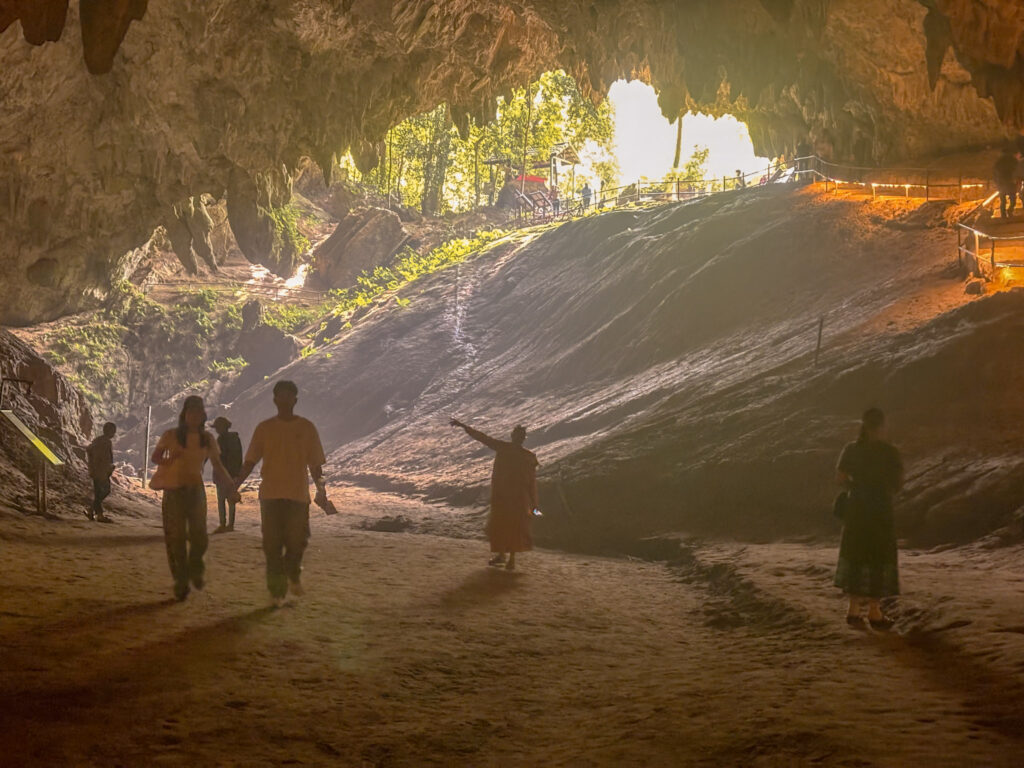
Tham Luang Cave, located in the Tham Luang-Khun Nam Nang Non Forest Park, is one of Chiang Rai’s most intriguing and historically significant sites. This vast cave system, extending more than 10 kilometers, came to international attention in 2018, when a youth soccer team and their coach were trapped inside following unexpected flooding.
The gripping rescue operation captivated people around the world, with expert divers and volunteers from multiple countries coming together to save the boys.
Today, visitors can explore the entrance of the cave, where informative displays and a dedicated museum recount the dramatic events of the rescue, but deeper sections remain closed. The best time to visit is during the dry season (November to May) to avoid flooding risks. During the rainy season cave can sometimes be closed due to safety reasons.
💡 Insider Tips — Tham Luang Cave
- 🕊️ Arrive in the morning to enjoy cooler air and fewer visitors; tour groups tend to arrive after 11 AM.
- 🎧 Spend time in the small visitor museum — it’s surprisingly well-curated and gives powerful context to the 2018 rescue.
- 🙏 Don’t miss the statue of Saman Kunan, the Thai Navy SEAL who lost his life during the mission — it’s a moment of reflection many travelers overlook.
- 📸 The limestone cliffs around the park make a beautiful backdrop for photography.
- 🥾 Wear comfortable shoes and bring water; the paths around the cave and forest park can be uneven.
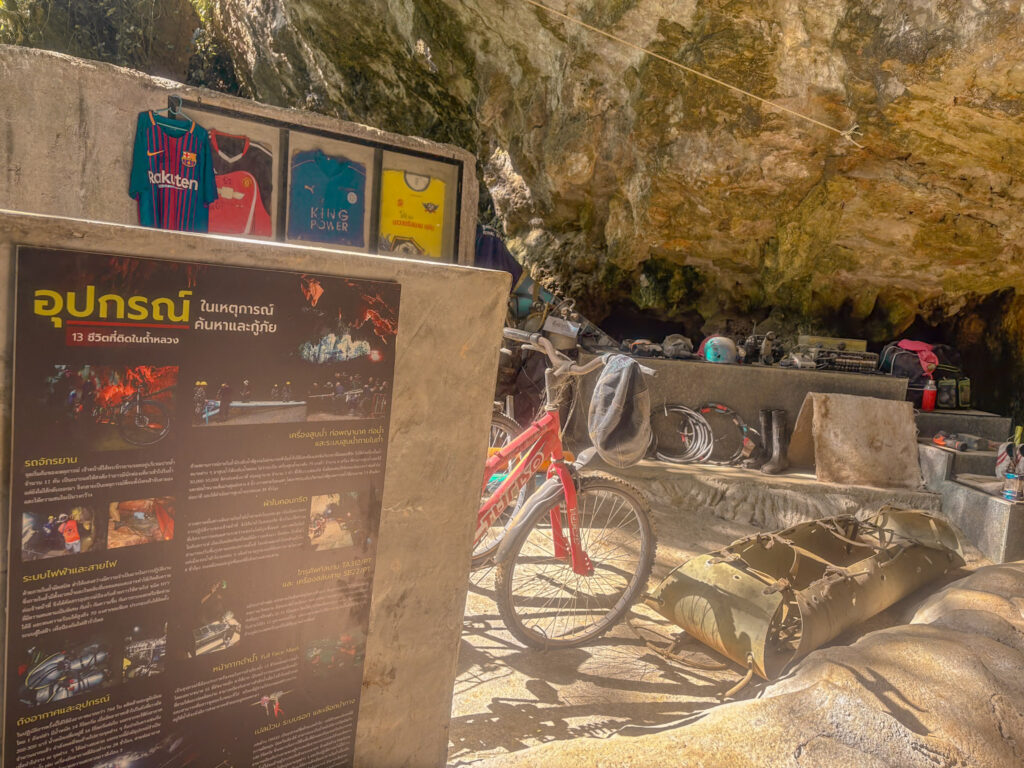
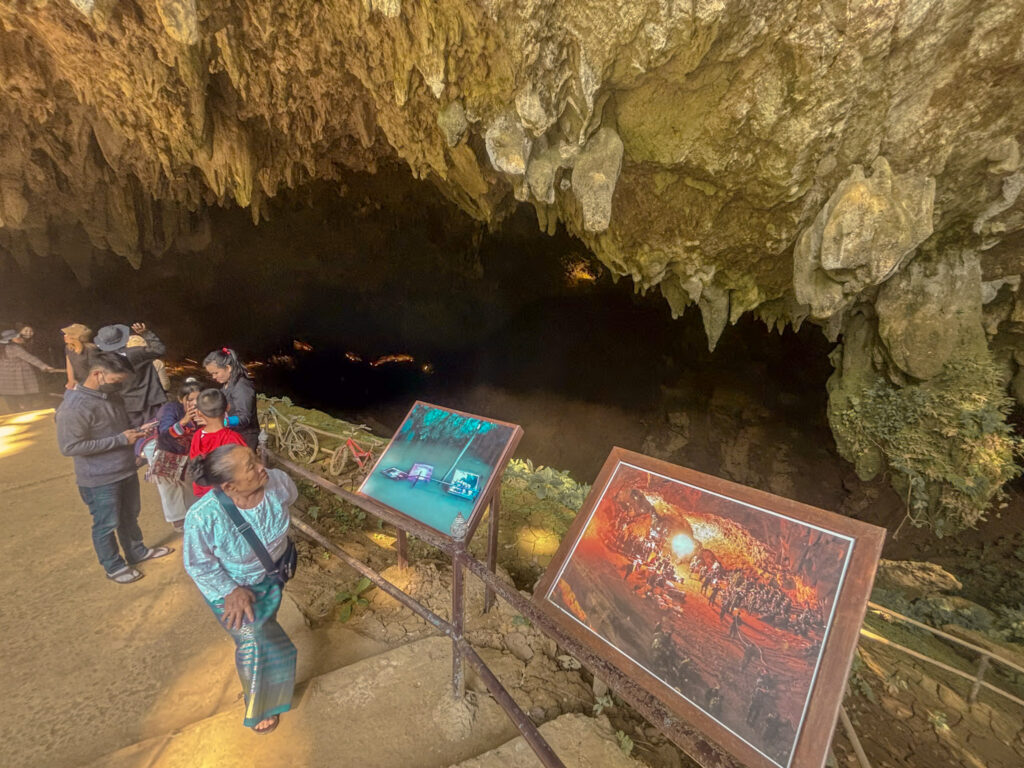
A life-sized bronze statue of former Thai Navy SEAL Saman Kunan, who lost his life during the mission, stands as a tribute to the bravery and teamwork that defined the operation.
Beyond its historical significance, the surrounding forest park is a haven for nature lovers, featuring limestone cliffs, lush greenery, and scenic trails.
✨ Need to Know — Tham Luang Cave
- ⏰ Open: Daily from 8:30 AM to 4:30 PM. The museum and park gates close in the late afternoon.
- 📍 Location: Within the Tham Luang – Khun Nam Nang Non Forest Park, around 65 km north of Chiang Rai city — about a 1.5-hour drive.
- 💸 Entrance: Free to enter the park and cave grounds; donations are welcomed for park upkeep.
- 🏞️ Highlights: The cave entrance, rescue memorials, and a small museum documenting the 2018 rescue operation and geology of the area.
- 🚗 Getting there: Best reached by private driver or motorbike. Combine it with Mae Sai or the Golden Triangle for a full-day northern route.
Best Places to Stay in Chiang Rai
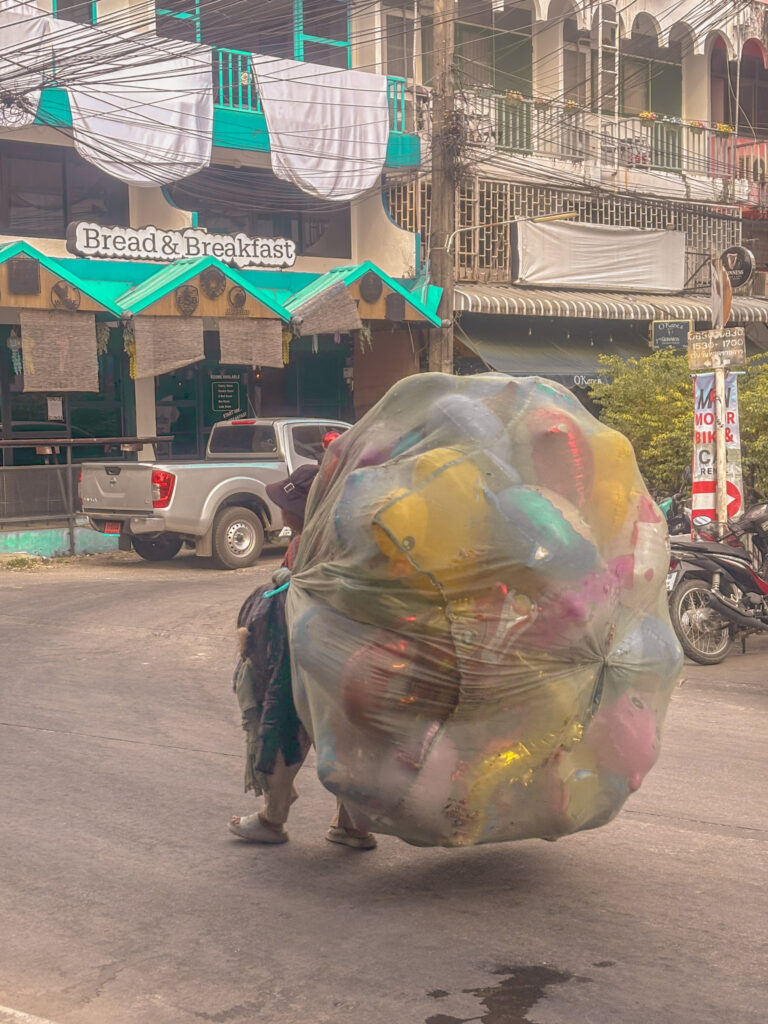
Chiang Rai offers a variety of accommodation options, from budget-friendly hostels to luxurious resorts. Whether you’re a backpacker looking for a cozy dorm or a traveler seeking an indulgent retreat, there’s something for everyone.
Find the best places to stay in Chiang Rai on this interactive map:
Personal Recommendations for staying in Chiang Rai
Here are my personal recommendations for where to stay in Chiang Rai — handpicked places that combine local charm, comfort, and easy access to the city’s main attractions.
Budget Stay
- Stay in Chiangrai Hostel – Perfect for budget travelers, offering clean dorms and a great social atmosphere. The central location makes it easy to explore the city. If you’re looking to meet fellow travelers, this is a great choice, as it has communal spaces designed for interaction and cultural exchange.
- Baan Norn Plearn – A charming guesthouse set in a beautifully restored wooden home, providing a cozy and affordable stay. With its warm hospitality and traditional Lanna-style decor, it’s a great place to experience authentic northern Thai culture without stretching your budget.
Mid-Range
- Wangcome Hotel – A perfectly located hotel offering comfortable rooms, a swimming pool, and easy access to major attractions. It’s a great option for travelers who want convenience and good value for money while staying in the heart of Chiang Rai.
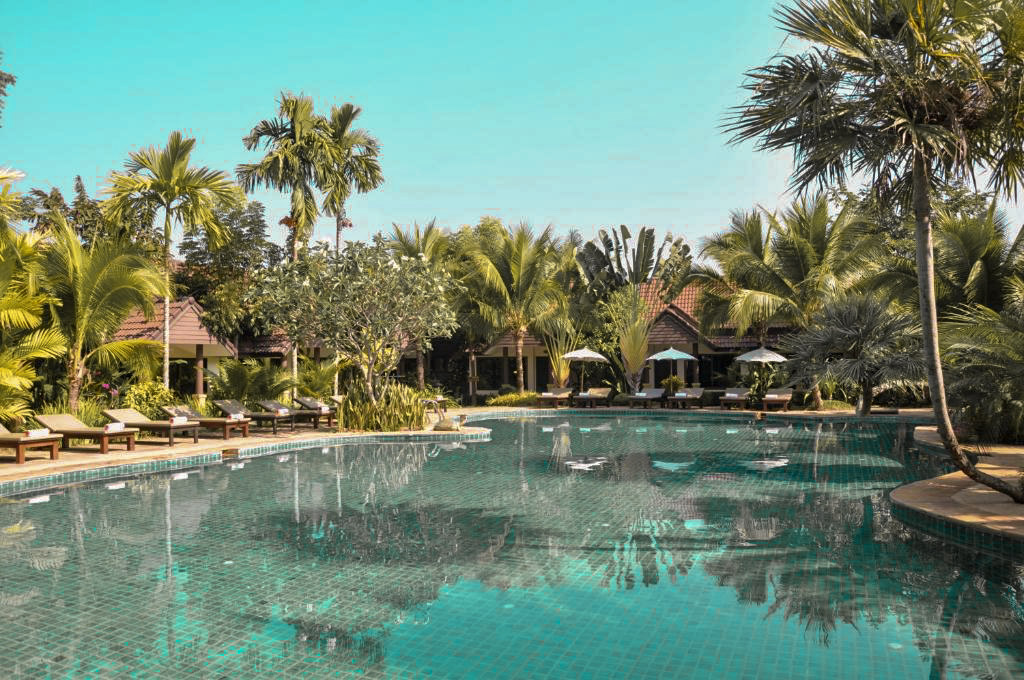
- Laluna Hotel & Resort – This peaceful retreat is set in a tropical garden, featuring a swimming pool and comfortable bungalows. A great choice for those who want a relaxing stay without breaking the bank. The lush greenery surrounding the property gives it a serene and tranquil vibe, making it perfect for unwinding after a day of sightseeing.
- Nak Nakara Hotel – Located close to the city center, this boutique hotel combines modern comforts with traditional Lanna-style design. It’s an excellent choice for travelers looking for a blend of cultural aesthetics and contemporary convenience, offering great amenities, including a pool and a welcoming atmosphere.

Luxury
- Le Meridien Chiang Rai – One of the best luxury hotels in Chiang Rai, offering riverside views, an infinity pool, and high-end amenities. A perfect spot for those looking for a tranquil and indulgent stay. With beautifully designed rooms and world-class service, it’s a haven for luxury seekers wanting a slice of paradise in northern Thailand.
- The Riverie by Katathani – This stunning resort sits along the Kok River, featuring elegant rooms, lush gardens, and top-tier dining options. The combination of natural beauty and five-star facilities makes it an excellent choice for honeymooners, families, or anyone looking for a truly lavish experience.
Food & Cafés to Try in Chiang Rai
Chiang Rai’s food scene is a delicious reflection of Northern Thailand — comforting, aromatic, and full of character. From steaming bowls of khao soi to freshly brewed local coffee, every meal here feels personal and rooted in tradition.
Whether you’re sampling street food at the night bazaar or relaxing in one of the city’s creative cafés, Chiang Rai invites you to slow down and savor its flavors.
Must-Try Local Dishes
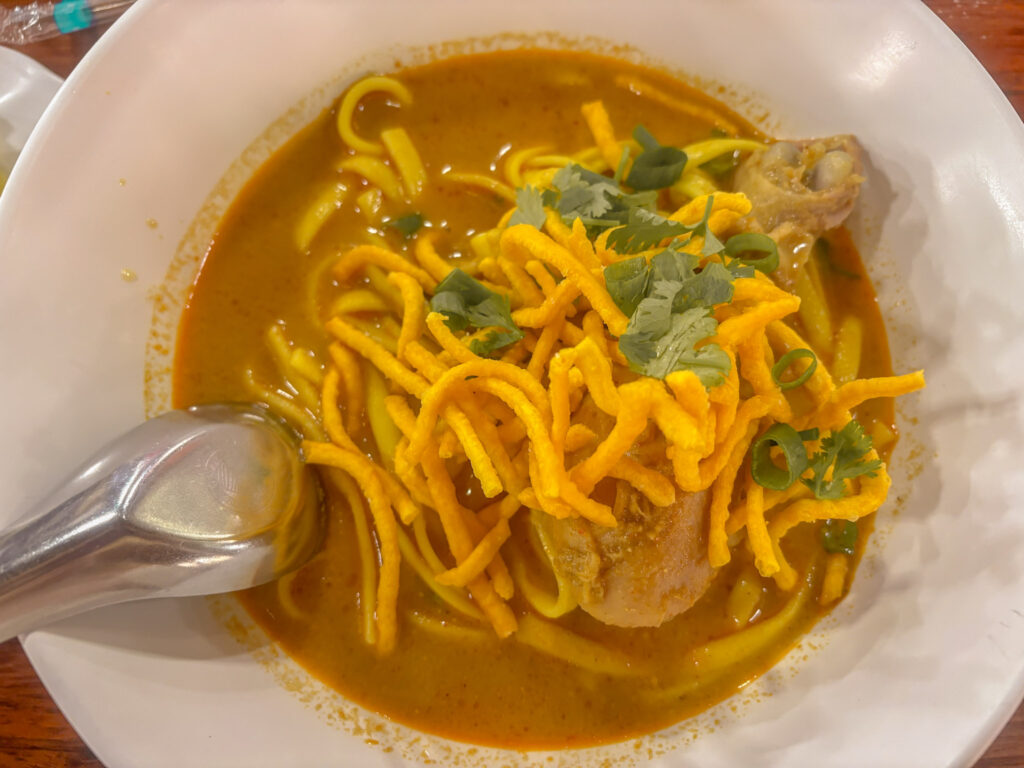
Chiang Rai’s food scene is deeply rooted in northern Thai cuisine, offering a mix of bold flavors, fragrant spices, and comforting dishes.
One of the most iconic dishes is Khao Soi, a rich and creamy coconut curry noodle soup topped with crispy fried noodles. The combination of textures and flavors in Khao Soi makes it a must-try for visitors.
Another northern Thai specialty is Sai Ua, a flavorful sausage made with a blend of minced pork, lemongrass, kaffir lime leaves, and chili paste. The result is an intensely aromatic and deliciously spicy dish.
If you’re feeling adventurous, try Nam Ngiao, a hearty, spicy tomato-based noodle soup unique to the region. Street food stalls and night markets are the best places to sample these delicious local specialties at affordable prices.
💡 Insider Tips — Chiang Rai Street Food
- 🍜 The best khao soi is often found at small mom-and-pop stalls near the old bus station — look for spots filled with locals.
- 🌶️ Ask for “phet nit noi” (a little spicy) if you’re not used to Thai heat; northern curries can surprise you.
- 🥢 Most food stalls open for dinner around 5 PM; daytime markets focus on noodles and coffee instead.
- 💧 Always choose stalls where the food is freshly cooked and busy — it’s the best sign of quality and hygiene.
- 🍹 Pair spicy dishes with fresh coconut water or a lime soda to cool down and balance flavors.
Having tried these dishes across Chiang Rai’s markets and small family-run stalls, I’ve learned that no two bowls of khao soi taste the same — some richer, some spicier, all comforting in their own way. The city’s food scene rewards curiosity: the smaller and simpler the stall looks, the better the flavors often are.
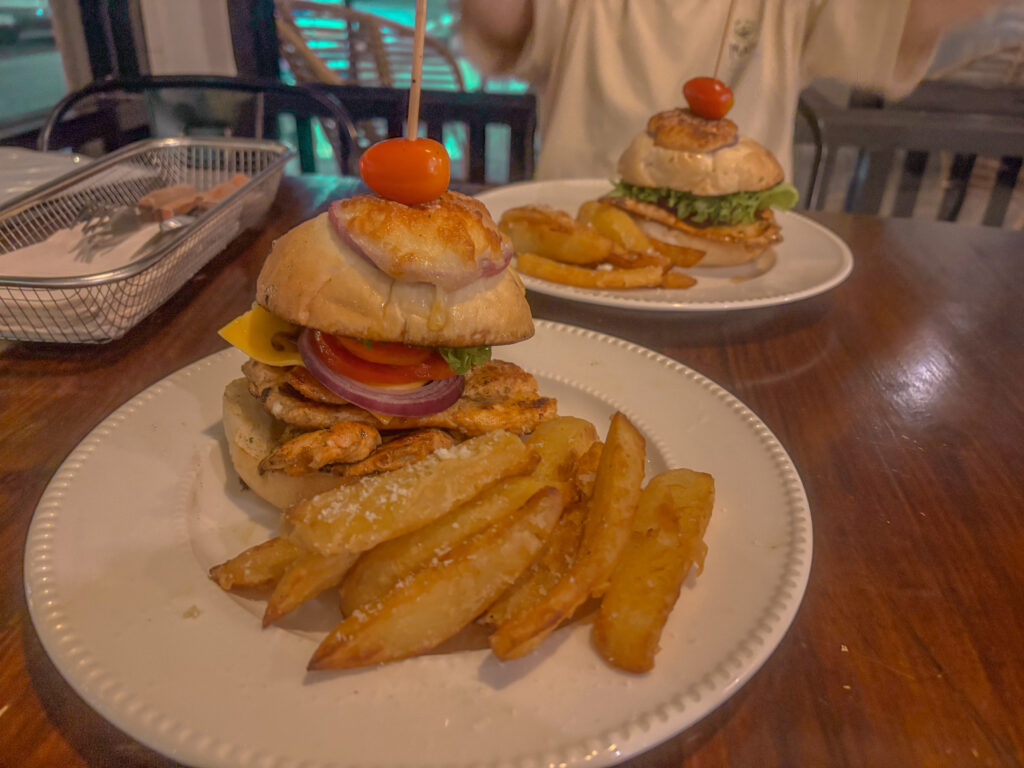
If you’re craving a break from Thai cuisine, Heaven Burger is the go-to spot. Tucked just a few minutes from the Clock Tower, this small but well-loved burger joint has earned a loyal following among locals, expats, and travelers alike.
The menu focuses on quality over quantity — using freshly baked brioche buns, locally sourced beef, and homemade sauces that set it apart from standard tourist eateries.
Whether you go for a classic cheeseburger or try something more creative, every bite is juicy, flavorful, and made to order. Pair it with crispy fries or one of their thick milkshakes for a satisfying comfort-food fix.
I’ve eaten here a few times after long days of temple-hopping, and it always hits the spot — the perfect balance of Western comfort and Chiang Rai’s relaxed charm.
✨ Need to Know — Chiang Rai Street Food
- 💸 Average price: Most local dishes cost between 60–120 THB (about $1–2 USD); night market meals slightly more with drinks included.
- ⏰ Best time to eat: Around 5:00–9:00 PM when food stalls are busiest and everything is freshly prepared.
- 🥦 Vegetarian options: Limited but available — try khao soi jay (vegetarian curry noodles) or pad Thai with tofu; ask for “mai sai nuea” (no meat).
- 💧 Hygiene tip: Choose busy stalls with high turnover and food cooked to order. Avoid pre-cooked dishes sitting uncovered in the sun.
- 🍽️ Local etiquette: It’s polite to bus your dishes or stack them neatly after eating — a small gesture appreciated by stall owners.
Best Cafés in Chiang Rai
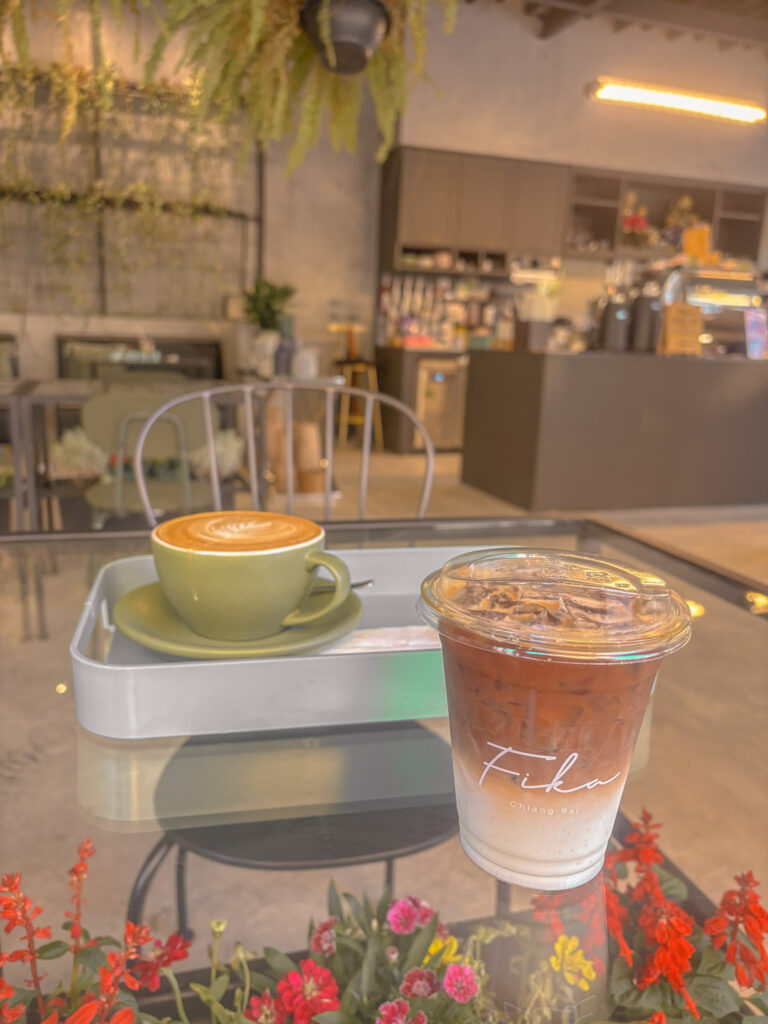
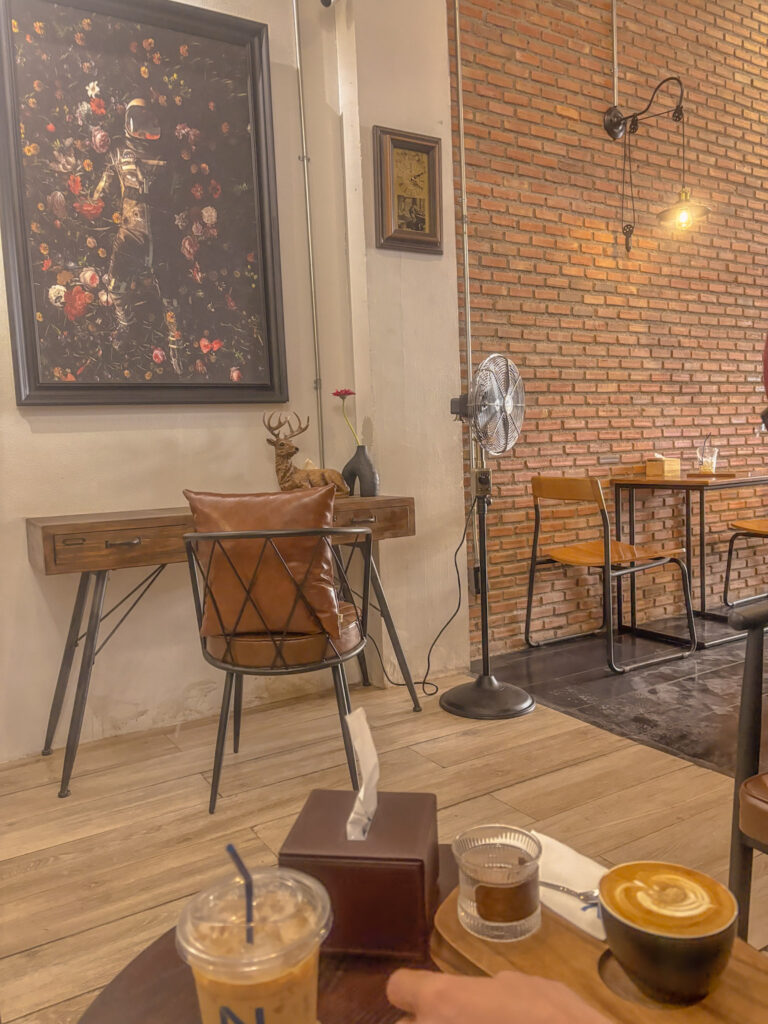
Looking for the best cafés in Chiang Rai? The city has a thriving coffee culture, with stylish spots serving locally grown beans and beautifully crafted drinks — perfect for digital nomads, coffee lovers, and anyone chasing that slow-travel vibe.
☕️ If you’re a coffee lover, there’s one place that stands above the rest: EnRoute Coffee. This café is widely considered to serve the best coffee in Chiang Rai — if not all of Thailand.
Their expertly brewed coffee, sourced from the finest local beans, is a treat for the senses. Whether you prefer a simple espresso or an elaborate pour-over, EnRoute Coffee is the ultimate destination for coffee connoisseurs.
☕️ Another excellent café worth visiting is Fika Coffee, a Scandinavian-style coffee shop that serves delightful pastries and expertly crafted drinks in a cozy and inviting setting.
As someone who works and writes on the road, Chiang Rai’s café culture has become one of my favorite parts of the city. From quiet corners perfect for editing photos to airy patios with views of lush greenery, these cafés capture the creative, unhurried spirit of Northern Thailand.
Both EnRoute and Fika Coffee feel like community hubs — places where travelers, locals, and digital nomads mingle over genuinely great brews.
💡 Insider Tips — Chiang Rai Cafés
- ☕ EnRoute Coffee is busiest mid-morning (9–11 AM); come early if you want a quiet corner for remote work.
- 💻 Both EnRoute and Fika Coffee have strong Wi-Fi and plenty of plug sockets — ideal for digital nomads.
- 🌿 Try EnRoute’s cold brew or single-origin pour-over using beans from the Doi Chaang region — rich, smooth, and locally grown.
- 🥐 Fika’s cinnamon rolls and almond croissants are baked fresh every morning — they often sell out before noon.
- 📸 Both cafés have bright, minimal interiors that photograph beautifully — perfect for lifestyle or travel shots.
Best Night Markets in Chiang Rai
Chiang Rai Night Bazaar


The Chiang Rai Night Bazaar is the beating heart of the city after sunset — a lively mix of sizzling woks, colorful crafts, and the soft hum of live music drifting through the air. It’s the perfect spot to taste authentic Northern Thai food, shop for handmade souvenirs, and soak in Chiang Rai’s laid-back nightlife.
Located just a few steps from the Clock Tower and the central bus station, the bazaar opens daily from around 5:00 PM until 10:00 PM. The earlier hours are best if you want to browse calmly and find a seat before the dinner rush, while later in the evening the market fills with both locals and travelers enjoying street performances and traditional music.
💡 Insider Tips — Chiang Rai Night Bazaar
- 🥥 Don’t miss the coconut pancakes and fresh fruit smoothies — local favorites you’ll crave again.
- 📸 For calm browsing and golden-hour photos, arrive before 6:00 PM as stalls start to open.
- 👟 Wear comfortable shoes — the ground can be uneven, but the market is well lit and safe for evening strolls.
You’ll find everything from grilled meats, papaya salad, sticky rice, and khao soi, to colorful hill-tribe textiles, silver jewelry, and bamboo crafts — all at affordable prices. There are two main food courts: one for local dishes and another for larger sit-down meals accompanied by live acoustic sets.
✨ Need to Know
- 🕔 Open: Daily from around 5:00 PM to 10:00 PM.
- 📍 Location: Between Phahonyothin Road and the old bus station, just a short walk from the Chiang Rai Clock Tower.
- 💸 Entrance: Free; bring small cash for food stalls, souvenirs, and drinks.
- 🚶♀️ Getting there: Easily walkable from most city-center hotels. If you’re staying farther out, hop in a Grab or local tuk-tuk — most drivers know the Night Bazaar well.
Saturday Walking Street Market


If you’re in Chiang Rai over the weekend, make sure to plan your evening around Saturday Walking Street — the city’s most atmospheric market. Set along Thanalai Road in the heart of town, this vibrant open-air market transforms every Saturday night into a festival of color, scent, and sound.
You’ll find handmade crafts, hill-tribe textiles, bamboo souvenirs, local art, and endless food stalls serving up regional favorites. The air fills with the aroma of grilled meats, sizzling woks, and sweet coconut pancakes, while street performers and local musicians give the night a warm, community feel.
Unlike the Night Bazaar, which runs daily, Saturday Walking Street is more about local life — it’s where Chiang Rai’s residents come out to shop, eat, and meet friends. The pace is relaxed, the atmosphere friendly, and the prices refreshingly local.
💡 Insider Tips — Saturday Walking Street
- 🌅 Arrive around 5:30 PM for the best light and fewer crowds — it fills up quickly after 7:00 PM.
- 🥢 Start at the **southern end of Thanalai Road** for the best food section before heading toward the craft stalls.
- 🎵 Don’t miss the small stage area near the middle — there’s usually live folk music or a local dance performance.
- 👜 Bring a foldable tote bag if you plan to shop — it helps cut down on plastic use and supports Chiang Rai’s eco-friendly vibe.
- 📸 The warm lighting here is perfect for night photography — a 50mm or phone night mode captures the atmosphere beautifully.
If you’re a foodie, this is the place to graze your way through Northern Thai street snacks: sticky rice with mango, khanom krok (coconut pancakes), sai ua sausage, and khao lam — sticky rice grilled in bamboo tubes. For souvenirs, look out for handwoven scarves, herbal balms, and organic teas from nearby farms.
The market stretches for several blocks, and though it can get crowded around 7:00 PM, the mood stays easygoing and family-friendly. The lighting is warm, making it a great place for casual photography — especially if you love capturing daily life scenes.
I always enjoy stopping at one of the street-side massage areas for a quick foot massage, sipping a fresh juice, and watching locals dance to live music in the central square — a small but genuine slice of Chiang Rai culture you don’t often find elsewhere.
✨ Need to Know
- 🕔 Open: Every Saturday evening from around 5:00 PM to 10:30 PM.
- 📍 Location: Thanalai Road, in the city center — about a 5–10 minute walk from the Clock Tower and Night Bazaar area.
- 💸 Entrance: Free; bring small cash for food and crafts.
- 🚶♀️ Getting there: Easy to walk from most central hotels; tuk-tuks and Grab rides are available if you’re staying farther out.
Travel Tips for Visiting Chiang Rai
1. What to Pack for Chiang Rai
Having traveled across Northern Thailand in every season, I’ve learned that what you pack for Chiang Rai can completely shape your comfort. The city’s climate shifts with the seasons — from cool mornings to tropical afternoons — so layering is key.
☁️ If you’re visiting between November and February, mornings and evenings can feel surprisingly chilly, especially outside the city. A light jacket or sweater makes temple visits and night markets much more comfortable.
☀️ During the hot season (March to May), breathable, lightweight clothing is essential, along with sunscreen, sunglasses, and a wide-brimmed hat to handle Chiang Rai’s midday sun. This is also the season when a reusable water bottle and cooling towel make a huge difference while exploring temples or cycling around town.
🌧️ The rainy season (June to October) turns the countryside lush and green — but showers come quickly. A compact umbrella or light raincoat will keep you dry during sudden downpours, and water-resistant shoes or sandals help on muddy paths. I always carry a small dry bag for my camera and electronics when visiting waterfalls or riding a scooter.
💡 Insider Tips — Packing for Chiang Rai
- 🧣 Bring a light scarf or sarong for temples or cool evenings.
- 🧴 Insect repellent and a small first aid kit come in handy outside town.
- 📸 Use moisture-proof pouches for cameras during humid months.
- 💧 Keep a refillable bottle — many cafés and hotels offer filtered water refills.
No matter when you visit, comfortable walking shoes are a must for exploring temples, night markets, and scenic trails. Chiang Rai rewards slow travelers who pack light but smart — prioritizing comfort, versatility, and respect for the local culture.
✨ Need to Know
- 🎒 Pack light layers — mornings and evenings can be cool even in dry season.
- 🌧️ Bring a compact umbrella or light rain jacket from June–October.
- 👟 Choose comfortable >strong>shoes easy to remove for temple visits.
- ☀️ Sunscreen, sunglasses, and a hat are essential in the hot season.
2. Getting to & Around Chiang Rai
Getting to Chiang Rai is easier than most travelers think — it’s well connected by air, road, and bus to all major cities in Thailand.
How to get to Chiang Rai
By Air:
Chiang Rai International Airport (Mae Fah Luang – CEI) is located just 8 km from the city center. There are daily direct flights from Bangkok, Phuket, and Chiang Mai, as well as limited routes from Singapore and Kuala Lumpur.
You can search and compare flights easily via Skyscanner — the fastest way to find the best fares into Chiang Rai or nearby Chiang Mai.
By Bus:
If you’re traveling from Chiang Mai, the most scenic and affordable option is a GreenBus Thailand coach, taking around 3–3.5 hours along Highway 118.
You can pre-book reliable bus tickets through 12Go Asia — it’s the most trusted platform in Thailand for online transport reservations.
By Car:
For full flexibility, consider renting a car or hiring a private driver, especially if you plan to explore rural attractions like the Golden Triangle, Chiang Saen, or Khun Korn Waterfall. The roads are well-paved, and the drive offers mountain views, local villages, and several scenic rest stops.
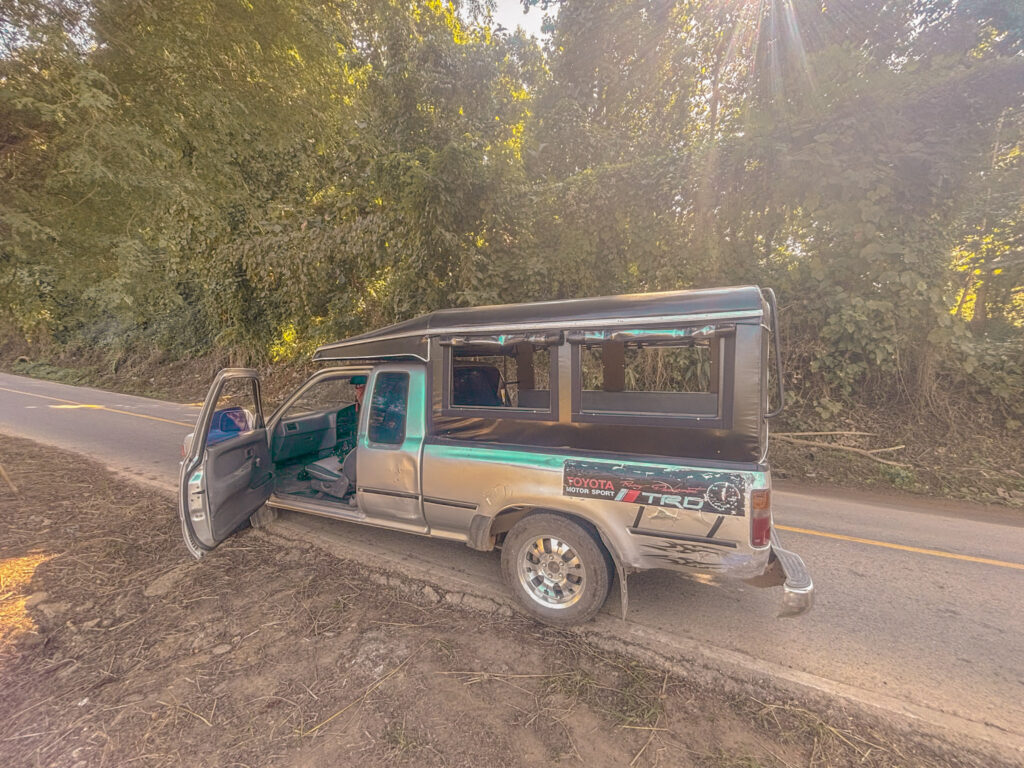
How to get around Chiang Rai
Once in Chiang Rai, getting around is simple – the compact city layout makes it easy to explore without hassle.
Getting around Chiang Rai is straightforward and affordable, with plenty of options depending on how independently you want to travel.
The easiest and most comfortable way to move between sights is by using Grab Taxi, the local ride-hailing app similar to Uber. It’s safe, inexpensive, and especially convenient if you’re staying near the city center or visiting nearby temples like the Blue Temple or Wat Huay Pla Kang.
For travelers who enjoy flexibility, renting a motorbike is one of the best ways to explore Chiang Rai at your own pace. The roads are generally calm and scenic once you’re outside the city, winding through rice fields and small villages. Just make sure to carry an international driver’s permit, wear a helmet, and keep an eye out for sudden rain during the monsoon months.
🌸 Book a Private Driver in Chiang Rai — explore at your own pace with a local guide, create a custom itinerary, and visit the White Temple, Blue Temple, and Golden Triangle all in one day.
If you’re planning day trips to farther destinations like the Golden Triangle, Chiang Saen, or the Black House, hiring a private driver can be a stress-free and time-efficient option. It allows you to build your own custom route — stopping for coffee, viewpoints, or hidden local temples along the way — without having to worry about directions or parking.
Having explored the region both by motorbike and with local drivers, I’ve found that a full-day car tour with a local guide offers the perfect mix of comfort, local knowledge, and photo stops you’d easily miss otherwise.
3. Cultural Etiquette and Respect for Local Traditions
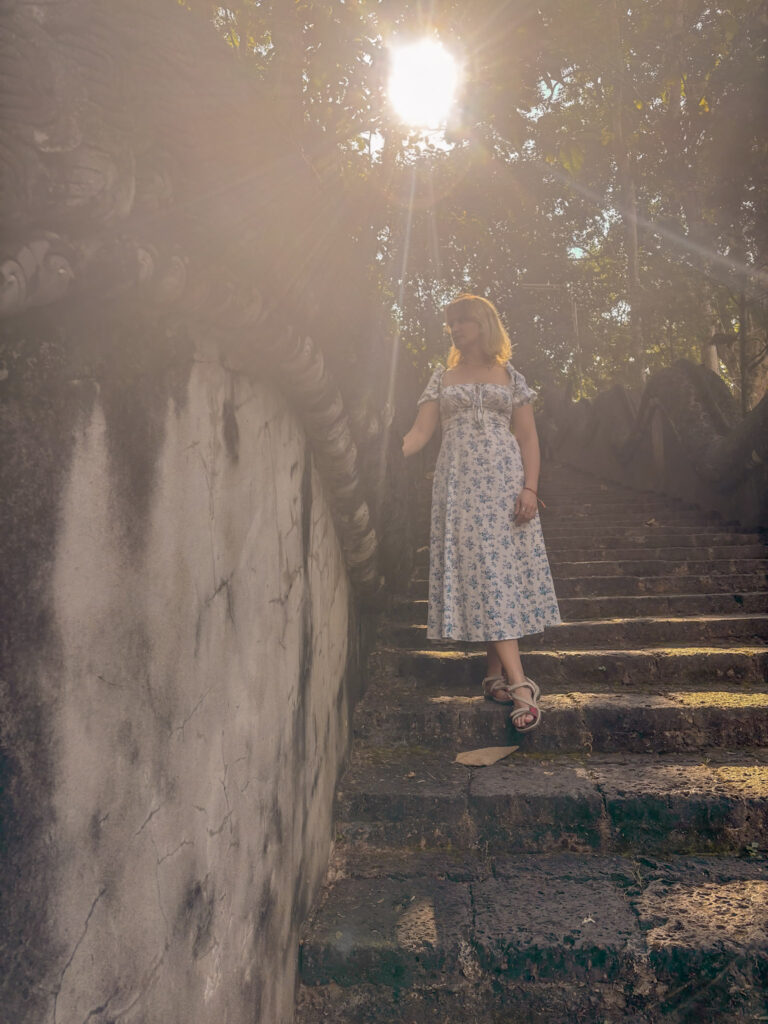
Thailand’s culture is built on deep-rooted traditions, respect, and gentle manners — and Chiang Rai, with its slower rhythm and strong Lanna heritage, is no exception.
When visiting temples, always dress modestly by covering your shoulders and knees, and remove your shoes before entering any shrine or building. Light, loose clothing works best for both comfort and respect in the tropical climate.
Interactions with monks follow special etiquette: avoid physical contact, especially if you’re a woman, and never sit or stand higher than a monk during ceremonies. If you want to offer alms or speak with them, do so calmly and respectfully — the quiet atmosphere of Chiang Rai’s temples reflects that spirit.
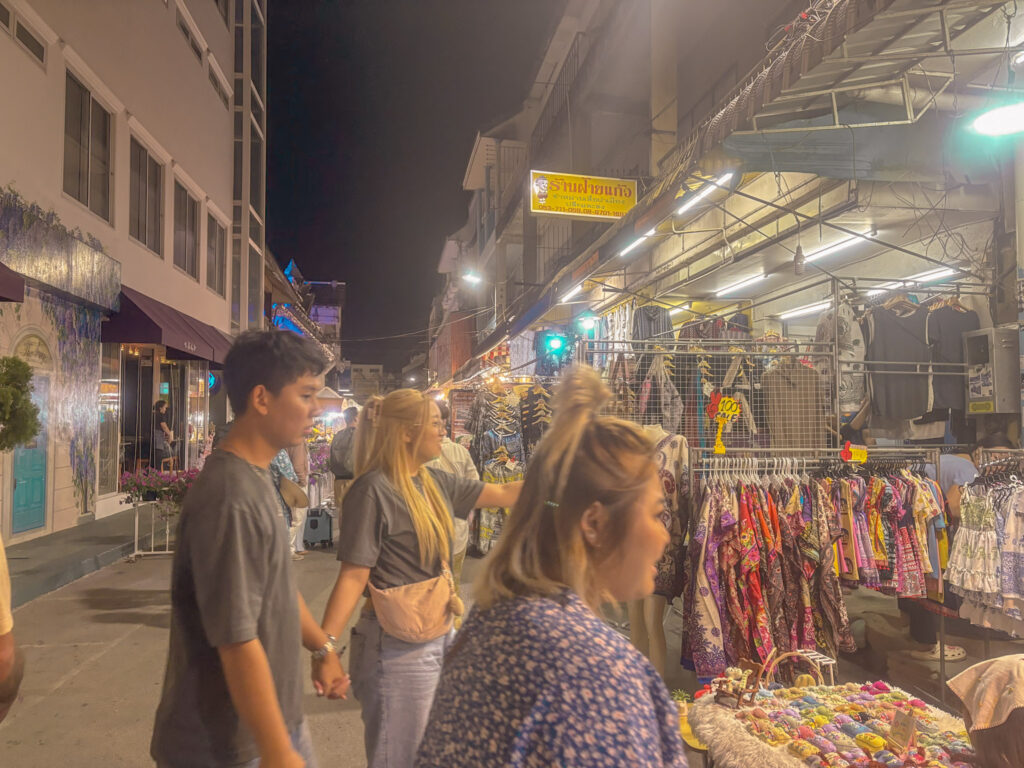
Greeting locals with a wai — palms pressed together and a slight bow — is a beautiful way to show warmth and respect. It’s not required everywhere, but it’s always appreciated. When shopping at markets or taking local tours, bargain politely and with a smile; negotiation in Thailand is seen as friendly conversation, not confrontation.
When shopping at markets, polite bargaining is acceptable, but always do so with a friendly attitude. Being mindful of these cultural norms will not only enhance your travel experience but will also earn you the warm hospitality that Thailand is known for.
💡 Insider Tips — Cultural Awareness in Chiang Rai
- 🪷 In rural temples, you might be invited to join locals for offerings — it’s perfectly fine to watch quietly if you’re unsure what to do.
- ☕ Small gestures of kindness go far: thank vendors with a smile and gentle tone, not volume or speed.
- 🧘♀️ Keep your head lower than Buddha images and monks — it’s a subtle but meaningful sign of respect in Thai culture.
- 🌿 In Chiang Rai’s smaller villages, locals appreciate modest clothing even outside temples — shoulders covered, knees at least half-covered.
- 📷 Always ask before photographing monks or locals, especially during prayer or rituals.
Most importantly, avoid making negative remarks about the Thai Royal Family or religion — such topics are deeply respected and protected under Thai law.
By observing these customs with sincerity, you’ll find that Chiang Rai’s locals return your kindness tenfold — through smiles, laughter, and genuine hospitality that make the North so memorable.
✨ Need to Know — Thai Etiquette Essentials
- 🙏 The wai greeting is used for respect, not just hello — especially when meeting elders or monks.
- 👣 Feet are considered unclean — don’t point them at people, statues, or sacred objects.
- 🧢 Remove hats and sunglasses when entering temples or speaking to monks.
- 🎭 Avoid public displays of affection; they’re frowned upon in traditional communities.
- 💬 Criticism of the Royal Family or Buddhism is strictly prohibited — stay respectful and neutral in all conversations.
Chiang Rai vs. Chiang Mai – Which One to Pick?
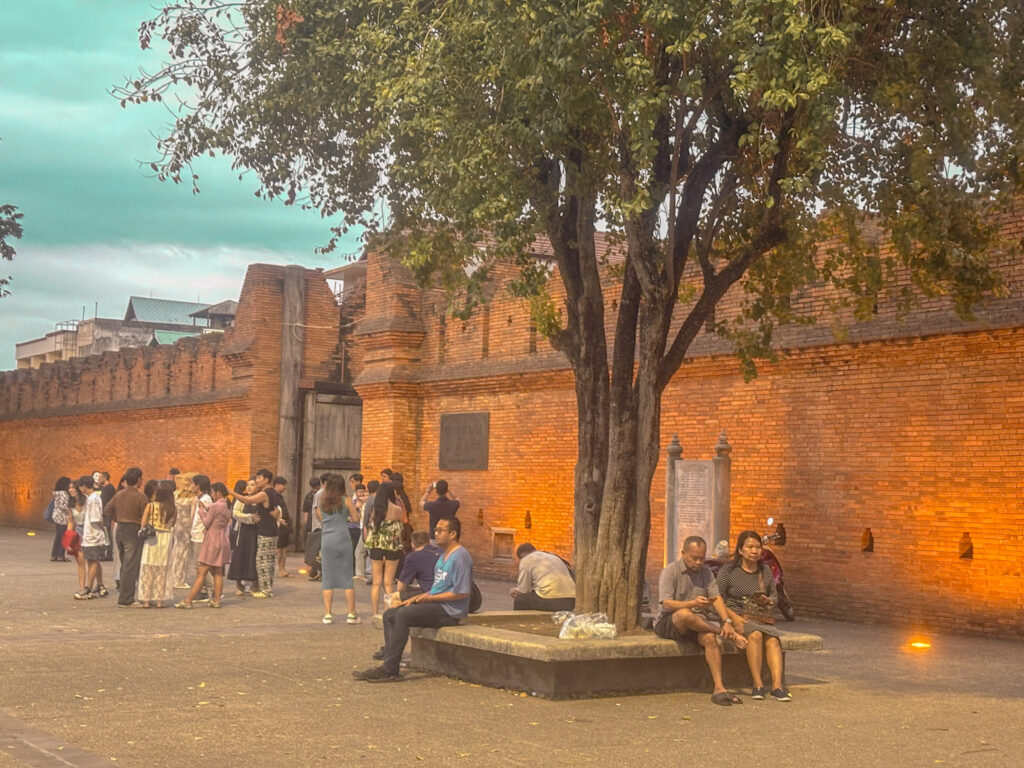
If you’re torn between Chiang Rai and Chiang Mai, you’re not alone — both northern Thai cities have their own rhythm, charm, and reasons to visit.
Having explored both several times, I’d say Chiang Mai is the energetic big sister — full of digital nomads, cafés, and temples on every corner — while Chiang Rai feels more like a quiet artist’s retreat, steeped in culture, creativity, and slow travel moments.
Chiang Mai is ideal for travelers who love a balance of urban comfort and mountain adventures: vibrant markets, street food, yoga studios, and weekend escapes to places like Doi Inthanon or Mae Kampong.
Chiang Rai, on the other hand, invites you to slow down — to wander surreal temples like the White and Blue Temples, sip coffee in art-filled cafés, and take long scenic drives through rice fields to remote hill villages and the Golden Triangle.
Whichever you choose, both cities complement each other perfectly — many travelers visit both on a single northern Thailand trip.
Comparation Table
🌸 Chiang Rai vs. Chiang Mai — Quick Comparison
| Feature | Chiang Rai | Chiang Mai |
|---|---|---|
| Vibe | Laid-back, artistic, and less touristy — perfect for slow travel and cultural immersion. | Bustling, vibrant, and more developed — ideal for cafés, markets, and creative energy. |
| Attractions | White Temple, Blue Temple, Black House, Golden Triangle, scenic mountain drives. | Old City temples, Doi Suthep, waterfalls, elephant sanctuaries, and nature escapes. |
| Food Scene | Authentic Northern Thai dishes and cozy riverside cafés. | Huge variety — from street food to fine dining and vegan cafés. |
| Nightlife | Quiet and relaxed — night bazaars, live music bars, and local markets. | Energetic and social — rooftop bars, clubs, and bustling night markets. |
| Accessibility | Compact city, easy to explore by Grab or scooter. | Larger area with more transport options and direct flights. |
| Best For | Travelers seeking culture, nature, and tranquility. | Visitors who enjoy a lively city vibe and diverse activities. |
✨ Need to Know — Traveling Between Chiang Mai & Chiang Rai
- 🚌 Distance: About 180 km (112 miles) between the two cities — roughly 3–3.5 hours by road.
- 🚐 Getting there: The most convenient option is a private transfer or day tour. Regular buses also run from Chiang Mai Arcade Bus Terminal to Chiang Rai Bus Station every hour.
- 🚗 Self-drive: The scenic Highway 118 route is well-paved and takes you through mountains, local villages, and lush countryside.
- ✈️ Flights: Daily flights connect Chiang Mai and Chiang Rai in just 45 minutes, though road travel offers the more scenic experience.
If you have the time, visit both cities — they’re only a three-hour drive apart and beautifully complement each other.
Chiang Mai inspires you with its energy and creativity; Chiang Rai slows you down with its serenity and soul.
Together, they form the perfect balance for a complete Northern Thailand experience — one buzzing, one peaceful, both unforgettable.
💡 Insider Tips — One-Day Tour or Overnight Stay?
- 🚐 Most travelers visit Chiang Rai on a one-day tour from Chiang Mai — it’s perfect if you’re short on time and want to see the White Temple, Blue Temple, and Black House in one scenic trip.
- 🌅 But if you can, spend at least 2 full days in Chiang Rai — mornings at the temples are peaceful, and evenings at the Clock Tower or Night Bazaar reveal the city’s slower rhythm.
- 🧭 Combine an overnight stay with local coffee spots, Khun Korn Waterfall, or the Golden Triangle for a more complete Northern Thailand experience.
🌸 Book a Chiang Rai Temples Day Tour — see the White Temple, Blue Temple, and Mae Kachan Hot Springs on a full-day trip from Chiang Mai.
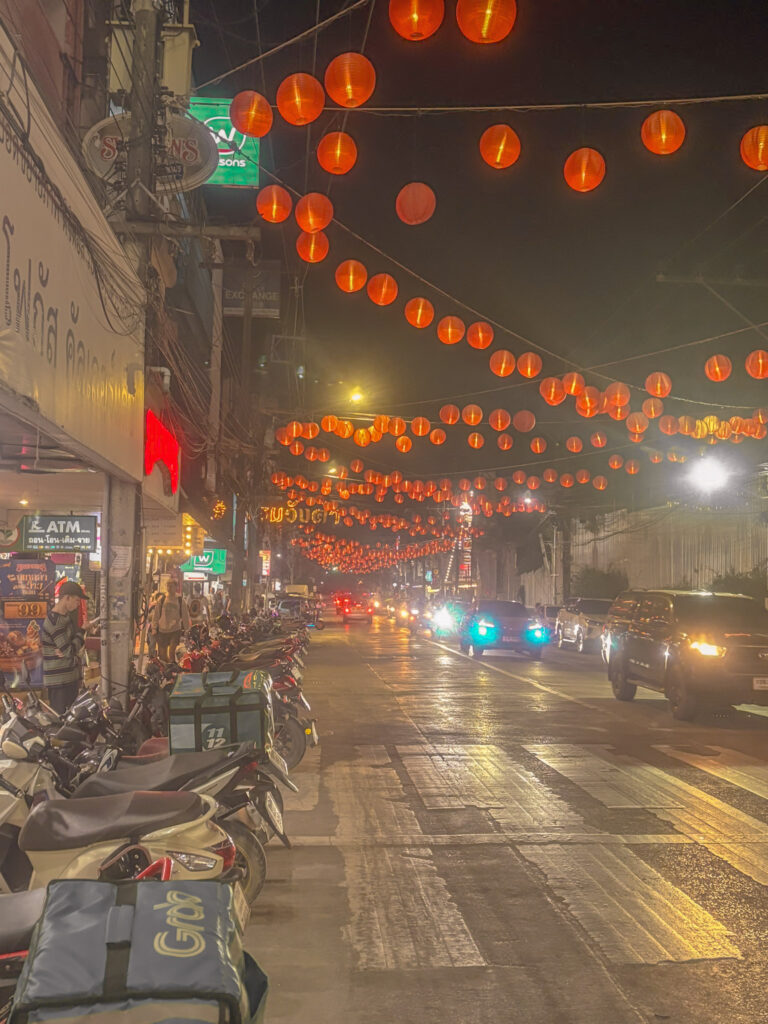
🌸 Final Thoughts — The Magic of Chiang Rai
Chiang Rai may sit quietly in the shadow of Chiang Mai, but for travelers who take the time to look closer, it reveals a deeper and more poetic side of Northern Thailand. This is a city of surreal temples and soft misty mornings — where gold, blue, and white shimmer across rice fields and river valleys.
With its artistic temples, breathtaking landscapes, Lanna-era ruins, and the kind of warm hospitality that defines rural Thailand, Chiang Rai is the perfect destination for travelers seeking culture with calm.
Whether you’re standing before the intricate beauty of the White Temple, sipping slow-brewed coffee in a hidden riverside café, or wandering through the quiet ruins of Chiang Saen, every experience feels intimate and unforgettable.
If you’re planning a trip to Thailand, don’t stop at Chiang Mai — venture further north to uncover the magic of Chiang Rai. It’s the kind of place that lingers with you long after you’ve left, reminding you that sometimes the most meaningful journeys happen off the main trail.
💬 FAQ — Chiang Rai Travel Guide
Most travelers spend 2 to 3 days in Chiang Rai to visit the White Temple, Blue Temple, and Black House, plus an extra day for the Golden Triangle or nearby waterfalls.
If you travel slowly or enjoy café-hopping, stay 4–5 days to explore the countryside, night markets, and local villages at your own pace.
If you are short on time 1-day trip from Chiang Mai will cover most popular places.
Absolutely. Chiang Rai is one of Northern Thailand’s most underrated destinations — smaller, calmer, and more creative than Chiang Mai.
It’s filled with surreal temples, art, and peaceful landscapes — perfect for travelers who prefer authenticity and quiet beauty over big-city crowds.
Chiang Rai lies about 180 km (112 miles) north of Chiang Mai, roughly a 3–3.5-hour drive via Highway 118.
You can travel by bus, car, or join a Chiang Rai Temples Day Tour from Chiang Mai — an easy way to see the White Temple, Blue Temple, and Mae Kachan Hot Springs in one scenic trip.
Chiang Rai is best known for its temples and art — especially the White Temple (Wat Rong Khun), Blue Temple (Wat Rong Suea Ten), and Black House (Baan Dam Museum).
It’s also famous for the Golden Triangle, local coffee culture, and the slower, artistic atmosphere that makes it ideal for creative travelers.
The easiest way to explore is with Grab Taxi or by hiring a private driver for day trips to the Golden Triangle, Chiang Saen, or Khun Korn Waterfall.
If you have an international driver’s permit, renting a motorbike gives you freedom to explore smaller temples and countryside roads.
The best time to visit is during the cool and dry season (November to February) when temperatures range between 15°C and 25°C.
The weather is ideal for sightseeing, photography, and outdoor cafés.
The rainy season (June to October) brings lush greenery and dramatic waterfalls, but expect occasional showers.
📍 Read Next — Plan Your Thailand Adventure
- 🇹🇭 Thailand Travel Guide 2025 — everything you need for your first trip.
- 🏯 Chiang Mai Travel Guide — temples, cafés & old city charm.
- 🎨 Best Temples in Chiang Rai — art, color, and spirituality.
- 🌿 Mae Hong Son Loop Guide — northern mountains & hidden lakes.
- ☕ Pai Travel Guide — slow travel through Thailand’s most scenic valley.
- 🕌 Grand Palace Bangkok Guide — history, etiquette & tips for visiting.
- 🏙️ Bangkok Chinatown Food Guide — street eats & night vibes.
- 🌇 20 Best Things to Do in Bangkok — must-see experiences in the capital + day trip to Ayutthaya.
- 🌾 Ban Rak Thai Village — tea fields & Yunnan culture near Mae Hong Son.
- 🌏 Golden Triangle & Opium Museum — history meets river views.
🌸 Plan Your Chiang Rai Trip
- 🏨 Find your stay in Chiang Rai — explore hotels, boutique stays & riverside guesthouses.
- ✈️ Search flights to Chiang Rai — compare fares easily and find the best routes.
- 🚌 Book buses & transfers across Thailand — safe and simple with trusted operators.
- 🚗 Hire a private driver — explore Chiang Rai’s highlights on a flexible custom route.
- 🎟️ Book Chiang Rai Temples Day Tour — see the White Temple, Blue Temple & Mae Kachan Hot Springs in one day.
✨ These are trusted resources I personally used.


