
Indonesia isn’t just “one country” when it comes to alcohol — it’s a patchwork. On one island, you’re clinking glasses in a rooftop bar over Jakarta’s skyline. On another, a single beer would break local religious law. From the beach clubs of Bali to the Sharia-ruled province of Aceh, drinking alcohol in Indonesia is shaped by culture, religion, and local politics as much as by national law.
If you’ve ever typed “Is alcohol legal in Indonesia?”, “Can tourists drink here?” or “Why does everyone say Bali is different?” — this guide pulls everything together in one place. I’ll walk you through where alcohol is allowed and where it’s banned, how rules change between regions, what tourists actually experience on the ground, current duty-free and purchase rules, prices, local drinks, and how to stay both safe and respectful.

I’ve spent years traveling and writing across Asia — from conservative corners of Muslim-majority regions to Bali’s easygoing bars and island guesthouses. This guide combines first-hand travel experience with up-to-date information so you can navigate drinking alcohol in Indonesia confidently: knowing where a cold beer is totally fine, where you should be discreet, and where you shouldn’t drink at all.
Is Alcohol Legal in Indonesia?

Yes — alcohol is legal in Indonesia, but it’s controlled, restricted in many regions, and heavily shaped by cultural and religious norms. Indonesia is the world’s largest Muslim-majority country, which means alcohol is not commonly consumed in daily life, and many areas regulate it tightly.
National law allows the production, sale, and consumption of alcohol. However, the government gives individual provinces and districts the power to set their own rules. This is why alcohol feels completely normal in Bali, moderately restricted in Java, and fully illegal in Aceh under Sharia law.
For most tourists visiting major destinations — Bali, Jakarta, Yogyakarta, Labuan Bajo, the Gilis — drinking alcohol is easy and very accessible. Bars, restaurants, hotels, and licensed shops openly sell beer, cocktails, and spirits. But outside tourist hubs, alcohol availability can drop dramatically, and cultural expectations shift toward being discreet and respectful.
Because of these differences, it’s important to understand not just the national law, but the regional laws that determine what’s allowed from island to island.
- 🍸 Alcohol is legal across Indonesia at the national level, but availability varies widely.
- ⚠️ Provinces can enforce their own alcohol rules — from relaxed to highly restrictive.
- 🚫 In Aceh, alcohol is completely banned under Sharia law (no exceptions for tourists).
- 📍 This is why Bali, Jakarta, and tourist hubs feel open, while local villages or conservative regions expect discretion.
- 🧭 Always check regional laws if you’re traveling between islands — rules change fast.
Why Alcohol Laws Are Different Across Indonesia

Indonesia isn’t one single culture — it’s over 17,000 islands, 300+ ethnic groups, and a patchwork of religions, each with different views on alcohol. This diversity is exactly why drinking rules can feel a bit confusing: they shift from island to island, district to district, even village to village.
In Muslim-majority regions like Aceh, West Sumatra, or parts of Java, alcohol is seen as something to restrict or avoid entirely. Meanwhile, places with Hindu, Christian, or mixed communities — Bali, North Sulawesi, Flores, parts of Papua — are far more relaxed. Tourism adds another layer: destinations that survive on visitors (Labuan Bajo, Jakarta, Bali, the Gilis) naturally allow drinking because it’s part of international travel culture.
On top of all that, Indonesia’s national government gives regional authorities the power to set their own alcohol laws. That’s why Bali can have bars and beach clubs, while Aceh enforces a full ban, and Java restricts alcohol sales to licensed hotels and restaurants.
The result?
Indonesia is a place where you can have a rooftop cocktail in Jakarta, an arak cocktail in Bali, a cold beer on a boat in Flores, or absolutely nothing at all in Aceh.
Understanding the why behind these differences makes navigating the country stress-free and deeply respectful.
💡 Insider tip: Indonesia’s alcohol rules follow local culture first. In tourist hubs, drinking is normal. In conservative villages or religious areas, even holding a beer can feel out of place. When in doubt, look around — if locals aren’t drinking or you see mosques, shrines, or ceremonial setups, it’s your cue to be discreet.
Alcohol Rules by Region (Complete Overview)
Indonesia is enormous, and so are the differences in alcohol laws.
To keep things simple, here’s how drinking works across the main regions — from the strictest to the most relaxed.
- 🕌 Indonesia’s drinking laws range from completely banned to fully relaxed depending on the region.
- 🗺️ The strictest rules are found in Aceh, while the most relaxed drinking culture is in Bali.
- 🚓 Some districts restrict where alcohol can be sold (e.g., hotels only).
- 🌙 During Ramadan, many areas reduce alcohol sales — especially in Java and Sumatra.
- 🧭 Always check local rules when traveling between islands — Indonesia is not “one rule for all.”
Aceh (Alcohol Fully Banned)

Aceh is Indonesia’s only province governed by Sharia law, and alcohol is strictly prohibited for both locals and tourists.
It’s not sold, served, or allowed in public or private settings. Hotels, guesthouses, and bars do not offer it, and possession alone can result in fines, confiscation, or legal issues.
If you’re traveling to Aceh — whether to Banda Aceh or the diving islands of Pulau Weh — arrive knowing that the region is 100% alcohol-free. Tourists are respected, but the law applies equally to everyone.
💡 Insider tip: Don’t try to bring alcohol into Aceh — it will be confiscated at the airport or ferry port. Even in international hotels, alcohol is not served or tolerated. Treat Aceh’s rules with full respect; locals deeply value adherence to their religious code.
Java & Sumatra (Restricted but Legal)

Java and Sumatra are Indonesia’s most populated islands, and both are predominantly Muslim. Alcohol is legal here, but sales are tightly controlled.
You’ll mostly find alcohol in:
- higher-end restaurants
- licensed hotels
- International bars in major cities (Jakarta, Bandung, Medan)
Convenience stores like Indomaret or Alfamart do not sell alcohol — a rule that applies across Java.
During holy months like Ramadan, many venues reduce alcohol sales or stop serving entirely.
💡 Insider tip: In Jakarta, alcohol is easiest to find in expat areas like Kemang, SCBD, and Kuningan. Outside major cities, always expect limited availability — and never assume bars serve alcohol unless you see it on the menu.
Jakarta (Licensed Venues Only)

Jakarta is one of Indonesia’s most cosmopolitan cities, and drinking here is normal in urban nightlife settings.
Alcohol is widely available in:
- rooftop bars
- luxury hotels
- international restaurants
- clubs
But only in licensed establishments — and outside these zones, Jakarta still follows conservative norms.
💡 Insider tip: Jakarta supermarkets do not sell alcohol. To buy bottles, go to Hypermart, Ranch Market, Grand Lucky, Kem Chicks or dedicated liquor stores. These are your safest and most reliable options.
Bali (Most Relaxed & Tourist-Friendly)

Bali is the complete opposite of Indonesia’s conservative regions. Thanks to its Hindu majority, deeply rooted hospitality culture, and international tourism scene, drinking alcohol here is easy and normal.
Bars, beach clubs, restaurants, clubs, hotels — almost everywhere serves alcohol. You’ll find everything from cold Bintang beers in warungs to craft cocktails in Seminyak, Canggu, and Uluwatu.
However, Bali still follows national rules: alcohol is regulated, taxed heavily, and certain areas (especially traditional villages, ceremonies, and temples) expect discretion.
👉 For a full breakdown of rules, prices, drinking age, and safety on the Island of Gods itself, read my guide: Drinking Alcohol in Bali (2025).
💡 Insider tip: In Bali, drinking is normal in tourist zones — but step into a traditional village or temple area, and it becomes inappropriate instantly. If you see locals dressed for ceremony, or hear gamelan music, that’s your cue to be discreet.
Lombok & The Gili Islands (Moderate but Tourism-Friendly)
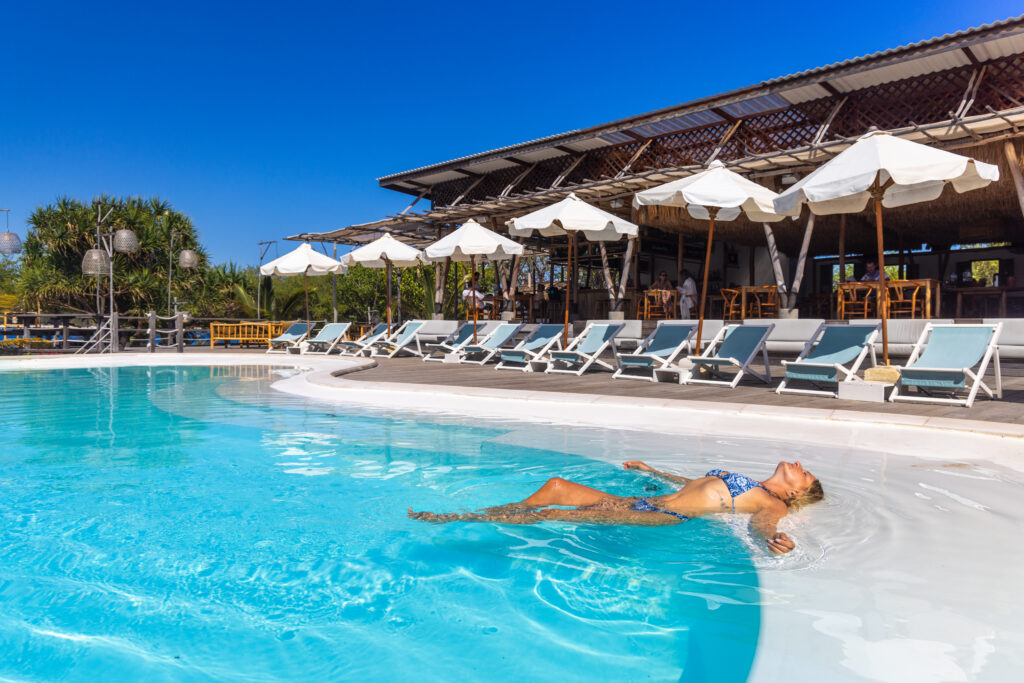
Lombok is more conservative than Bali because it’s predominantly Muslim, but tourism has softened the rules in the areas travelers visit most.
In Senggigi, Kuta Mandalika, and the Gili Islands, alcohol is served openly in beach bars, restaurants, and resorts. On Gili Trawangan, nightlife is a big part of the island’s vibe, and drinking is common.
However, in local villages and less touristy parts of Lombok, people rarely drink alcohol, and carrying alcohol openly may feel disrespectful.
💡 Insider tip: On the Gilis, alcohol is easy to find — but on mainland Lombok, drinking is best kept to hotel and restaurant settings. If you’re in a local village, choose water or tea to respect local norms.
Nusa Tenggara (Flores, Sumba, Timor — Mixed Rules)

The eastern islands of Nusa Tenggara are a blend of Catholic, Christian, and tribal communities, which makes attitudes toward alcohol much more relaxed than in Java or Sumatra.
In Labuan Bajo, drinking is widely accepted — the town caters to divers and travelers doing the Komodo trips. Bars, hotels, and boats all serve alcohol.
In more rural or remote areas of Sumba and Timor, drinking exists but is low-key; you’ll find beer in small shops and restaurants, but rarely see it consumed in public by locals.
💡 Insider tip: In Labuan Bajo, most boat tours include drinks — but always check the safety of mixed spirits. Stick to sealed beers or wine if you’re unsure about the bar or boat operator.
Sulawesi & Kalimantan (Local Rules, Mostly Moderate)

These massive islands have mixed populations — Muslim, Christian, and Indigenous — which leads to varied but generally moderate alcohol rules.
In cities like Manado (North Sulawesi), drinking is common, and alcohol is easily available in shops and restaurants.
In more conservative districts, you’ll find alcohol only in:
- hotels
- licensed restaurants
- tourist-focused areas
- Chinese or Christian-majority neighborhoods
Village settings remain conservative.
💡 Insider tip: North Sulawesi and Manado have some of the most relaxed drinking cultures outside Bali — but as soon as you leave the cities, assume conservative norms unless you’re clearly in a tourist area.
Papua (District-Level Restrictions)

Papua is diverse and culturally unique, with many Christian-majority communities. Alcohol used to be widely available, but in recent years some districts have introduced partial or full bans due to alcohol-related issues.
Rules vary dramatically between cities and rural zones. In Jayapura and Sorong, alcohol is sold in restaurants, hotels, and certain shops. Outside the cities, restrictions increase quickly.
💡 Insider tip: Papua’s alcohol rules change often. Always ask your hotel or guide before buying or bringing alcohol — some areas enforce bans strictly, while others allow it freely.
Where You Can Legally Buy Alcohol in Indonesia

Buying alcohol in Indonesia can feel easy in one place and impossible in the next — because the country doesn’t use a single national retail system. Instead, alcohol is sold only through licensed venues, and each region decides how strict those licenses are.
Here’s where tourists can reliably buy alcohol across most of Indonesia:
✔ Hotels & Resorts
The easiest and safest option. All major hotels — from Bali to Jakarta — sell alcohol in their bars, restaurants, and minibars. In restricted areas, hotels are often the only place allowed to serve it.
✔ Restaurants & Bars With Licenses
Tourist restaurants, expat venues, rooftop bars, and nightlife districts usually have alcohol licenses. Jakarta, Bali, Labuan Bajo, Manado, and Gili Trawangan all have large licensed nightlife areas.
✔ Liquor Stores (City Only)
Dedicated liquor shops exist mostly in:
- Jakarta
- Bali
- Labuan Bajo
- Manado
These stores sell imported spirits, wine, and beer — legally and safely.
💡 Insider tip: Convenience stores (Indomaret, Alfamart, Circle K) no longer sell alcohol in most of Indonesia. Bali is the exception, where some minimarts still stock beer.
✔ Duty-Free Shops (Airports)
The cheapest place to buy imported alcohol in the entire country. Every adult entering Indonesia can bring up to 1 liter, which is often the best option if you enjoy spirits.
✔ Supermarkets (Selected Only)
High-end supermarkets in large cities — like Grand Lucky, Ranch Market, Kem Chicks — sell wine and spirits. These are safe and regulated.
🚫 Where you CANNOT buy alcohol:
- local warungs (except Bali)
- village areas in conservative regions
- most supermarkets outside cities
- anywhere in Aceh
- small shops in Java/Sumatra during Ramadan
- ferries or buses (completely banned)
In many Indonesian regions, alcohol is easier to find in tourist bars and hotels than in shops.
Booking licensed tours, drivers, or boat trips through trusted platforms ensures you’re in safe,
legal, well-regulated places.
👉 Click here to book it safely
Duty-Free Rules for Entering Indonesia
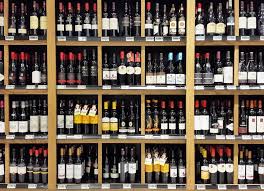
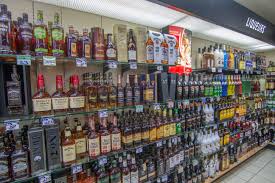
Duty-free is the smartest (and cheapest) way to bring alcohol into Indonesia — especially if you enjoy wine or spirits, which are heavily taxed once you’re inside the country. But Indonesia also has some of the strictest duty-free limits in Southeast Asia, and exceeding them almost always means confiscation.
Here’s exactly what every traveler should know before landing in Bali, Jakarta, Lombok, Labuan Bajo, or anywhere else in the country.
🥂 How much alcohol can you bring into Indonesia
Every adult (21+) may legally bring:
- 1 liter of alcohol total
(wine, spirits, or beer — not 1 liter each)
This rule applies nationwide, including Bali.
🛑 What happens if you bring more
Indonesian customs can (and often do) confiscate any amount over the 1-liter limit.
Some airports simply remove the extra bottle.
Others, especially Jakarta, can fine or fully seize your alcohol.
💰 Duty-free pricing
Duty-free is almost always the cheapest way to get imported alcohol.
Prices inside Indonesia are often 2–4× higher due to taxes.
- 🥃 The duty-free limit for Indonesia is 1 liter per adult — total, not per bottle type.
- ⚠️ Anything above the limit can be confiscated immediately at customs.
- ✈️ Jakarta Airport (CGK) is known for stricter enforcement than Bali.
- 💰 Duty-free prices are typically much cheaper than buying inside Indonesia.
- 🧳 Always pack alcohol in checked luggage when connecting flights inside Indonesia.
💡 Insider tip: If you plan to make cocktails or enjoy wine in your villa, buy your bottle before you land. Imported alcohol inside Indonesia can cost up to four times more, especially in Bali and Jakarta. Buying 1 liter at duty-free is the best value you’ll find in the whole country.
Alcohol Prices Across Indonesia

Alcohol prices in Indonesia vary wildly depending on the island you’re on. Bali and Jakarta are the most expensive due to high taxes on imported drinks. Rural regions and eastern islands like Flores or Sumba tend to be far more affordable. Local drinks such as arak, tuak, and brem are cheap and widely available, while imported spirits and wine can cost up to three or four times more than in Europe.
To give you a clear overview, here’s what you can expect to pay across Indonesia in 202:
Most travelers are surprised by how different alcohol prices are across Indonesia. As a rule of thumb, imported drinks are always the most expensive, duty-free is the best value, and local alcohol is the cheapest option — but should be chosen carefully depending on where it’s made. Always check the venue, trust your instincts, and when in doubt, order sealed bottles or stick to reputable bars and restaurants.
Local Drinks in Indonesia (Safe vs Unsafe)
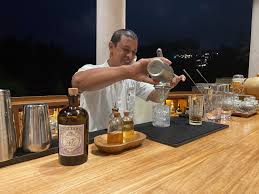
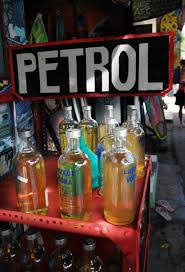
Indonesia’s drink culture is as diverse as its islands — from Bali’s smooth arak to Flores’ cloudy tuak, and the sweet rice wine brem found in village ceremonies. Some of these drinks are completely safe to try when bought from reputable places… and others should be avoided unless you absolutely trust the source.
Local alcohol isn’t just something tourists seek out; it’s woven into traditional celebrations, rituals, and community gatherings. But because many versions are homemade — and sometimes unregulated — it’s important to understand what’s safe, what’s delicious, and what’s better to skip.
Below is a quick guide to Indonesia’s most common traditional drinks:
🥃 Arak (Bali & Lombok)

Arak is a clear, strong alcohol traditionally distilled from rice or coconut.
There are two types:
- Commercial arak — safe when purchased from licensed venues
- Homemade arak — riskier, sometimes contaminated
Arak is delicious in cocktails at reputable bars, but avoid anything suspiciously cheap or unlabeled.
🍸 Tuak (Palm Wine)

Tuak is a cloudy, slightly sour palm wine made by fermenting sap from palm trees.
It’s common in rural areas of Sumatra, Kalimantan, Nias, and Flores.
It can be lovely and refreshing — but it’s almost always homemade and varies wildly in strength and hygiene.
🍷 Brem (Rice Wine)
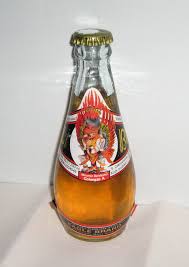
Brem is Bali’s traditional sweet rice wine, often served at ceremonies.
Commercial versions exist and are safe to try, usually found in licensed shops or restaurants.
🧉 Sopi (Eastern Indonesia)
A strong, clear spirit from Maluku and East Nusa Tenggara.
Mostly homemade, often very strong, and traditionally consumed in groups.
Stick to commercial or trusted sources only.
What to avoid
Any alcohol that is:
- unlabeled
- homemade and served in random bars
- suspiciously cheap
- poured from reused plastic bottles
- promoted by “free shot” street vendors
These are the sources historically linked to methanol accidents.
💡 Insider tip: If you want to try local drinks safely, order them only at licensed bars, restaurants, or reputable beachfront spots. In Indonesia, the danger usually isn’t the drink itself — it’s the source. Avoid homemade arak, unlabeled bottles, and anything suspiciously cheap. When in doubt, stick to sealed beer or wine.
Safety Tips for Drinking in Indonesia

Drinking in Indonesia is safe when you understand the cultural expectations, regional differences, and where alcohol is properly regulated. The main risks come from unregulated spirits, over-touristy nightlife traps, and being unaware of local norms — especially outside Bali.
Here’s how to enjoy Indonesia confidently and respectfully:
🍹 Choose reputable venues for cocktails
Order mixed drinks only from hotel bars, established restaurants, beach clubs, or licensed nightlife spots. Methanol cases usually involve cheap homemade spirits, never official venues.
Curious about ice and water safety in your drinks? My guide on drinking tap water in Bali explains exactly what’s safe — and what to avoid.
🕌 Be discreet in conservative areas
If you’re in a Muslim-majority region, passing mosques, or walking through a village, avoid holding alcohol in public. Cultural respect is everything here.
🔒 Trust sealed bottles over homemade spirits
Beer, wine, and branded spirits in sealed bottles are safe everywhere. Avoid homemade arak, tuak, or sopi unless you 100% trust the source.
🌙 Expect restrictions during Ramadan
In Java, Sumatra, Lombok (outside tourist zones), and many conservative regions, alcohol availability is reduced. Some bars may close or skip alcohol service entirely.
🙏 Avoid drinking near ceremonies and temples
Even in Bali, drinking near shrines, temples, or during processions is seen as disrespectful. If you see offerings, incense, or locals dressed for a ceremony, it’s not the moment for a drink.
🌃 Nightlife caution for solo travelers
In places like Seminyak, Canggu, Kuta, Jakarta SCBD, and Gili T — keep usual safety habits: watch your drink, keep your phone secure, and know your ride home.
If you’re planning a night out or visiting several bars, booking a
trusted driver, nightlife tour, or safe transport ensures you get home comfortably —
especially in Bali, Jakarta, and the Gili Islands.
👉 Click here to book it safely

Final Thoughts
Indonesia is an incredible place to enjoy a drink — from Bali’s sunset cocktails to Jakarta’s sleek rooftop bars and the traditional flavors found across the islands. As long as you understand the regional differences and follow a few simple safety tips, you’ll drink confidently, respectfully, and without confusion. Let this guide be your base as you explore Indonesia at your own rhythm.
✨ Read Next
Continue planning your Indonesia trip with guides that help you stay safe, informed, and confident while exploring the islands 🌴
✨ FAQs — Drinking Alcohol in Indonesia
No. Alcohol is legal at the national level, but regulations depend heavily on the region. Bali, Jakarta, Flores, and tourist areas allow drinking freely, while conservative Muslim-majority regions — especially Aceh — enforce strict restrictions or full bans.
No. Tourists can drink in most major destinations, but not everywhere. Bali, Jakarta, Labuan Bajo, the Gili Islands, and Manado are relaxed. In Aceh, it’s completely illegal. In Java and Sumatra, alcohol is only available in licensed venues. Always check local norms when traveling between islands.
Yes — if they’re made at reputable venues like hotel bars, beach clubs, and licensed restaurants. Methanol incidents have historically involved cheap, homemade spirits used by unregulated bars. Stick to trusted places and avoid “free shot” streetside offers.
The legal drinking age is 21 years old, although ID checks are rare outside large clubs or high-end hotels. Airport duty-free shops also require proof of age.
Yes. Every adult (21+) may bring 1 liter of alcohol into Indonesia duty-free. Anything above this limit may be confiscated — especially at Jakarta Airport, which enforces the rules more strictly than Bali.
Indonesia applies heavy taxes on imported alcohol, which is why wine and spirits can cost 2–4 times more than in Europe. Bali and Jakarta tend to have the highest prices. Duty-free is usually the cheapest source for quality spirits.
It depends on the region.
In Bali, Lombok’s tourist zones, Jakarta nightlife areas, and the Gilis — drinking in public is common.
But in conservative regions (Java, Sumatra, Aceh), drinking publicly is considered disrespectful and sometimes illegal. When in doubt, keep it discreet.
Not nationwide. But in many Muslim-majority areas — especially Java, Sumatra, Lombok (outside tourist hubs) — venues reduce or stop alcohol sales during Ramadan. Bali and major tourist destinations usually continue serving alcohol normally.
They can be. Commercial arak, brem, and palm wines sold in licensed venues are generally safe.
However, homemade versions vary greatly in strength and quality. Avoid anything unlabeled, extremely cheap, or served from reused plastic bottles.
The safest options are:
sealed beer bottles (Bintang, Anker, Prost)
sealed imported spirits
wine from licensed retailers
cocktails from established bars or hotels
Avoid homemade spirits unless you trust the source 100%.


