
Mirissa is often where people first exhale in Sri Lanka. After the movement of Colombo and the long ride south, the road curves gently toward the ocean, the bay opens up, and the pace shifts almost without asking. Palm trees lean toward the water, fishing boats return early in the morning, and by the time the sun climbs higher, the beach has already lived a few quiet lives.
Early mornings in Mirissa belong to fishermen, walkers, and the soft sound of waves breaking close to shore. Later in the day, cafés fill, surfboards appear under arms, and travellers drift in and out of the heat, looking for shade, salt water, or a slow lunch. It’s a place where locals, surfers, long-stay travellers, and first-timers naturally overlap — not in a curated way, but in a rhythm that has formed over time.
Mirissa isn’t untouched, and it isn’t trying to be. It can feel busy at midday, some spots are more photographed than they deserve, and the contrast between calm mornings and louder evenings is real. But that balance is exactly why Mirissa works so well as a base on Sri Lanka’s south coast. It’s easy to settle into, forgiving for first-time visitors, and flexible enough to be whatever you need — a few slow beach days, a gateway to whale watching, or simply a place to pause before moving on.
This guide focuses on what Mirissa is really like: how it feels to stay here, when it’s at its best, what’s worth your time, and how to experience it in a way that stays grounded, respectful, and unhurried.
📍 Where Is Mirissa & Why Stay Here


Mirissa sits on Sri Lanka’s south coast, about two hours south of Colombo and just east of Galle. It’s tucked into a wide, curved bay that naturally softens the ocean and creates one of the more approachable beach environments on this stretch of coast. The town itself is compact and walkable, with the beach, cafés, guesthouses, and small roads all folding into each other without feeling chaotic.
As a base, Mirissa works especially well because of what’s around it. Galle is close enough for an easy day trip, while surf towns like Weligama and quieter beaches further east are just a short tuk-tuk ride away. Head west and you’re moving toward colonial history and fortified towns; head east and the coast becomes more relaxed, greener, and less built up, eventually leading toward places like Hiriketiya and Talalla.
Many travellers choose Mirissa as their first stop in Sri Lanka, and for good reason. It’s gentle to arrive in: transport is straightforward, English is widely spoken, and the pace makes it easy to recover from long flights or busy travel days. You don’t need to plan much to enjoy it — you can simply wake up, walk to the beach, eat when you’re hungry, and let the rhythm of the place guide you for a few days.
In terms of timing, three to five nights is a sweet spot for most people. That’s enough time to settle into the daily flow, enjoy the beach at different hours, take a whale-watching trip if it’s the right season, and still explore nearby areas without feeling rushed. Some travellers stay longer — especially if they’re working remotely, slow travellers or using Mirissa as a soft landing — but even a short stay gives you a clear sense of Sri Lanka’s south coast before moving on.
Mirissa isn’t about ticking boxes. It’s about arriving gently, easing into the rhythm of the country, and letting Sri Lanka reveal itself at a pace that feels manageable and human — especially at the beginning of a journey.
🌴 Best Things to Do in Mirissa

Mirissa isn’t a place where you rush from one attraction to the next. Most of what works here happens around the edges of the day — early mornings, late afternoons, and the quiet hours in between when nothing much is planned. The best experiences are simple: time by the water, moving with the heat, and choosing a few moments to step out rather than trying to do everything.
If you arrive expecting a long list of must-see sights, Mirissa can feel underwhelming. If you arrive open to slow beach days, short outings, and small rhythms, it often becomes one of the easiest places on Sri Lanka’s south coast to settle into.
🌊 Mirissa Beach & Secret Beach


Mirissa Beach changes character throughout the day, and knowing when to be here matters more than knowing where to stand. Early mornings are the quietest and most rewarding: the sand is cool, fishing boats come and go, and the bay feels open and breathable. This is the best time for a long walk, a gentle swim, or simply sitting with a coffee and watching the light move across the water.
By late morning and early afternoon, the beach becomes livelier. Sunbeds appear, cafés fill up, and the heat settles in. Swimming is still possible, but the ocean can be unpredictable depending on conditions, so many people choose to float, wade, or cool off close to shore rather than swim long distances. Mirissa isn’t a classic “swim-all-day” beach — it’s more about dipping in, resting, and letting the hours pass slowly.


Secret Beach, tucked around the headland, is often mentioned as a quieter alternative. It can be worth visiting early in the day, when the water is calm, and there are fewer people around. At those times, it feels intimate and peaceful. Later in the day, however, it often becomes crowded, with limited shade and a more enclosed feeling that doesn’t suit everyone. If it feels busy when you arrive, it’s usually better to turn back and enjoy the openness of Mirissa Beach instead.
Both beaches are best approached without expectation. Mirissa rewards those who follow the rhythm of the day — arriving early, stepping back when it’s busy, and using the beach as a place to pause rather than perform.
🌊 Need to Know — Mirissa & Secret Beach
- 🕕 Best time: Early morning is calmest; midday heat and waves can be intense.
- 🏊 Swimming: Conditions change quickly — floating close to shore is often safer than long swims.
- 📍 Secret Beach: Worth it early or late in the day; midday crowds and heat can take away the charm.
- 👣 Access: Wear proper shoes — paths to smaller beaches can be rocky and uneven.
🐢 Turtle Beach & Sea Turtles in Mirissa


Just beyond the main curve of Mirissa Beach, the rocky stretch beneath Coconut Tree Hill is often referred to as Turtle Beach. It’s a smaller, less sandy area where the water deepens close to shore and the reef creates calmer pockets — conditions that sometimes attract sea turtles feeding near the rocks.
Turtles are most often seen early in the morning, when the water is clearer, and the beach is quiet. At those times, you may spot them surfacing for air or moving slowly below the surface. Sightings are never guaranteed, and that’s part of what keeps the experience respectful and special. This isn’t a zoo or a scheduled activity — it’s simply being in the right place at the right time.
If you do see turtles here, the most important thing is distance and restraint. Swimming toward them, blocking their path, touching them, or trying to get underwater photos at all costs causes stress and disrupts natural behaviour. The best encounters happen when you stay still, float calmly, and let the turtle pass on its own terms — or not at all.
It’s also worth knowing that not every “turtle beach” along Sri Lanka’s coast is ethical. Some places advertise guaranteed sightings or allow close interaction, which often comes at the animals’ expense. In Mirissa, turtle sightings are incidental, not staged, and that’s exactly how they should be. Seeing one briefly, from a respectful distance, is enough.

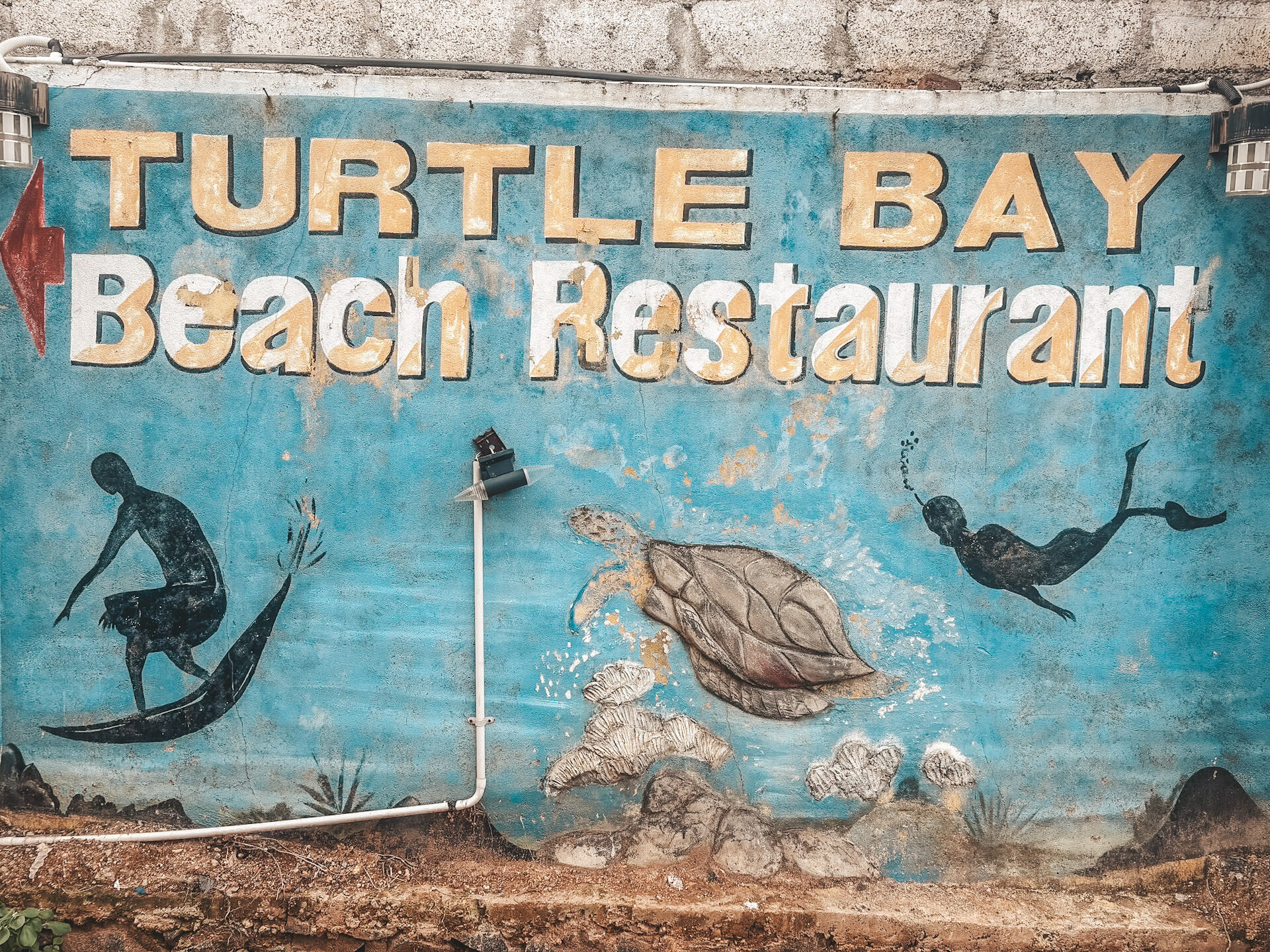
Turtle Beach works best as a quiet morning stop, paired with a walk past Coconut Tree Hill rather than as a main swimming beach. Even if you don’t see turtles, the view back toward the bay and the early light on the water make it a gentle, worthwhile part of a Mirissa morning.
I stayed right on this stretch of coast, with Coconut Tree Hill rising above the water, and spent many days here without feeling the need to go anywhere else. Mornings were slow and quiet, the view shifting gently as the light changed.
I ate here, rested here, worked here, and watched the ocean and the Coconut Tree Hill from different angles throughout the day — sometimes from the sand, sometimes from the shade, sometimes just floating in the water. Being in one place long enough makes you notice how the beach changes hour by hour, and why this area works best when you don’t rush it.
🐢 Need to Know — Turtle Beach
- 🌊 Sea turtles: Often seen near shore, especially in calmer conditions.
- 🚫 Do not: Touch, chase, block or surround turtles — even if others do.
- 🧘 Best approach: Stay still, float calmly, and let wildlife pass naturally.
- 🌴 Atmosphere: One of the few spots where beach life and Coconut Tree Hill views meet.
🌴 Coconut Tree Hill


Coconut Tree Hill sits at the eastern end of Mirissa, rising gently above the ocean and offering wide views over the bay. It’s one of the most photographed spots on Sri Lanka’s south coast — and because of that, expectations are often higher than reality.
I stayed nearby, with a clear view toward the hill, and watched its rhythm unfold day after day. From my terrace, iced coffee in hand, I could see crowds slowly starting to form from the late morning, and culminating at the late afternoon — people arriving in groups, lining up for photos, waiting their turn while the light faded. From a distance, it was already clear that sunset here is less about the place itself and more about managing the moment.


Sunrise is a completely different experience. When I went early in the morning, I shared the hill with only 3-4 other people. The air was cool, the light soft, and the space felt intimate, open and quiet. At that hour, Coconut Tree Hill finally makes sense — not as a photo stop, but as a calm pause above the sea.
By sunset, the atmosphere changes entirely. The hill is small, the paths are narrow, and once it fills up, it can feel crowded and rushed rather than peaceful. If you’re sensitive to noise, queues, or staged photo moments, this time of day often feels more draining than rewarding.


Visiting respectfully matters here, especially as Coconut Tree Hill borders private land and homes. Stick to established paths, avoid climbing trees or entering restricted areas, and keep voices low — particularly early in the morning.
Coconut Tree Hill works best as a short, quiet stop, not a main event. Seen at sunrise and approached gently, it becomes part of Mirissa’s natural rhythm. Chased at peak hours, it easily loses what made it special in the first place.
🌴 Need to Know — Coconut Tree Hill
- 🌅 Sunrise vs sunset: Sunrise is quiet and gentle; sunset often brings crowds and photo queues.
- 📸 Reality check: Expect lines and waiting later in the day — it’s no longer a hidden spot.
- ☕ Best alternative: Watching from a nearby terrace can be more peaceful than joining the crowd.
- 🙏 Respect: Stay on paths, don’t damage trees, and keep noise low in the morning.
🐋 Whale Watching in Mirissa

Mirissa is one of Sri Lanka’s best-known bases for whale watching, mainly because of its location along a deep-water channel where blue whales and sperm whales migrate close to the coast. When conditions are right, sightings can be remarkable — but this is one experience where timing, expectations, and ethics matter more than hype.
The best months for whale watching in Mirissa are generally from November to April. During this period, sea conditions are calmer, and the chances of sightings are higher. Outside of these months, tours still run, but rougher seas and lower visibility make the experience less predictable and often less enjoyable.
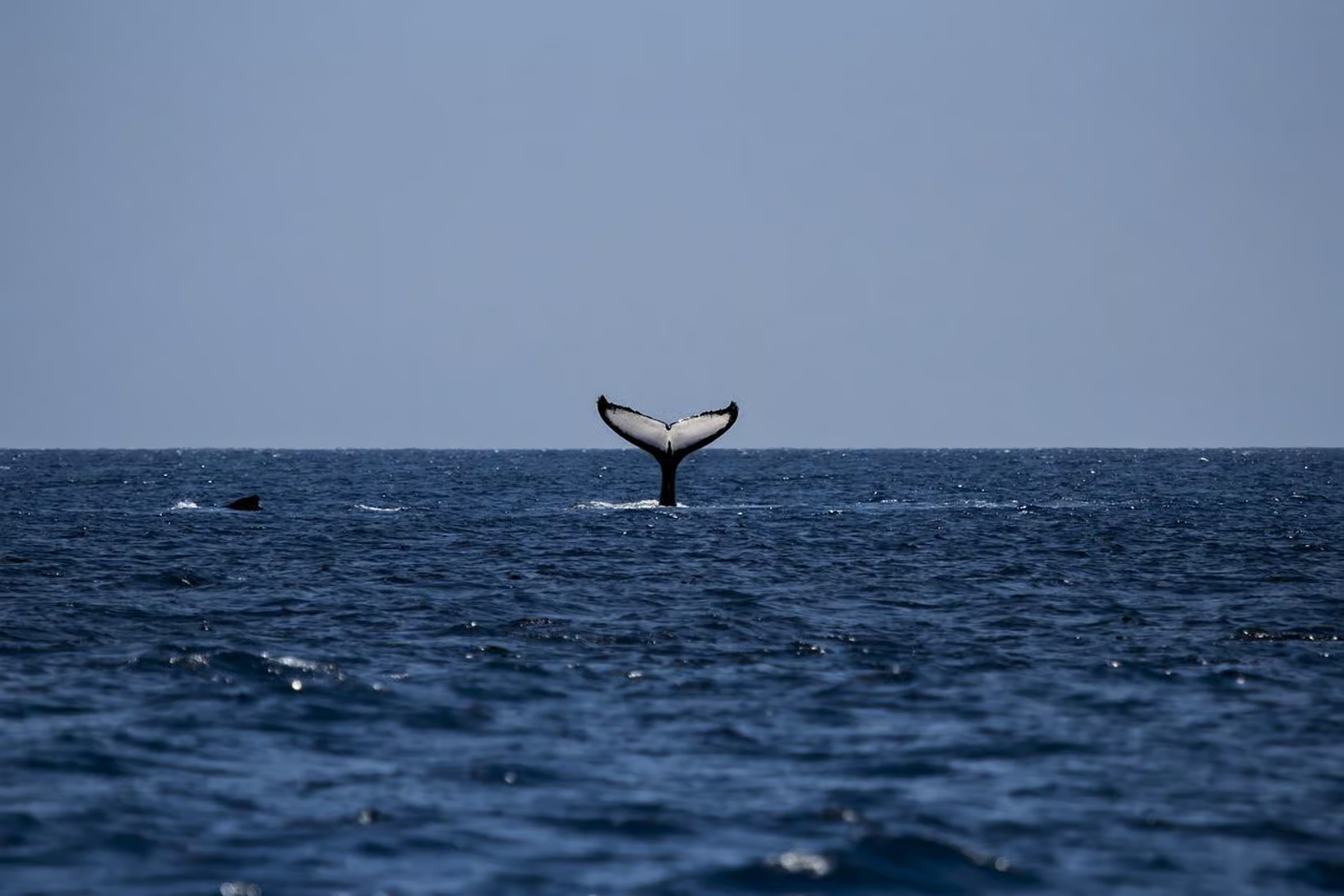
In terms of what you actually see, blue whales are the main draw, sometimes alongside sperm whales, dolphins, and flying fish. Sightings are never guaranteed, and they shouldn’t be. Some days involve long stretches of open water before a brief, powerful moment — a tail surfacing, a blow in the distance, a slow roll beneath the boat. It’s often quieter and more subtle than social media suggests, and that’s not a bad thing.
🐋 Need to Know — Whale Watching in Mirissa
- 🗓 Best months: November to April, when seas are calmer.
- 👀 What you see: Blue whales, sperm whales, dolphins — sightings vary daily.
- ⚖️ Ethics matter: Avoid operators that chase whales or overcrowd boats.
- ❌ When to skip: Rough seas, packed boats, or if it feels rushed or exploitative.
Ethical considerations are especially important here. Whale watching should never involve chasing, crowding, or cutting off animals. Unfortunately, not all operators follow best practices. Boats that approach too closely, surround whales, or race between sightings cause unnecessary stress and can disrupt natural behaviour. Choosing a responsible operator — one that keeps distance, limits speed, and prioritizes the animals over photos — makes a real difference.
There are also times when it’s best to skip whale watching altogether. If the sea is rough, if you’re prone to motion sickness, or if you’re uncomfortable with the way tours are being run on a given day, it’s okay to say no. Not every meaningful wildlife experience requires participation, and opting out can be the more respectful choice.
Seen with the right mindset, whale watching in Mirissa can be a powerful reminder of how small we are in the ocean. Seen as a guaranteed spectacle, it often disappoints. Approached calmly, selectively, and ethically, it has the potential to be one of the more humbling experiences on Sri Lanka’s south coast.
☕ Cafés & Food in Mirissa


Food in Mirissa reflects the town itself — relaxed, mixed, and a little in-between. You’ll find small local eateries next to Western-style cafés, smoothie stalls beside beach restaurants, and days where a single good meal feels more satisfying than trying to “do it all.”
This isn’t a place that rewards hopping between ten spots a day. Mirissa works best when you eat slowly, return to the same places, and let familiarity replace novelty.
🥐 Breakfast culture: slow mornings, simple choices
Mornings in Mirissa start early but gently. Surfers head out at first light, cafés open while the beach is still quiet, and breakfast often stretches into late morning.
Most people gravitate toward:
- fruit bowls, toast, eggs and coffee in Western-style cafés
- fresh juices and coconuts from small street stalls
- simple local breakfasts if you know where to look
There’s no pressure to chase the “best” café — consistency and atmosphere matter more here than trends.

🍚 Sri Lankan rice & curry vs Western cafés
By midday, Mirissa splits into two rhythms:
- Western cafés offering comfort food, coffee, and familiar flavours
- Local restaurants serving rice & curry, rotis, and simple sandwiches
Rice & curry is usually the better value, more filling, and deeply connected to daily life here. Western cafés are convenient and comfortable, especially if you’re easing into Sri Lanka for the first time. Most travellers end up mixing both — and that balance feels right.


🍲 My Favourite Places to Eat in Mirissa
I didn’t try to eat everywhere in Mirissa — and that’s kind of the point.
These are a few calm, reliable places I kept returning to: easy, honest food, friendly faces, and places where sitting longer never felt strange.
🥥 Hiru Restaurant
Right on the beach, with uninterrupted views toward Coconut Tree Hill. This is where I stayed, and it naturally became one of those places you return to without thinking — for meals, for the view, for the feeling of being settled in one spot.
The food is consistently good, the setting quietly special. Watching the light change over Coconut Tree Hill while eating, working, or simply sitting there becomes part of daily life rather than something you plan around.


🥭 Sethu Fresh Fruit Juice Bar
A small, unassuming stall by the road — easy to miss, easy to appreciate. Fresh juices and cold coconuts, the kind of place you stop at between beach walks or on the way back from town. Simple, quick, and genuinely refreshing.
🍛 Imalsha Restaurant
A real hidden gem on the street, simple and local. Excellent Sri Lankan rice and curry, surprisingly good sandwiches, and prices that almost don’t make sense for the quality. No performance — just honest food cooked well in a place you’d miss if you didn’t slow down enough to notice it.


🍽️ Eating in Mirissa
Mirissa isn’t about collecting restaurant names. It’s about finding two or three places that feel good and letting them become part of your routine. Sitting longer. Eating without rushing. Watching the beach instead of your phone.
When you stop trying to optimize every meal, Mirissa quietly rewards you — with ease, rhythm, and a sense that you’re no longer just passing through.
🍽️ Eating in Mirissa — Need to Know
- 🕖 Mornings: Calm and quiet before 9:00 — best time for breakfast, coffee and fruit.
- 🌞 Midday: Heat slows everything down; expect shorter menus and relaxed service.
- 🌅 Evenings: Beachfront places fill up fast — arrive early or accept waiting as part of the rhythm.
- 💸 Prices: Local places are significantly cheaper; rice & curry is usually the best value.
- 🥥 Hydration: Fresh coconuts and juices aren’t just nice — they help you adjust.

🏡 Where to Stay in Mirissa
Mirissa works best when you choose the right area, not the “best hotel.”
Where you sleep shapes how the town feels — noisy or calm, rushed or grounded, temporary or lived-in.
This is especially important if Mirissa is your first stop in Sri Lanka.
🗺️ Best area to stay in Mirissa
For most travellers, the sweet spot is along or just behind Mirissa Beach, especially the stretch with a clear view toward Coconut Tree Hill.
This area gives you:
- Easy beach access without needing transport
- Walkable cafés and small local places
- Morning calm before the day crowds arrive
- Sunset views without having to chase viewpoints
Staying right on the beach feels magical in the early morning and evening, and is always my first choice.
Staying one street back often means better sleep and slightly better value — without losing atmosphere.
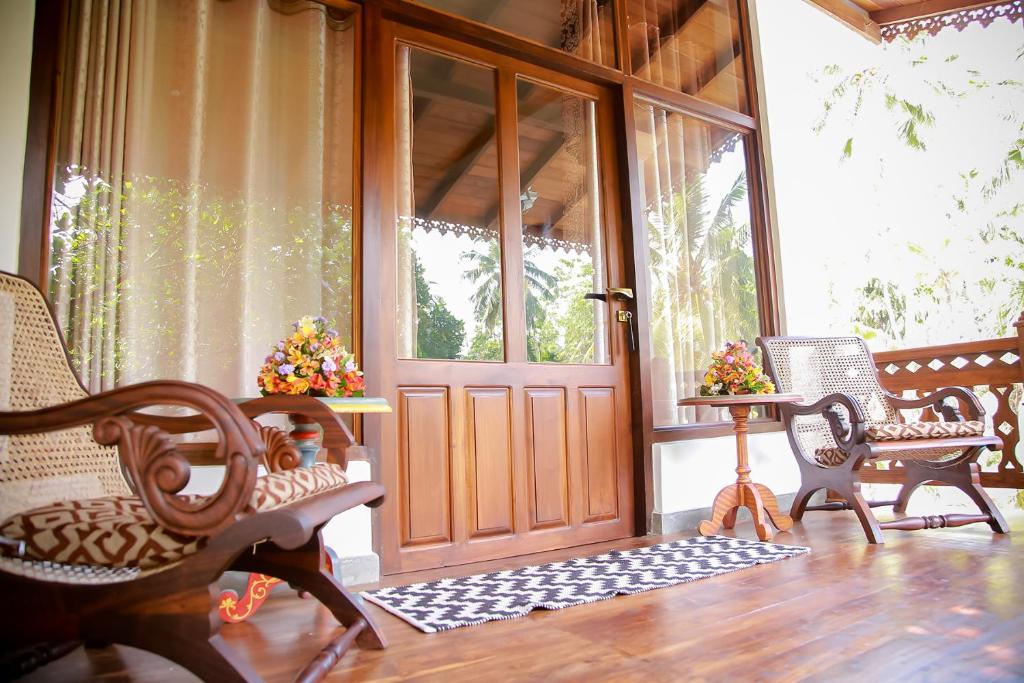

🛌 The right stay for your travel style
Rather than thinking in hotel categories, Mirissa makes more sense when you think in vibes.
🌊 Simple beachfront stays
Best if you want to wake up with the ocean, walk barefoot to breakfast, and spend most of your time outside. These places are often modest, sometimes imperfect — but deeply connected to the rhythm of the beach.
🌿 Comfortable mid-range bases
Ideal if you value good sleep, air-conditioning, reliable Wi-Fi, and quiet nights. These work well if you’re staying a bit longer or working remotely.
🤍 Small boutique places
Fewer rooms, calmer energy, and more privacy. These suits slow travellers who don’t need constant stimulation and prefer space over buzz.
Mirissa rewards staying in one place longer, rather than hopping accommodations every night.
🛑 Who Mirissa is not for
Mirissa isn’t for everyone — and that’s part of why it works.
You may want to skip it if:
- You’re looking for nightlife or party energy
- You want total isolation with empty beaches
- You prefer large resorts or tightly planned experiences
Mirissa suits travellers who like ease, routine, and gentle social energy — not spectacle.


🚙 Getting to Mirissa
Reaching Mirissa is straightforward, but how you arrive shapes your first impression of the south coast. Trains, cars and tuk-tuks all work — the key is choosing what feels least stressful for where you are in your journey, not what looks fastest on paper.
🚂 From Colombo (train or car)
Most travellers arrive in Sri Lanka through Colombo, and Mirissa is a natural first coastal stop.
- By train:
The coastal train from Colombo Fort to Mirissa (or nearby Weligama) is slow but atmospheric. Expect sea views, open doors, locals commuting, and a rhythm that immediately pulls you out of “arrival mode.”
Travel time is roughly 3.5–4.5 hours, depending on the service. - By car or driver:
Hiring a driver or taking a taxi is the easiest option after a long flight, especially if you’re carrying luggage or arriving late in the day. The drive takes around 2.5–3 hours, mostly via the southern expressway, then smaller coastal roads.
If Mirissa is your very first stop in Sri Lanka, a car transfer often feels gentler than navigating stations and crowds straight away.

🚘 From Galle
From Galle, Mirissa is close and easy.
- By train: around 1–1.5 hours, with frequent local trains along the coast.
- By car or tuk-tuk: roughly 45–60 minutes, depending on traffic.
This makes Mirissa a convenient continuation after exploring Galle Fort, without feeling like a major travel day.
✈️ From the airport (Bandaranaike International Airport)
If you’re coming directly from the airport, Mirissa is still very doable on the same day.
- Private transfer: the most comfortable option after a long flight. Expect 3–3.5 hours.
- Public transport: possible, but involves multiple changes (bus or train via Colombo) and can feel overwhelming if you’ve just landed.
For most travellers, especially first-timers, booking a driver from the airport is worth it — not for speed, but for ease.
👉 To compare train, car, and taxi options in one place, you can check routes and availability on
12Go Asia — especially useful if you want to see prices and travel times side by side.


🛺 Tuk-tuk realities in Mirissa
Tuk-tuks are everywhere in Mirissa, but they work best for short distances, not long transfers.
- Always agree on the price before you get in, or use an app (PickMe or Uber – always check prices on both, but I often found Uber to be more affordable).
- Prices can vary depending on the time of day and season.
- For nearby beaches, cafés, or the train station, tuk-tuks are convenient and part of daily life.
- For longer trips (Galle, Yala direction, airport), a car with a driver is far more comfortable.
Mirissa is small enough that you’ll often end up walking — and that’s when it starts to feel like a place rather than a stop.
☀️ Best Time to Visit Mirissa
Mirissa works year-round in theory, but it feels very different depending on season, light, and crowd rhythm. Choosing when to come isn’t just about weather — it’s about how you want your days to feel.
🌤️ High Season: December to April
Best for: calm seas, swimming, whale watching, first-time visitors
This is when Mirissa is at its most reliable. The ocean is usually calmer, mornings are bright, and the south coast shows its gentler side. It’s also when whale watching operates most consistently.
The trade-off is obvious: more people. Beaches fill up by late morning, cafés are busier, and sunset spots draw crowds. Still, if you’re arriving in Sri Lanka for the first time, this season offers the easiest, least complicated introduction.
Sweet spot within high season:
January–February — stable weather, slightly less hectic than the Christmas and Easter periods.


🌊 Shoulder Season: November & May
Best for: slower travel, softer light, fewer crowds
These months sit quietly between extremes. You might get short tropical showers, but they often pass quickly and leave the air cooler and the light more dramatic.
Mirissa feels more human then — fewer organized tours, more space on the beach, and a rhythm that invites staying longer rather than rushing through.
If you don’t need perfect conditions every day, this can be one of the most rewarding times to visit.
🌧️ Low Season: June to October
Best for: quiet stays, long walks, writing, resting
This is the southwest monsoon period. Seas can be rough, swimming isn’t always possible, and whale watching usually stops. Some cafés close, and beach life slows dramatically.
But Mirissa doesn’t shut down completely. What remains is a quieter, more introspective version of the town — good for rest days, creative work, and travellers who don’t mind adjusting plans around weather.
If your idea of travel includes storms, empty beaches, and staying in one place without pressure, this season has its own quiet appeal.


🩵 When Mirissa Feels Best
Regardless of season, Mirissa is at its best:
- Early mornings (before 9 AM)
- Late afternoons, once day-trippers leave
- On days when you don’t plan anything at all
Mirissa rewards those who let the day unfold rather than trying to time everything perfectly.
⚖️ Mirissa vs Weligama vs Hiriketiya – Which One to Choose?
These three south-coast towns sit close to each other, but they feel surprisingly different once you spend time in them. I stayed in all three, and while each has its place, the experience they offer isn’t interchangeable.
✨ Need to Know
- 🧭 Many travellers start in Mirissa and later move on — it’s an easy first base, not always a final one.
- 🏄 Weligama works best if surf is your main goal; otherwise it can feel spread out.
- 🌊 Hiriketiya is small — which is exactly its strength. You’ll walk everywhere and quickly feel part of daily life.
- ⏳ If you’re short on time, skipping one town entirely often feels better than rushing through all three.
Where you stay will quietly shape your days.
🌴 Mirissa — Balanced & Easy
Best for: first stop, mixed days, gentle introduction
Mirissa feels like a soft landing. It’s spacious enough to breathe, easy to navigate, and doesn’t push you into any particular lifestyle. You can swim, eat well, work, rest, or do nothing — without feeling out of place.
It’s not the most exciting, and that’s exactly why it works so well at the beginning of a trip. Mirissa gives you time to arrive, adjust, and understand the rhythm of Sri Lanka before deciding what you want more of.

🏄 Weligama — Functional & Surf-Driven
Best for: learning to surf, longer practical stays
Weligama is wide, open, and built around surfing. The beach is long and forgiving, surf schools are everywhere, and accommodation is often better suited for longer stays.
That said, it feels more spread out and less intimate. You move between places rather than settling into one. It’s great if surf is your focus, but less so if you’re looking for atmosphere or a strong sense of place.


🌊 Hiriketiya — Compact, Lived-In & Magnetic
Best for: vibe, cafés, surf, and feeling instantly connected
Hiriketiya was the place I connected with most.
It’s small and compact, but instead of feeling crowded, it feels contained — like everything you need is already there. Great cafés, genuinely good food, surf breaks, movement, people — all within walking distance.
Yes, there are people, but it doesn’t feel like mass tourism. It feels social, alive, and grounded. You start recognizing faces. You sit longer. You linger. The days blur together in a good way.
If Mirissa is where you land, Hiriketiya is where many people settle — even if only for a while.
🐚 How to Choose
| Mirissa | Weligama | Hiriketiya | |
|---|---|---|---|
| Overall vibe | Balanced, spacious | Functional, surf-focused | Compact, social, lived-in |
| Best for | First stop, mixed travel | Surf beginners, long stays | Vibe, cafés, connection |
| Surf | Okay (seasonal) | Very beginner-friendly | Stronger, more dynamic |
| Walkability | Medium | Low–medium | High (everything close) |
| Crowds feel | Spread out | Busy but dispersed | Social, not mass tourism |
- Start in Mirissa if you want ease and space
- Choose Weligama if surf progression is your priority
- Go to Hiriketiya if you value atmosphere, food, and a strong sense of place
Many travellers move between all three — but if you’re wondering where you might feel most at home, Hiriketiya often surprises people in the best way.
🧭 Practical Tips for Mirissa
Mirissa is easy to enjoy — but it’s not effortless. Heat, ocean conditions, and a few local rhythms shape daily life here more than guidebooks usually admit. Knowing these small things in advance makes the difference between feeling overwhelmed and feeling settled.
✨ Mirissa Tips & Insider Info
- 🌊 Ocean currents: Not all beaches here are safe for swimming every day. If locals aren’t in the water, that’s usually your cue. Floating is often safer than swimming far out.
- 💧 Heat & hydration: The heat builds quietly. Coconut water, fresh juices, and regular breaks in the shade matter more than pushing through beach days.
- 🎶 Noise & parties: Mirissa has pockets of nightlife, especially on certain beach stretches at night. If quiet sleep matters, choose accommodation slightly away from party bars.
- 💵 Cash vs card: Cards work in larger cafés and hotels, but small restaurants, juice stalls, and tuk-tuks are mostly cash-only. ATMs exist, but don’t rely on just one.
- 🙏 Respectful behaviour: Beachwear belongs on the beach. In town, modest clothing and a calm tone go a long way. Photography is fine — but avoid turning daily life into a backdrop.
⏳ How Long to Stay in Mirissa (and When to Move On)
For most travellers, three to five nights in Mirissa is the sweet spot.
It’s enough time to recover from travel, adjust to the heat, learn the rhythm of the beach, and stop feeling like you’re constantly arriving somewhere new. The first day is usually about rest. The second and third are when Mirissa starts to feel familiar — you know where to get juice, where the shade falls in the afternoon, and which stretch of beach feels right for you.
Staying longer can work, but Mirissa isn’t a place that endlessly reveals new layers. Its strength is stability, not variety. After a few days, life settles into a loop — beach, café, swim, sunset — and that’s exactly what many people need at the beginning of a Sri Lanka trip.

You’ll likely feel it’s time to move on when:
- days start to feel interchangeable rather than grounding
- you crave a stronger sense of place or community
- you want hills, wildlife, or a tighter surf-focused vibe
That’s usually the moment Mirissa has done its job.
From here, many travellers naturally continue to Weligama for surfing, Hiriketiya for a more compact and character-driven atmosphere, or head inland toward Ella or Yala to experience a completely different side of the island.
Mirissa isn’t about staying forever.
It’s about arriving well — and leaving when you’re ready to go deeper.


🤍 Is Mirissa Worth It?
Mirissa is worth it if you’re looking for a gentle landing in Sri Lanka.
It works best for travellers who want to arrive slowly, feel the ocean early in their journey, and ease into the country without sensory overload. If you value walkable days, a mix of locals and travellers, and places that don’t demand constant decision-making, Mirissa does its job quietly and well.
You’ll likely enjoy Mirissa if you:
- want a balanced first stop
- appreciate early mornings and softer evenings
- prefer familiarity over constant novelty
Mirissa may not be for you if you:
- want strong nightlife or a tightly packed social scene
- are travelling purely for surfing progression
- look for destinations that keep revealing new layers every day

Mirissa doesn’t try to impress you.
It gives you space — and that’s its strength.
For many travellers, Mirissa becomes the place where Sri Lanka finally makes sense. Where the heat, the pace, the food, the ocean, and the people settle into something familiar enough to breathe with. From here, moving on feels natural — not rushed.
If you find yourself craving a tighter, more design-led beach vibe, you’ll likely fall for Hiriketiya next.
If wildlife and raw nature are calling, Yala National Park offers a completely different rhythm.
Mirissa isn’t meant to be everything.
It’s meant to be your beginning.
➡️ Continue Your Journey in Sri Lanka
- 🌊 Hiriketiya Travel Guide — a smaller bay with a stronger café culture and surf-forward vibe.
- 🐆 Yala Safari Guide — what to expect, how to choose ethical safaris, and when to go.
- 🧭 Sri Lanka Travel Guide — regions, routes, and how to travel the island without rushing.
- 🏨 Where to Stay in Mirissa — neighbourhoods, guesthouses and calm beachfront stays.
🌸 Plan Your Mirissa Trip
A few reliable tools I use myself when travelling Sri Lanka — for smooth arrivals, easy connections, and less friction on the road.
- 🏨 Find stays in Mirissa & nearby beaches — guesthouses, boutique hotels and beachfront rooms.
- 🚗 Book drivers & transfers — ideal for Colombo → Mirissa, day trips, and wildlife routes.
- 📶 Get an eSIM before arrival — instant connection without airport SIM stress.
- 🚆 Check trains & buses with 12Go Asia — especially useful for Colombo–Galle–south coast routes.
- 🛡️ Travel insurance — important for scooter rides, wildlife safaris, and longer stays.
- 🌿 Browse well-run guided tours — helpful for whale watching, south coast highlights, or days when you want logistics handled.
Affiliate note: Some links may be affiliate — booking through them helps support my work at no extra cost to you. 💛


