
Sri Lanka Travel guide & tips

🇱🇰 SRI LANKA TRAVEL GUIDES
from palm-lined beaches and surf bays to quiet lagoons, jungle roads and wild safari dawns
— your guide to Sri Lanka starts here
📍 Explore Sri Lanka by Destination
Jump straight into the coast town, lagoon or hill-country base you’re planning to explore.
🔎 Quick Navigation
Jump to the section you need — regions, itineraries, nature or practical tips.
✨ Essential Sri Lanka Guides
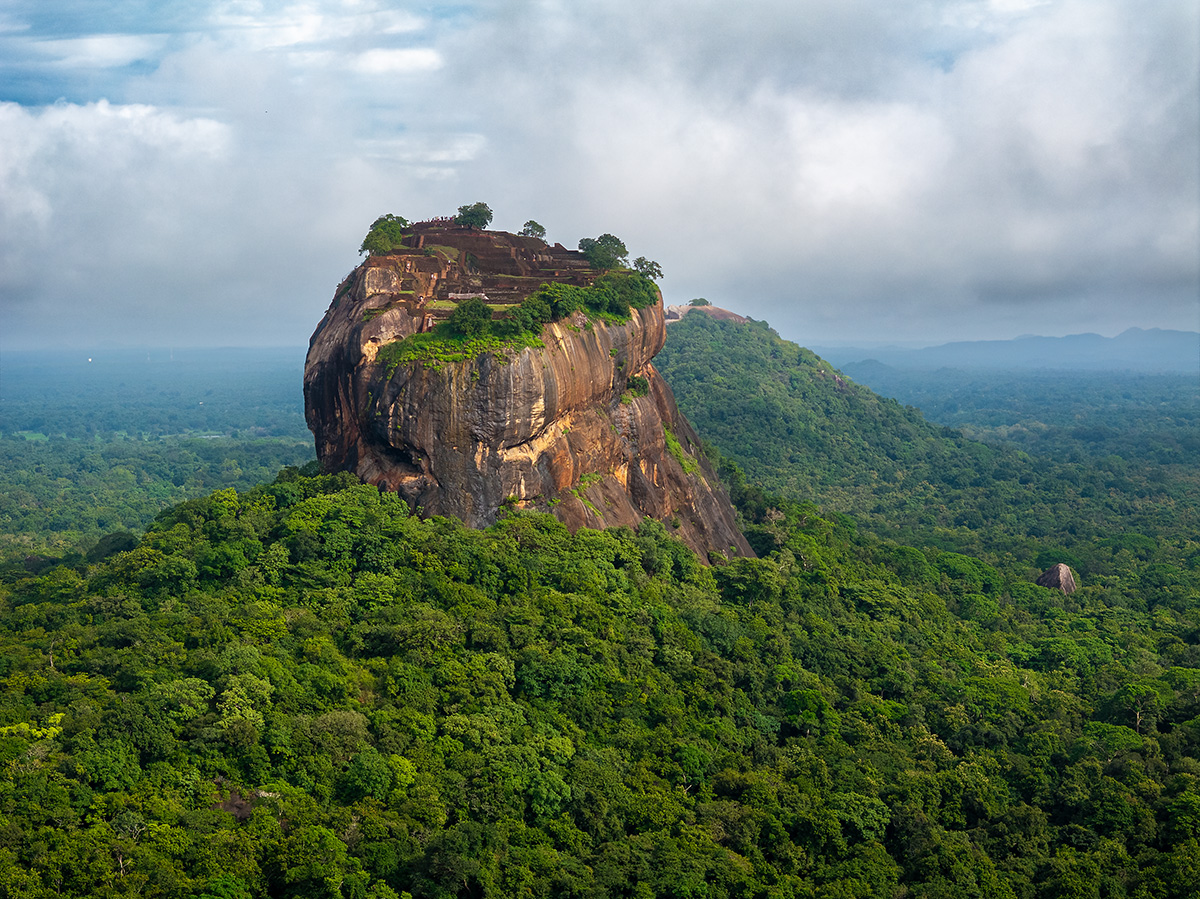


🗺 Explore Sri Lanka by Region
Sri Lanka unfolds best when explored by region — coast by coast, hills by hills, with space to slow down in between.
🏙 West Coast & Colombo
Arrival energy, city life, cafés, markets and practical bases for starting or ending your journey.

🌊 South Coast (Beaches + Surf Towns)
Easy beaches, cafés and classic coastal stops — with the surf towns included (because they’re part of the same coastline).


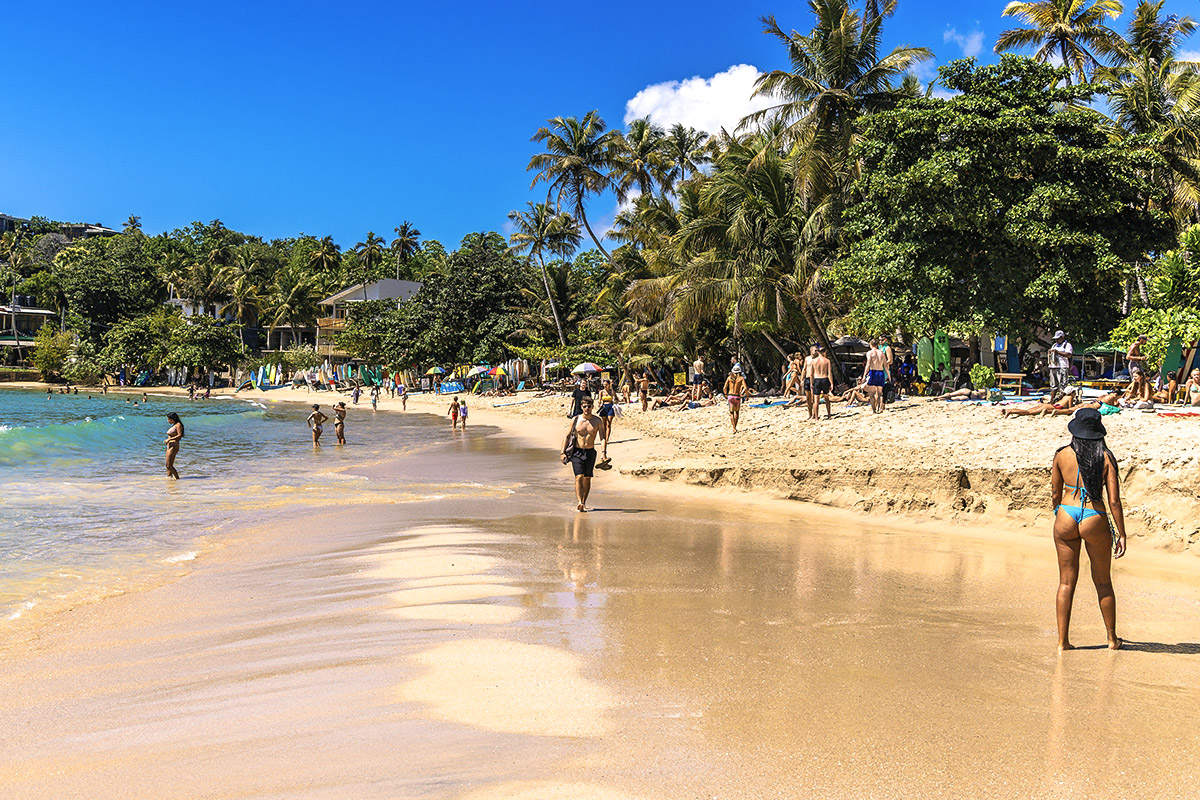
🌿 Deep South & Nature
Quieter beaches, lagoons, birds and long pauses — Sri Lanka at its softest.


🐆 Wildlife Region
Safari bases and national parks — planned carefully, experienced ethically.


🍃 Hill Country & Tea Region
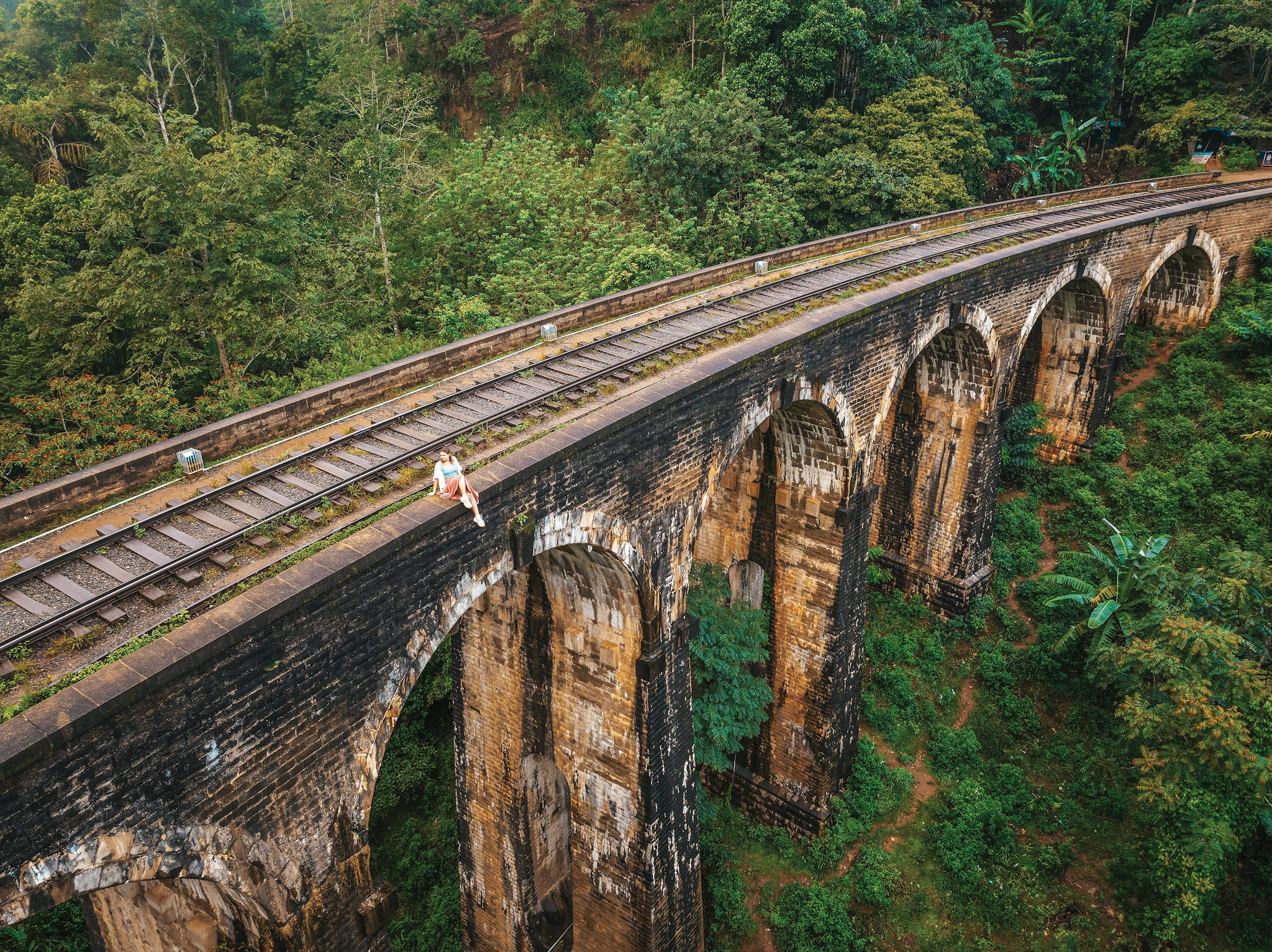
Misty hills, train journeys, waterfalls and cooler air — Sri Lanka’s slower, greener interior.
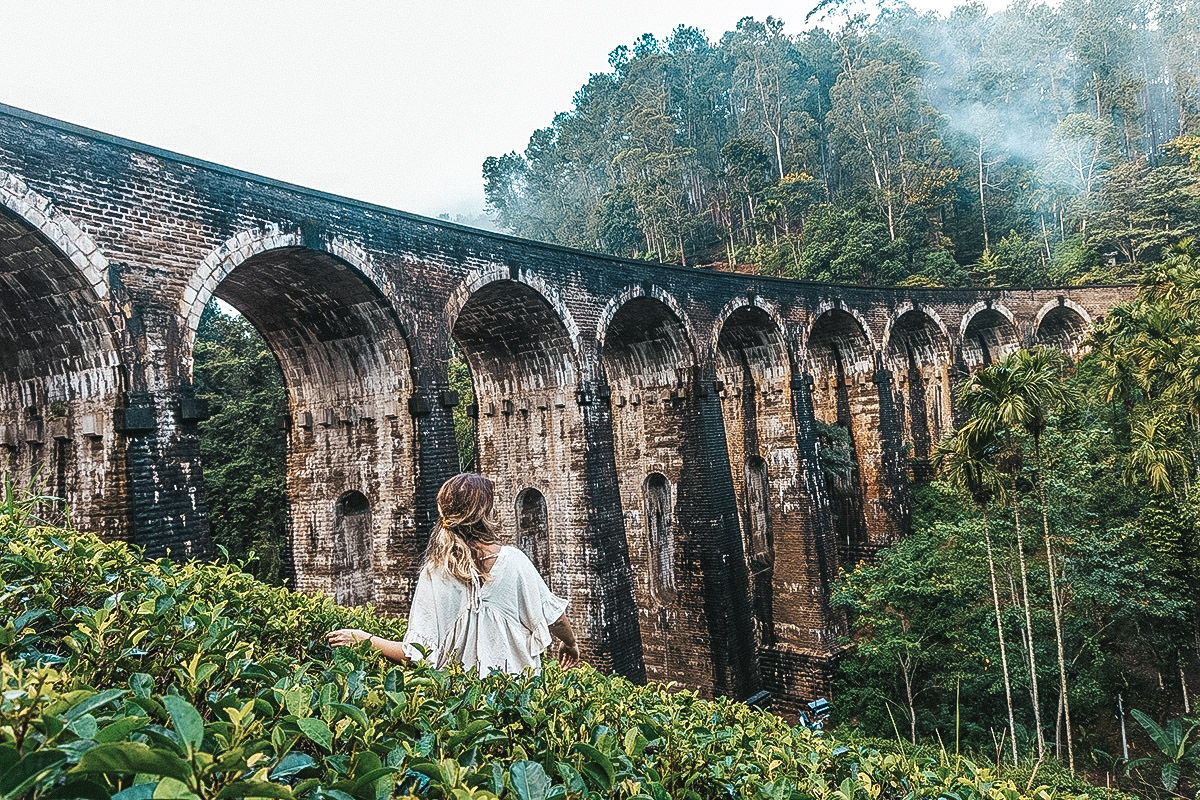


🏛 Cultural Triangle
Ancient cities, sacred temples and Sri Lanka’s deep historical layers — best explored slowly and with context.


🐆 Wildlife, Nature & Waterfalls in Sri Lanka
The calm version of Sri Lanka — where to go, when to go, and the small details that make the day feel easy.


🏄 Surf Coast Guide
Warm water, friendly breaks, and a slow beach rhythm that makes you stay longer than planned.

Beginner Surf: Weligama
Soft waves, long sandy beach, easy lessons — perfect for first rides and confidence.

Intermediate Surf: Hiriketiya
A small bay with more power and rhythm — ideal once you’re ready to progress.

Surf Near Mirissa
Small breaks and easy sessions nearby — for surf days that don’t take over your trip.

Quiet Beaches & Rest Days
Talalla, Goyambokka and nearby bays — swim, walk, breathe, recover.

Surf Safety & Conditions
Currents, reef vs sand, and how to read the ocean before you paddle out.

Best Surf Seasons
When each coast works best — wind, swell and simple planning without overthinking.
🏨 Where to Stay in Sri Lanka
Explore the best base areas across Sri Lanka — calm, practical guides built from real travel days, not random hotel lists.
🗺️ Sri Lanka Itineraries
Easy-to-follow routes for beaches, surf towns, lagoons and wildlife — without turning the island into a checklist.
7-Day South Coast Itinerary

Hikkaduwa → Mirissa → Weligama → Hiriketiya
10-Day Sri Lanka: Coast + Yala

South Coast loop → Tissamaharama → Yala National Park
2-Week Sri Lanka Itinerary

South Coast → Hill Country → Cultural Triangle
Sri Lanka Surf Coast Route

Weligama → Midigama → Hiriketiya with longer beach stays
Sri Lanka Wildlife Loop

Tissa → Yala → Bundala with ethical safari planning
Slow Travel Sri Lanka

Fewer bases, longer stays and time to settle into the island’s rhythm
💬 Useful Sinhala Phrases
Sinhala is spoken across most of Sri Lanka. You don’t need much — but a few respectful words are always warmly received, especially in smaller towns.
Hello / a respectful greeting
Good day
Thank you very much
Thank you
Please
Okay / alright
How much is this?
I don’t understand
How are you?
Very beautiful
That’s enough / I’m okay
Excuse me / sorry
Mint = Sinhala (spoken)
🌸 Plan Your Trip to Sri Lanka
🎬 Sri Lanka Travel Videos
Cinematic Sri Lanka diaries — ocean mornings, jungle roads, soft light and unhurried days.
🌿 Good to Know in Sri Lanka
Little things that make traveling in Sri Lanka smoother, kinder and more relaxed.
🙏 Temples & Sacred Places
Cover shoulders and knees, remove shoes and hats, and keep your voice soft. If there’s a ceremony happening, step aside and let locals move first.
🚕 Tuk-tuks & Taxi Apps
Ask the price before you get in, especially for short rides. In cities, PickMe and Uber can help avoid awkward bargaining and keep prices clearer.
😊 Slow, Warm & Polite
A calm tone and patience go a long way. People are often genuinely helpful — and a simple “istuti” (thank you) makes interactions softer.
🥥 Food & Water
Stick to bottled/filtered water and go gently if your stomach is adjusting. Fresh coconut is usually a safe favourite, and busy local spots tend to be the safest.
🌊 Ocean Safety
Some beaches have strong currents and sudden drop-offs. If locals aren’t swimming — that’s your answer. Choose calmer bays and always respect red flags.
🐒 Monkeys & Snacks
Don’t feed them, don’t leave food visible on balconies or scooters, and keep bags zipped. They’re clever, quick and totally unbothered.
🐘 Wildlife Etiquette
Choose ethical safaris, keep distance, and avoid any animal “performances”. The best wildlife moments happen when you let animals stay in control.
💸 Cash & Small Notes
Carry small notes for tuk-tuks, local cafés and markets. It makes everything smoother — and avoids the “no change” dance at the end of the day.
🌏 All Guides from Sri Lanka
Every Sri Lanka guide in one place — beaches, wildlife, surf towns and slow-travel stories, updated as new posts go live.
❓ Sri Lanka Travel FAQ
Sri Lanka is generally very safe and welcoming for travellers. Use normal awareness, especially in busy areas, follow local advice in national parks and respect ocean conditions on the coast.
It depends on the region. The south and west coasts are best from December to April, while the east coast shines from May to September. There’s almost always a good place to be somewhere on the island.
Most travellers need an electronic visa (ETA) before arrival. Requirements can change, so always check the official government site shortly before your trip.
10–14 days is ideal for a first visit, allowing time for the south coast, wildlife and one inland region. With two weeks or more, Sri Lanka really rewards slow travel and fewer base changes.
Yes, but it takes time. Distances are short, yet travel is slow. Many travellers use private drivers for day trips, trains for scenic routes, and apps like PickMe or Uber in larger towns.
Shoulders and knees should be covered, shoes removed, and hats taken off. Light, breathable clothing and a scarf are practical and respectful, especially in hot weather.
Continue Exploring Asia
Ready for more adventures? Dive into my other Asia travel hubs:


