
🇹🇭✨ Thailand Travel Guide: Where Golden Temples Meet Turquoise Shores
Thailand, the Land of Smiles, is a place where golden temples gleam beneath tropical skies, powdery beaches stretch endlessly along turquoise waters, and the scent of lemongrass drifts from every corner. If you’ve been craving a journey filled with color, culture, and calm – Thailand is calling.
The beaches alone feel like scenes from a dream. Islands like Koh Lipe and Koh Samui are fringed with palm trees and surrounded by crystal-clear sea, perfect for swimming, snorkeling, or simply soaking in the sunshine. Whether you’re chasing waterfalls, learning to dive, or sipping coconut water with your toes in the sand, island life here flows at its own magical pace.
And the food…
…oh, the food. Thai cuisine is a celebration of flavor—spicy, sweet, salty, and sour dancing in perfect harmony. Think steaming bowls of Tom Yum soup, fresh papaya salad, green curry with fragrant basil, and sweet mango sticky rice that melts on the tongue. Every bite tells a story.
While group tours are common, they often follow rigid schedules and leave little room for spontaneity. Planning your own trip means you get to follow your rhythm—stay longer in places that feel right, skip what doesn’t spark joy, or spend an entire afternoon doing nothing but watching the light shift over the sea. A bit more effort? Yes. But absolutely worth it.
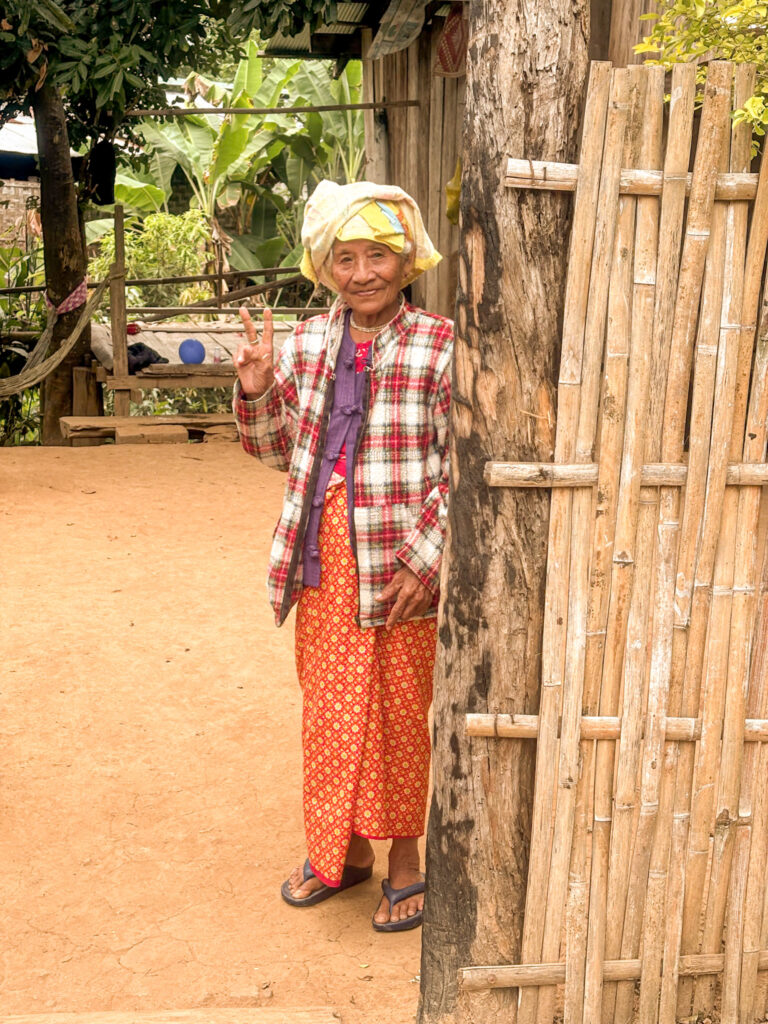
One of the most unforgettable parts of traveling through Thailand is the warmth of its people. Smiles come easily, hospitality is sincere, and even in the most remote villages, you’re likely to be greeted with kindness. The cultural charm softens any sense of unfamiliarity and makes every encounter feel personal.
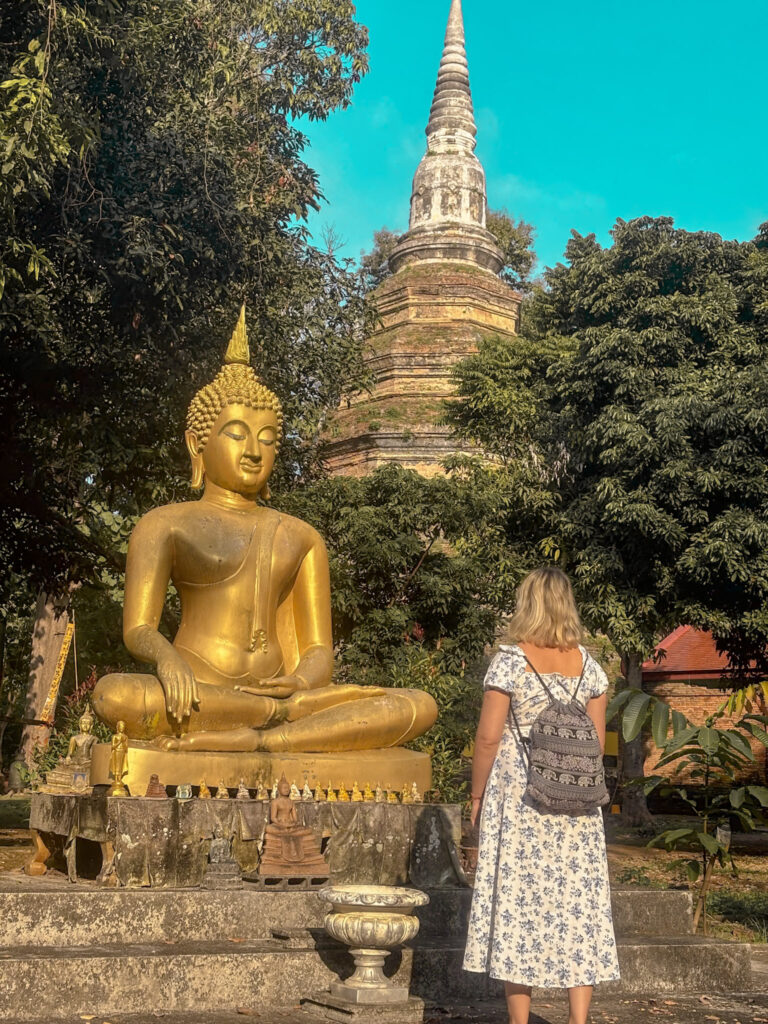
Whether you’re drawn to the dazzling architecture of ancient temples, the buzzing night markets glowing with lanterns, or the stillness of misty jungles, Thailand offers something for every kind of traveler. It’s a place where slow mornings turn into vivid adventures, and every day ends with a sunset worth remembering.
Thailand is not just a destination—it’s a tapestry of contrasts and harmony. From the electric pulse of Bangkok to the tranquil rhythms of island life, this country blends deep-rooted traditions with modern touches in the most seamless way.
Forget the stereotypes. Thailand is not just for party seekers or tropical escapists. It’s a country of depth and diversity, filled with sacred rituals, wild beauty, and everyday moments that stay with you long after your trip ends.
☀️ When to Visit Thailand: Choosing the Best Season
Thanks to its tropical climate, Thailand stays warm year-round, but picking the right time to visit can truly shape your experience. The year is divided into three main seasons, each offering something unique for different types of travelers:
🌤️ Cool Season (November to February)
This is generally considered the best time to visit Thailand. The weather is dry, skies are clear, and temperatures are pleasantly warm: perfect for sightseeing, temple hopping, and outdoor adventures. It’s also the high season, meaning popular destinations can get crowded and prices for flights and accommodation tend to rise. Still, the vibrant atmosphere and ideal conditions make it a favorite among travelers.
🔥 Hot Season (March to May)
Temperatures climb, humidity rises, and the sun blazes strong. It can be intense, especially inland, but this season also brings cultural excitement: Songkran, Thailand’s famous water festival in April, is an unforgettable celebration and a joyful way to cool down. If you don’t mind the heat and plan to stay near the coast or by a pool, it’s a great time to soak in the energy.
🌧️ Rainy Season (June to October)
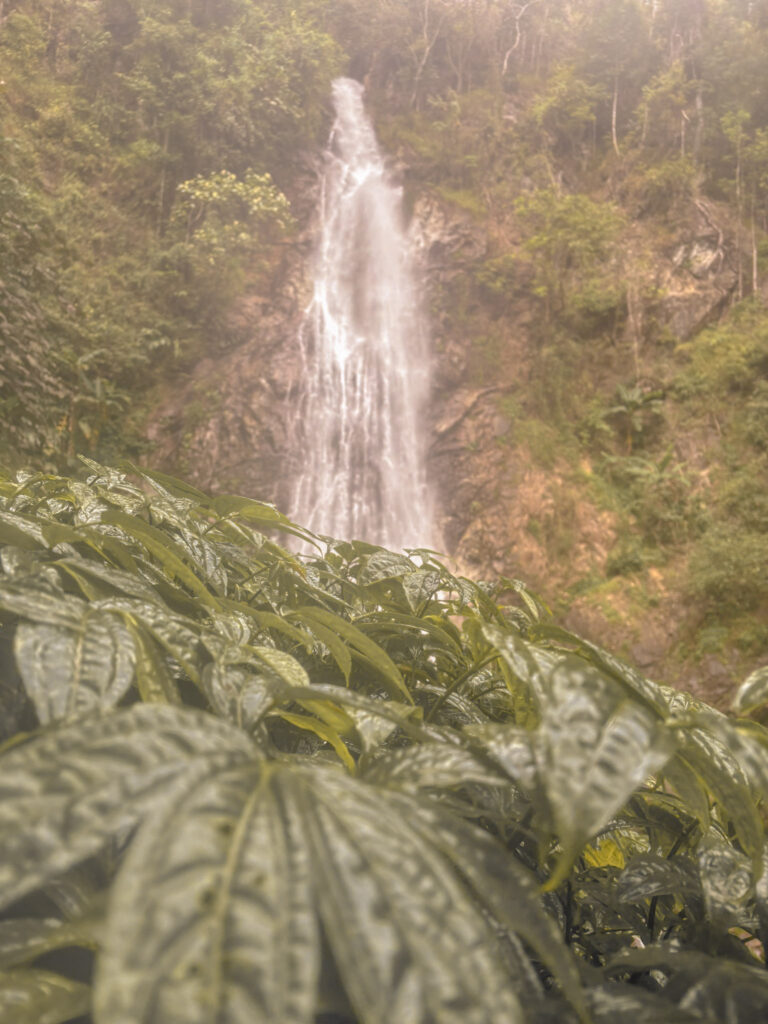
Expect sudden downpours, but don’t let that scare you off: rain showers are usually short-lived and followed by sunshine. In return, you’ll get lush green landscapes, thundering waterfalls, and fewer crowds. It’s also the most budget-friendly season, with lower prices and more space to breathe. For those seeking a quieter, more serene journey, the rainy season has its own charm.
When planning your trip, think about your preferred activities and comfort with heat and humidity. If you’re looking to explore temples, cities, and markets, the cooler months may suit you best. If your dream is to unwind on beaches or dive into tropical nature with fewer people around, the shoulder seasons can offer the perfect balance.
🛂 Visa & Travel Logistics for Visiting Thailand
Before you book your dream escape to Thailand, it’s important to understand the entry requirements and plan the logistics of your trip. The good news? For many travelers, entering Thailand is surprisingly simple.
✈️ Visa Requirements for Tourists (As of 2025)
Visa exemptions and durations vary depending on your nationality:
- 🇺🇸 United States: No visa needed for stays up to 60 days (air or land).
- 🇬🇧 United Kingdom: No visa required for up to 60 days.
- 🇨🇦 Canada: Visa-free entry for up to 60 days.
- 🇦🇺 Australia: No visa required for stays up to 60 days.
- 🇩🇪 Germany: Visa-free entry allowed for up to 60 days.
If you’re planning to stay longer, or if you’re entering for purposes other than tourism, it’s recommended to apply for a Tourist Visa at a Thai consulate or embassy before departure.
⚠️ Important: Immigration rules can change. Always double-check the latest entry conditions through your country’s Ministry of Foreign Affairs or the official Thai e-visa website: thaievisa.go.th
✅ Key Entry Tips
- Your passport must be valid for at least 6 months from the date of entry.
- You may be asked to show proof of onward travel (like a return or exit ticket).
- Overstaying your visa can lead to fines or bans, so keep an eye on your dates.
🛫 Flights to Thailand
Direct flights to Thailand are available from major cities across the world. If you’re flying from the US, UK, Canada, Australia, or Europe, you’ll likely transit through major hubs such as Doha, Dubai, Singapore, or Istanbul.
Some of the most popular airlines offering smooth connections to Bangkok or Phuket include:
- Qatar Airways
- Emirates
- Singapore Airlines
- Thai Airways
- Turkish Airlines
- Cathay Pacific
For the best fares, try searching via Skyscanner or Google Flights, and book at least 1–2 months in advance.
🧾 Travel Insurance
A must-have. Make sure your policy includes:
- Medical emergencies
- Trip cancellations or delays
- Lost luggage
- Coverage for activities like diving or motorbiking (if you plan on trying those)
Many destinations in Thailand are remote, so comprehensive coverage gives you peace of mind.
💉 Vaccinations & Health
While no mandatory vaccinations are required for entry into Thailand for most travelers, the following are recommended if you want to be extra careful :
- Hepatitis A & B
- Typhoid
- Tetanus
- Japanese Encephalitis (if traveling to rural areas or during the rainy season)
It’s always wise to consult with a travel health clinic a few weeks before departure.
💳 Money & Currency Tips
The currency in Thailand is the Thai Baht (THB). Here’s how to handle your finances smartly while traveling:
- ATMs are widely available, especially in cities and tourist areas. Expect a 220 THB (~6 USD) fee per withdrawal from foreign cards.
- Exchange offices are common. Compare rates before exchanging and count your cash before leaving the counter to avoid mistakes.
- Avoid frequent small withdrawals to save on ATM fees—withdraw larger amounts when safe.
- For excellent exchange rates and budgeting, consider using travel-friendly cards like Wise or Revolut. These let you convert your home currency to Baht at near-market rates and often reduce ATM fees.
📱 SIM Cards & Mobile Internet
Thailand has excellent mobile coverage and cheap data plans. For seamless communication, navigation, and bookings, grab a local SIM card on arrival.
Recommended providers:
- TrueMove H (great coverage + unlimited data options)
- AIS
- DTAC
You can purchase a SIM card at the airport after landing—look for the kiosks just past immigration. Plans with unlimited internet for 7–30 days are super affordable (typically under $10–20 USD). If your phone supports eSIM, many providers let you activate it in minutes.
🏨 Accommodation Booking Tips
For finding hotels, hostels, and unique stays:
- Use Booking.com for flexible options (free cancellation, verified reviews)
- Use Agoda for great last-minute deals in Asia
For smooth payments and security, book online with your travel card and avoid walk-in pricing at busy tourist spots.
💰✨ Budgeting Your Trip to Thailand: What to Expect
Thailand is often seen as a budget-friendly destination—but costs can vary greatly depending on your travel style and where you go. Compared to neighboring countries, Thailand is slightly more expensive—yes, even more than Bali in many aspects—but it still offers excellent value, especially if you travel smart.
What makes Thailand unique is its incredible range: you can spend very little and still enjoy rich experiences, or go all out on luxury if you’re feeling indulgent.
💡 Fun fact: A fancy latte can cost more than a full street food meal—and local beer isn’t far behind! If you’re traveling on a budget, keep an eye on those “little luxuries.”
🛍️ 7-Eleven Is Your Best Friend
These convenience stores are everywhere—even in tiny villages. At 7-Eleven you can grab:
- Decent iced or hot coffee for under €1
- Hot sandwiches or ready-to-eat meals (they’ll heat them up for you)
- Local snacks and desserts
- A surprisingly wide range of pharmacy items, skincare, supplements, and even reliable over-the-counter medicine for headaches, motion sickness, coughs, and more (tip: always carry motion sickness tablets for long trips or ferries!)
🏡 Accommodation (Per Night)
| Style | THB Range | EUR | USD | AUD |
|---|---|---|---|---|
| Budget (Hostel, simple guesthouse) | 300–800 | €7–20 | $8–22 | A$13–33 |
| Mid-range (Hotel, boutique stay) | 800–2500 | €20–64 | $22–69 | A$33–105 |
| Luxury (Resort, private villa) | 2500+ | €64+ | $69+ | A$105+ |
🍜 Food Costs
| Meal Type | THB Range | EUR | USD | AUD |
|---|---|---|---|---|
| Street food (Pad Thai, soup, rice dishes) | 30–100 | €0.75–2.50 | $0.85–2.75 | A$1.25–4.15 |
| Local restaurants | 100–300 | €2.50–7.50 | $2.75–8.30 | A$4.15–12.50 |
| Western restaurants | 300+ | €7.50+ | $8.30+ | A$12.50+ |
💡 Pro tip: Eat like a local—Thailand’s street food is not only delicious, it’s safe, fast, and full of flavor.
🚙 Transport Costs
| Transport Type | THB Range | EUR | USD | AUD |
|---|---|---|---|---|
| BTS/MRT in Bangkok | 15–50 | €0.40–1.30 | $0.40–1.40 | A$0.60–2.10 |
| Tuk-tuk ride (short distance) | 100–200 | €2.50–5.00 | $2.75–5.50 | A$4.15–8.30 |
| Domestic flights | 1000–3000 | €25–77 | $28–83 | A$42–125 |
🧘 Activities & Attractions
| Activity | THB Range | EUR | USD | AUD |
|---|---|---|---|---|
| Temple entrance fee | 50–500 | €1.30–13 | $1.40–14 | A$2.10–21 |
| Thai massage (1 hr) | 200–500 | €5–13 | $5.50–14 | A$8.30–21 |
Some attractions (like the Grand Palace in Bangkok) or unique experiences (like visiting elephant sanctuaries or taking cooking classes) may cost more—but they’re often well worth the splurge.
🎒 Other Costs to Consider
- Shopping – Clothes, natural cosmetics, tea, and handicrafts are popular (and often affordable!) souvenirs.
- Nightlife – Cocktails in touristy bars can cost as much as a Western city (€5–10 / $6–11), but local bars and beach huts are much cheaper.
- Unexpected expenses – Always keep a small buffer for surprises—whether it’s a ferry change, an extra night in paradise, or a last-minute adventure.
💡 Tip: Popular areas like Phuket, Koh Samui, and Ao Nang are typically more expensive than quieter destinations like Chiang Rai, Pai, or Trat. Travel a little off the beaten path to stretch your budget further.
🚐✨ Getting Around Thailand: Practical Transportation Tips
Thailand is a large country with incredible diversity—from the misty mountains in the north to the dreamy islands in the south. But don’t let the distance fool you: it’s surprisingly easy (and affordable) to get around once you understand your options.
To give you an idea of scale: traveling from Chiang Rai in the north to the islands of the south spans over 1,650 kilometers—about the same as going from Oslo to Rome. So smart transport planning is key to a smooth and enjoyable journey.
✈️ Domestic Flights: Fast & Convenient
For long distances, flying is your best friend.
Low-cost airlines like Thai AirAsia, Nok Air, Thai Lion Air, and Bangkok Airways operate regular flights between major cities and islands.
- ✈️ Bangkok to Chiang Mai – ~1 hour
- ✈️ Bangkok to Phuket or Krabi – ~1.5 hours
- ✈️ Chiang Mai to Koh Samui – ~2 hours (Bangkok Airways only)
💡 Tip: You can often find great last-minute deals—even during high season—just a day or two before your flight. Use Skyscanner, 12Go Asia, or airline apps directly.
🚆 Trains: Scenic & Comfortable
Thailand’s trains are ideal for slow travel lovers. The overnight train from Bangkok to Chiang Mai is a classic experience—clean, safe, and budget-friendly.
- Sleeper cabins (fan or A/C) are available.
- Book early during high season—seats sell out weeks in advance.
- Great for saving on a night of accommodation while enjoying the views.
🚌 Buses: Affordable & Extensive
Thailand has an extensive bus network with different comfort levels—ranging from local minibuses to VIP buses with reclining seats, snacks, and onboard toilets.
- Perfect for routes like Chiang Mai to Pai, Bangkok to Koh Chang, or Krabi to Phuket.
- Buy tickets at bus terminals, local travel agencies, or online via 12Go Asia.
🚖 Taxis & Grab: Easy, Especially in Cities
Taxis are widely available in cities—but always ask to use the meter, or agree on a price in advance. For a more reliable and transparent option, download Grab (Southeast Asia’s version of Uber).
With Grab, you can:
- Choose from cars, luxury rides, or even scooters
- See the price upfront
- Pay with cash or link a card
- Schedule rides in advance
💡 Tip: For long-distance or remote-area transfers, hiring a private driver via Grab or a local service may cost a bit more, but gives you door-to-door comfort, speed, and flexibility—especially with luggage or multiple travelers.
🛺 Tuk-Tuks: Iconic but Tricky
These three-wheeled rides are part of the Thailand experience—colorful, bumpy, and a little chaotic. Great for short rides in towns like Ayutthaya or Chiang Mai, but beware in Bangkok, where some tuk-tuk drivers overcharge or take tourists on unwanted shopping detours.
- Always negotiate the price beforehand
- Expect to pay more than a regular taxi or Grab
- Worth it once for the experience!
⛴️ Ferries, Speedboats & Longtail Boats
For island hopping or reaching beach towns, boats are essential. Depending on your route and budget, you’ll find:
- 🚤 Speedboats – fast but pricier and often bumpy
- 🚢 Ferries – stable, large, and affordable
- 🛶 Longtail boats – traditional and scenic, used for short island hops or secret beach access
In Bangkok, hop-on-hop-off boats along the Chao Phraya River are one of the fastest and most scenic ways to get around. They’re cheap, cool, and a fantastic way to see riverside temples and palaces.
🧥 Stay Warm in Transit
Thai buses, trains, and even planes often crank the A/C to arctic levels—sometimes as low as 15°C, while it’s 35°C outside.
Pack a light hoodie, scarf, or hat in your day bag—you’ll thank yourself later.
🏨✨ Where to Stay in Thailand: Finding the Right Accommodation for You
Thailand has something for every traveler—whether you’re looking to splurge on a beachfront villa or stretch your budget with a cozy guesthouse. The range is huge, and the quality-to-price ratio is often much better than in Western countries. That said, prices can add up quickly, especially if you’re hopping from place to place. A little planning goes a long way.
Here’s a breakdown of the most common accommodation types in Thailand—and how to choose the best one for your style of travel.
🌴 Luxury Resorts
Found in popular areas like Phuket, Koh Samui, Krabi, and Chiang Mai, these resorts offer world-class facilities: infinity pools, spas, private beach access, and gourmet dining.
Great for couples, honeymoons, or travelers who want a relaxing break with all the comforts.
💡 What to expect: Daily housekeeping, beautiful design, buffet breakfasts, and stunning locations—but also higher prices and more tourists.
🧿 Boutique Hotels
Stylish and often inspired by local architecture or art, boutique hotels are a sweet spot between comfort and affordability. You’ll find them everywhere—from beach towns to jungle retreats and even tucked in Bangkok’s historic districts.
💡 Why choose this: Unique atmosphere, personal service, and a more immersive local vibe—often at mid-range prices.
🛖 Guesthouses & Family-Run Homestays
Ideal for budget travelers who want a clean, basic place to sleep. Many are charming and family-owned, especially in towns like Pai, Ayutthaya, or smaller islands like Koh Yao Noi.
💡 Things to know: Some have shared bathrooms or minimal amenities, but you often gain friendly local advice, home-cooked meals, and a quiet setting.
🎒 Hostels
Perfect for solo travelers or digital nomads looking to meet people. Hostels range from party-central dorms in Bangkok to peaceful, design-focused hostels in Chiang Mai.
💡 Tips: Check for privacy curtains, lockers, and female-only dorm options if that matters to you. Read reviews carefully—some hostels are loud or basic.
🏡 Airbnb & Short-Term Rentals
Available in cities and larger towns, Airbnbs can offer a “local” experience, full apartments, or even jungle villas. Great if you want to cook your own meals, stay longer, or have more space to work or relax.
💡 Note: Airbnb isn’t always cheaper than hotels, and not all listings are legal—double-check reviews, Wi-Fi speed, and location before booking.
🔍 What to Look Out For When Booking
Even if you’re on a budget, don’t go for the absolute cheapest place without checking these essentials:
✅ Hot water – not always standard in budget stays
✅ Mosquito protection – especially near jungle or rice fields (look for window screens or mosquito nets)
✅ Noise levels – check if it’s near a main road, nightclub, or temple with early morning bells
✅ Location – being central saves money and time on transport
✅ Wi-Fi quality – if you’re working remotely or love YouTube downtime
💡 Extra Tip: Book your first night or two in advance (especially when arriving in a new town), then explore on foot or by scooter and negotiate prices directly if you want to extend or move elsewhere.
You can find great deals on:
- Booking.com – best for hotels, guesthouses, and hostels (filter by reviews and facilities)
- Agoda – especially good in Asia for local stays and hidden discounts
- Airbnb – ideal for long stays or privacy
🧳 Whether you’re a backpacker, a digital nomad, or on a slow honeymoon journey—Thailand has the right bed waiting for you. Just match it to your pace, your budget, and the experience you want to create.
🛡️🌺 Travel Safety in Thailand: What You Should Know
Thailand is widely regarded as one of the safest countries in Southeast Asia for travelers. The atmosphere is friendly, the crime rate is relatively low, and millions of tourists visit each year without issues. Still, like anywhere in the world, a bit of awareness and common sense goes a long way toward keeping your journey smooth and stress-free.
🧠 Stay Smart & Aware of Common Scams
While most locals are kind and genuine, tourist areas—especially in large cities—can attract petty scams. Some things to look out for:
- Tuk-tuk or taxi overpricing – Always agree on a price upfront or use Grab for transparent fares.
- “The temple is closed” scam – If someone tells you a popular temple is closed and offers an alternative tour, it’s likely a trick to get you into overpriced shops.
- Jet ski & motorbike scams – Rent only from reputable agencies and photograph the vehicle from all angles before use.
- Fake police or “friendly helpers” – If someone seems too eager to assist, be cautious. Trust your instincts.
🌙 Transport & Night Travel
- Stick to reliable transport—especially at night. Use Grab, trusted taxis, or book transfers through your accommodation.
- Avoid poorly lit areas late at night, especially if you’re alone or in unfamiliar surroundings.
- When traveling between cities or islands, book through official websites or reputable agencies. Always double-check your pickup point and time.
🦟 Health: Mosquitoes, Hydration & Heat
- Mosquito-borne diseases like dengue and (rarely) malaria are present in some regions. Use repellent (DEET-based is best), cover up in the evenings, and consider mosquito nets near forests or rural areas.
- Stay hydrated! Tropical heat can sneak up on you. Carry a reusable water bottle and sip regularly.
- Sun protection is essential—even on cloudy days. Use high SPF sunscreen, wear a hat, and don’t underestimate the power of a midday break in the shade.
🕌 Respect Local Customs
- Dress modestly when visiting temples or religious sites—shoulders and knees should be covered.
- Always remove shoes before entering someone’s home or a sacred space.
- Public displays of affection are frowned upon in temples and rural communities.
- Never point your feet toward a Buddha statue or step on Thai currency (which bears the image of the King).
💡 Keep Your Belongings Close
- Thailand isn’t known for violent crime, but pickpocketing can happen in crowded places, night markets, or clubs.
- Carry a crossbody bag or small anti-theft backpack, and keep valuables (like your passport or larger cash sums) in your hotel safe when not needed.
- Be mindful in nightlife districts, where drinks can be spiked, especially in party hotspots.
🚫 Zero Tolerance for Drugs
Thailand has very strict drug laws. Even small amounts can lead to serious jail time or worse.
Do not accept, carry, or use any illegal substances under any circumstances.
🚿 A Note on Water Safety
Bottled or filtered water is recommended for drinking.
However, there’s no need to panic—it’s totally fine to shower, wash your face, or brush your teeth with tap water in most areas. There’s no need to go overboard like some travel forums suggest. Just drink clean, and you’ll be fine.
✨ Note
Use your instincts, stay curious, and respect the culture—and Thailand will welcome you with open arms. It’s a country that feels incredibly safe, especially for solo travelers and first-time visitors. Stay alert but don’t let fear take over. This journey is meant to be magical.
🌏✨ Planning Your Thailand Itinerary: Exploring the Main Regions
Thailand is a vast and diverse country, offering landscapes that shift from misty mountains to sun-drenched beaches, ancient temples to buzzing cities. While many travelers dream of “seeing it all,” building a realistic itinerary takes a bit of thought—especially if your trip is under three weeks.
To put it in perspective: Thailand stretches over 1,650 km from north to south—nearly ten times longer than most people expect. Choosing your regions wisely, based on your interests, travel style, and season, will make your trip far more enjoyable.
Here’s a quick overview of Thailand’s main regions to help you start planning:
🏙️ Central Thailand: Culture, Chaos, and Hidden History
This region is the beating heart of the country—colorful, bold, and full of contrast. At its center lies Bangkok, a mega-city where golden temples shimmer beside steel skyscrapers, where saffron-robed monks stroll past street food stalls and luxury malls buzz with life.
Bangkok isn’t just a capital city—it’s an entire universe. From floating markets to rooftop bars, tuk-tuk rides to tranquil canals, it’s a place that can easily turn days into weeks.
🌟 Don’t Miss in Central Thailand:
- Bangkok: Temples, night markets, shopping, boat rides, and endless food.
- Ayutthaya: A UNESCO-listed ancient capital filled with evocative temple ruins and historical charm.
- Kanchanaburi: Home to the famous Bridge over the River Kwai, the lush Erawan Waterfalls, and peaceful riverside guesthouses.
- Damnoen Saduak: Thailand’s most iconic floating market, a sensory feast of colors, sounds, and flavors.
🏞️ Northern Thailand: Temples, Mountains, and Misty Mornings
Northern Thailand feels like stepping into a fairytale. Cool mountain air, incense drifting from hillside shrines, and a deep connection to tradition define this soulful region. It’s home to glittering temples, bamboo bridges, cascading waterfalls, and forest-covered hills where elephants roam freely and locals live slowly.
Cities like Chiang Mai and Chiang Rai are rich in culture and creativity, while places like Pai and Mae Hong Son offer a more peaceful, rustic escape.
🌟 Highlights of Northern Thailand:
- Chiang Mai: A cultural hub known for its temples, artisan crafts, markets, cooking schools, and cool weather.
- Chiang Rai: Gateway to the Golden Triangle, home to the surreal White Temple (Wat Rong Khun) and dramatic northern landscapes.
- Pai: A laid-back mountain town beloved by backpackers, filled with hot springs, waterfalls, and slow travel vibes.
💡 Best time to visit: November to February for cooler temperatures and clear skies.
🏝️ Southern Thailand: Beaches, Islands, and Tropical Bliss
Southern Thailand stretches like a green finger down the Malay Peninsula, offering a paradise of turquoise seas, limestone cliffs, and palm-fringed beaches. Whether you’re chasing island sunsets, jungle waterfalls, or underwater adventures, the south delivers all the postcard-perfect moments you’re dreaming of.
You’ll find two coastlines here:
- The Andaman Sea (west coast): known for dramatic scenery and famous islands like Phuket, Krabi, and Koh Phi Phi.
- The Gulf of Thailand (east coast): calmer waters and laid-back islands like Koh Samui, Koh Phangan, and Koh Tao.
🌟 Top Spots in Southern Thailand:
- Phuket: Thailand’s largest island, with vibrant nightlife, stunning beaches, and luxury resorts.
- Krabi (Ao Nang, Railay Beach): Ideal for island-hopping, climbing, kayaking, and jungle exploration.
- Koh Samui: A tropical escape with dreamy beaches, chic resorts, and lush inland waterfalls.
- Koh Phangan: More than just Full Moon parties—think quiet bays and jungle hikes.
- Koh Tao: One of the best places in Southeast Asia for affordable scuba diving.
💡 Travel tip: Choose your coast based on the season—Andaman coast is best from Nov–April, while the Gulf side shines from May–Sept.
🌅🌴 Eastern Thailand: Coastal Contrasts & Hidden Charm
Eastern Thailand may not be as widely talked about as the southern islands, but it holds a quiet magic of its own—full of contrasts, character, and unexpected beauty.
Just a couple of hours from Bangkok, Pattaya has transformed from a sleepy fishing village into a buzzing seaside city. Known for its vibrant nightlife, entertainment scene, and water sports, it offers non-stop energy—but also some quieter corners to relax by the sea if you know where to look.
Further east, Koh Chang (literally “Elephant Island”) offers a completely different rhythm: lush jungle, cascading waterfalls, sleepy fishing villages on stilts, and long beaches that invite you to slow down, breathe deeply, and just be. Often overlooked by mainstream tourism, it’s a paradise for those seeking nature, space, and simplicity.
🌟 Highlights of Eastern Thailand:
- Pattaya: Close to Bangkok, full of life, nightlife, and beach activities—but also home to peaceful temples and quiet viewpoints if you explore beyond the crowds.
- Koh Chang: Thailand’s third-largest island and a nature lover’s dream. Great for hiking, snorkeling, kayaking, or simply relaxing in a hammock with a coconut in hand.
🌾🕉️ Northeastern Thailand (Isaan): Off the Beaten Path & Deeply Authentic
If you’re craving an experience untouched by mass tourism, Isaan—Thailand’s northeastern region—is where to go. This vast, agricultural heartland stretches along the Lao and Cambodian borders, offering a glimpse into the most traditional way of Thai life.
Here, ancient Khmer-style temples rise from the rice fields, sticky rice and spicy papaya salad rule the table, and villages move to the gentle rhythm of the Mekong River. You won’t find party beaches or shiny resorts here—but you’ll discover depth, sincerity, and silence.
It’s a region of festivals, folklore, and true immersion—a secret many travelers don’t even know they missed.
🌟 Highlights of Isaan:
- Khao Yai National Park: A UNESCO World Heritage site teeming with wildlife, rainforest trails, and stunning viewpoints. Great for nature lovers and photographers.
- Ubon Ratchathani: Famous for its Candle Festival and ancient temples; also a gateway to Mekong river adventures.
- Nakhon Phanom & Nong Khai: Peaceful towns on the Mekong with riverfront promenades, views into Laos, and deep spiritual traditions.
💡 Note: While English is less commonly spoken here, a few local phrases and a smile will go a long way.
📍 Mix & Match: Crafting Your Dream Thailand Itinerary
Thailand’s diversity is one of its biggest strengths—and the best way to experience it is by combining different regions. A balanced two-week itinerary might look like this:
- Days 1–3: Explore the vibrant chaos and hidden beauty of Bangkok
- Days 4–8: Head north to Chiang Mai, Pai, or Chiang Rai for mountains, temples, and culture
- Days 9–14: Wind down in the south—Krabi, Koh Lanta, or Koh Samui—for beaches, sunsets, and island time
Or swap in a lesser-known area like Koh Chang or Isaan for a more off-the-beaten-path journey.
No matter how you travel, Thailand rewards every traveler with wonder, warmth, and that feeling of I could stay just a little longer…
🏝️☀️ Island Hopping in Thailand: A Dream Come True for Beach Lovers
If you dream of swaying palms, clear turquoise water, and soft white sand beneath your feet, Thailand’s islands are ready to steal your heart. From vibrant beach towns to untouched coves, this tropical paradise offers a beach experience that’s as laid-back or adventurous as you want it to be.
The Thai coastline is dotted with islands of all sizes and vibes, each with its own rhythm and charm. Whether you’re looking to dive with sea turtles, chase waterfalls, or simply unwind with a coconut in hand, there’s an island for every kind of traveler.
🌴 Popular Island Destinations to Consider
- 🏝️ Phi Phi Islands – Famous for their dramatic limestone cliffs, crystal-clear lagoons, and postcard beaches (yes, this is The Beach from the movie). Best for boat tours, snorkeling, and vibrant nightlife.
- 🌊 Koh Lanta – Quieter and more relaxed, this island is perfect for travelers seeking long stretches of peaceful beach, yoga by the sea, and a slower pace. Great for families or couples.
- 🐠 Koh Tao – A diver’s paradise. With colorful coral reefs, calm bays, and affordable dive schools, it’s one of the best places in Southeast Asia to get certified or enjoy fun dives.
- 🌕 Koh Phangan – Known for the legendary Full Moon Party, but there’s so much more—hidden beaches, scenic viewpoints, and a laid-back yoga and wellness scene in the island’s north.
- 🌿 Similan Islands – Part of a protected national park, this group of islands is open seasonally (typically mid-October to mid-May) and offers world-class diving and snorkeling in crystal-clear waters teeming with marine life.
🚤 Island Hopping: How to Make It Happen
Island hopping is one of the best ways to experience Thailand’s coast. With ferries, speedboats, and longtail boats connecting most major islands, it’s easy to craft a flexible itinerary that blends beach time with exploration.
- Book ferry tickets through platforms like 12Go Asia, or through your hotel.
- During high season (November to April), book in advance to secure your spot.
- For longer rides (especially to places like Koh Lipe), check the weather and bring motion sickness tablets (Dramamine or local options are widely available).
- Waterproof bags are essential for boat transfers—you will get splashed!
💡 Pro tip: Pack light! Rolling a suitcase on a sandy pier is no one’s idea of paradise.
🌿 Travel Sustainably: Protect What You Came For
Thailand’s islands are breathtaking—but they’re also fragile ecosystems. As visitors, we have the power to protect them.
✅ Choose eco-conscious resorts or homestays that minimize waste and protect local nature.
✅ Say no to single-use plastics (bring your own water bottle and tote bag).
✅ Don’t touch or stand on coral reefs. Even the tiniest damage can take decades to repair.
✅ Respect local wildlife and communities—travel slowly, spend locally, and leave places better than you found them.
✨ Whether you’re hopping from island to island or settling into one perfect bay, the Thai islands are pure magic. Let the tides guide you, the sunsets ground you, and the warm sea remind you that sometimes… paradise is real.
⛰️💦 Adventure Travel in Thailand: Thrills for the Wild at Heart
If you crave more than just lounging under a palm tree, Thailand delivers. With its dramatic mountains, tropical waters, jungle trails, and ancient traditions, this country is a paradise for adrenaline lovers and outdoor explorers alike.
From cliff climbing to underwater worlds, rafting wild rivers to flying through rainforest canopies, there’s no shortage of ways to feel your heart race in the Land of Smiles.
⚡ Top Adventure Activities in Thailand
🧗 Rock Climbing in Krabi
The limestone cliffs of Railay Beach are legendary among climbers from around the world. Whether you’re a beginner or a seasoned pro, you’ll find routes with jaw-dropping ocean views—and a whole community of climbers to join you.
🤿 Scuba Diving & Snorkeling
The Gulf of Thailand and Andaman Sea are home to vivid coral reefs, whale sharks, turtles, and tropical fish in every color imaginable. Top diving spots include Koh Tao, the Similan Islands, and Koh Lanta. Great for both certified divers and first-timers.
🌊 Whitewater Rafting in the North
Northern Thailand offers wild jungle rivers, especially around Mae Taeng River near Chiang Mai. Ideal during rainy season (June–October), rafting here is both scenic and thrilling—with rapids, waterfalls, and lush forest all around.
🌿 Jungle Ziplining in Chiang Mai
Soar above treetops and glide between platforms on epic canopy tours, some of which are over a kilometer long. Ziplining is a fun, family-friendly way to experience the rainforest from a whole new angle.
🥊 Muay Thai Training
Step into the ring and try Thailand’s national sport. Across the country, from Bangkok to Pai, you’ll find Muay Thai training camps offering one-day intro sessions or longer programs for those who want a deeper dive into discipline and strength.
💧 Waterfall Treks
Thailand is full of cascading waterfalls—some hidden in national parks, others flowing just off the roadside. Hike to Huay Mae Khamin, Erawan Falls, or Pha Suam, take a jungle shower, or swim in emerald pools under the trees.
🐘 Ethical Wildlife Encounters: Elephant Sanctuaries
For a deeper and more meaningful experience, consider spending a day (or two) at an ethical elephant sanctuary in Northern Thailand. These programs allow you to feed, observe, and sometimes even bathe rescued elephants—without riding or chains.
Top-rated sanctuaries (like those near Chiang Mai or Mae Hong Son) prioritize animal welfare, conservation, and education. It’s an unforgettable way to connect with these gentle giants while supporting responsible tourism.
🧭 Travel Smart: Safety & Sustainability
- Always book your adventures through reputable operators who follow safety standards and respect the environment.
- Look for eco-certified or community-run experiences—especially when it involves wildlife or national parks.
- Make sure your travel insurance covers adventure sports, including diving, rafting, and ziplining (some basic plans don’t).
✨ Adventure in Thailand doesn’t just get your heart racing—it opens your eyes, awakens your senses, and leaves you with stories you’ll never forget. From rain-soaked jungle trails to underwater coral gardens, this country offers the kind of thrill that feeds the soul.
🗣️🌸 Essential Thai Phrases Every Traveler Should Know
While English is widely spoken in Thailand—especially in tourist areas—communication can still be tricky due to accents and pronunciation. Google Translate is a helpful companion, but learning just a few Thai phrases can truly transform your travel experience.
A simple greeting or “thank you” in Thai is more than polite—it shows respect for the culture and often brings big smiles and warmer interactions. Locals genuinely appreciate the effort, even if your pronunciation isn’t perfect.
💡 Fun fact: Thai is a tonal language, so words can have different meanings based on tone. But don’t stress—just try your best, and most people will understand (and encourage you with a smile!).
💬 Must-Know Thai Phrases for Travelers
| Thai Phrase | Meaning | Notes |
|---|---|---|
| Sawasdee kha / khrap | Hello / Goodbye | “Kha” for women, “khrap” for men |
| Khob khun kha / khrap | Thank you | Add a smile—it goes a long way! |
| Mai pen rai | No worries / It’s okay / You’re welcome | A Thai mantra—expect to hear it a lot |
| Chai / Mai chai | Yes / No | Simple and super useful |
| Nee tao rai? | How much is this? | Great for markets and shops |
| Pud pasa ang-grit dai mai? | Do you speak English? | Most younger people do, at least a bit |
| Hong nam yoo tee nai? | Where is the bathroom? | Hong nam = restroom |
| Aroi | Delicious | Say this at every food stall 😋 |
| Mai phet | Not spicy | Essential if you’re sensitive to heat! |
| Chok dee | Good luck / Cheers | Lovely phrase for farewells or toasts |
🌿 Tips for Speaking Thai as a Traveler
- Use polite particles:
- “Kha” (for women) and “Khrap” (for men) are added at the end of polite sentences.
→ Example: “Sawasdee kha” (Hello, from a woman)
- “Kha” (for women) and “Khrap” (for men) are added at the end of polite sentences.
- Thai people are incredibly welcoming and don’t expect fluency. Even small efforts are met with encouragement.
- Don’t be afraid to gesture or point—it’s totally normal and helpful in conversations.
💡 Pro tip: If you’re unsure how something is pronounced, show the Thai phrase written out (on your phone or a phrasebook). It often helps more than trying to say it!
✨ Language opens hearts. Just a few words can build trust, break down barriers, and make your trip so much richer. So go ahead—say “Sawasdee” with confidence. Thailand will smile right back at you.
🍲🌶️ Thai Cuisine: A Flavorful Journey for the Senses
Thailand is a land where food is more than a meal—it’s a celebration of life. From the first bite, Thai cuisine enchants the senses with its bold flavors, vibrant colors, and fragrant herbs. It’s a beautiful dance of opposites: sweet meets salty, spicy meets sour, and creamy meets crisp—all in perfect harmony.
At the heart of Thai cooking lies a balance between five essential tastes: sweet, sour, salty, bitter, and spicy. Together, they create dishes that are exciting, layered, and deeply satisfying.
🔥 Thai food is often spicy—but it doesn’t have to be overwhelming.
If you’re sensitive to heat, you can say:
🌶️ “Mai phet” (not spicy)
🌶️🌶️ “Phet nit noi” (a little spicy)
🌶️🌶️🌶️ “Phet tamada” (medium spicy)
Most places will happily adjust the spice level for you.
🍜 Must-Try Dishes in Thailand
Pad Thai
A classic Thai stir-fry of rice noodles with shrimp or chicken, tofu, bean sprouts, egg, and crushed peanuts—often served with lime and chili flakes. A street food staple and an easy favorite.
Tom Yum Goong
A hot and sour soup made with shrimp, lemongrass, galangal, lime leaves, and chili. Aromatic, punchy, and deeply warming—perfect for lovers of bold flavors.
Green Curry (Gaeng Keow Wan)
Creamy coconut-based curry with green chili, Thai eggplant, bamboo shoots, and your choice of meat or tofu. It’s rich, spicy, and aromatic—usually served with jasmine rice.
Som Tam (Papaya Salad)
A refreshing, spicy-sour salad made from shredded green papaya, garlic, chili, lime, fish sauce, and peanuts. A beloved street food dish especially popular in northeastern Thailand (Isaan).
Khao Soi
A northern specialty that’s part soup, part curry. Made with egg noodles in a rich, coconut curry broth, topped with crispy noodles, pickled mustard greens, shallots, lime, and chili oil. Comforting and full of depth.
Mango Sticky Rice (Khao Niew Mamuang)
A heavenly dessert of sweet sticky rice topped with slices of fresh mango and drizzled with coconut milk. Simple, beautiful, and unforgettable.
🛵 Street Food Culture: A Delicious Way of Life
Street food isn’t just convenient in Thailand—it’s an institution.
From morning markets to late-night stalls, Thai street vendors offer some of the country’s best bites for just a few baht.
✅ Look for busy stalls with lots of locals—that’s usually your best sign of freshness and flavor.
✅ Dishes are typically cooked to order, and the turnover is high, which means food is hot and safe.
✅ Try small portions of many things—there’s so much to taste.
Popular street snacks include:
- Satay skewers with peanut sauce
- Banana roti (sweet fried pancake)
- Fried chicken with sticky rice
- Fresh fruit with chili-sugar-salt dip
- Thai iced tea (Cha Yen)
💧 Stay Healthy While You Eat Adventurously
Thailand’s food scene is amazing—but your stomach may need a few days to adjust, especially with spice or unfamiliar ingredients.
🧳 Pack these in your travel kit:
- Activated charcoal or natural remedies for stomach upset
- Probiotics (start a few days before your trip if possible)
- Basic over-the-counter meds just in case
🚫 Avoid:
- Raw seafood from unknown sources
- Tap water
✅ But don’t be overly cautious! Enjoy fresh fruit, smoothies, juices, and salads—they’re part of what makes Thailand so refreshing and unique. Just make sure you drink only bottled or filtered water, and you’ll be fine.
✨ Thai food is more than something you taste—it’s something you feel. It tells stories of tradition, family, and place. Whether you’re savoring noodles at a roadside cart or sipping soup under a canopy of jungle trees, every bite is an adventure.
🙏🌸 Understanding Thai Culture: Respectful Travel Tips for Visitors
To truly embrace Thailand and all its magic, it helps to understand a few key aspects of local culture. Thai society is warm, welcoming, and deeply rooted in values like harmony, humility, and respect. Learning a little about these cultural norms not only shows appreciation—it also opens doors to deeper, more meaningful connections.
🧘♀️ The Importance of Harmony & “Saving Face”
One of the most important concepts in Thai culture is “saving face”—the idea of preserving dignity, avoiding confrontation, and maintaining a peaceful atmosphere. Emotional outbursts, shouting, or aggressive behavior are considered deeply inappropriate, especially in public.
While directness is common in many Western cultures, in Thailand, communication tends to be gentle, non-confrontational, and subtle. A smile often replaces a complaint. If something goes wrong, staying calm, kind, and polite will almost always yield better results.
💡 Tip: If you need to raise an issue, do it privately and with a light tone. A little patience and grace go a long way here.
👑 Royal Respect Is Non-Negotiable
Respect for the Thai royal family is not just a cultural value—it’s the law. The monarchy holds a sacred place in Thai society, and criticism or jokes about the King or royal family are not tolerated.
You’ll notice images of the royal family displayed in public spaces, homes, and even temples. Visitors should always show respect, and it’s best to avoid discussing politics or monarchy altogether.
🛕 Buddhism & Sacred Spaces
Thailand is predominantly Buddhist, and the religion deeply influences daily life—from temple rituals to family traditions. Visitors are warmly welcomed in temples, but there are important guidelines to follow:
- Dress respectfully: Cover your shoulders, chest, and knees. Avoid sleeveless tops, short skirts, or anything too revealing.
- Remove your shoes before entering temples or someone’s home.
- Keep your head lower than Buddha statues or monks when sitting or walking past.
- Women should avoid physical contact with monks, including handshakes or passing items directly.
💡 Tip: Carry a lightweight scarf or sarong—it’s the easiest way to cover up when needed.
🤝 Greetings & Body Language
Instead of handshakes, Thai people greet each other with the wai—a beautiful, respectful gesture where you place your palms together in a prayer-like position and gently bow your head. It’s used to say hello, goodbye, thank you, and to show gratitude or apology.
- You don’t need to wai in every situation, but returning the gesture when someone offers it is a sign of respect.
- Avoid pointing with your feet or touching anyone’s head—the head is considered the most sacred part of the body, while feet are seen as the lowest and least clean.
- Public displays of affection are uncommon and best kept minimal in traditional or rural areas.
🌿 Note: Travel Gently
Thai culture is full of grace, kindness, and quiet strength. As a visitor, the best thing you can do is travel with curiosity and an open heart—listen more, observe often, and always lead with respect.
Every “wai,” every quiet smile, every moment of cultural mindfulness brings you closer to the soul of Thailand. And that, truly, is the most beautiful souvenir of all.
🛍️✨ Shopping in Thailand: What to Buy and Where to Find It
Shopping in Thailand is more than just a way to bring home souvenirs—it’s an experience. From buzzing night markets and floating stalls to sleek malls with rooftop gardens, every purchase comes with a story. The country offers an incredible variety of handcrafted goods, designer pieces, and natural products—often at much lower prices than in Europe or North America.
Whether you’re strolling through lantern-lit bazaars or hunting down luxe skincare, Thailand will tempt you at every corner.
🌺 What to Buy in Thailand
🌸 Thai Silk
World-renowned for its vibrant colors and fine weave, Thai silk makes a beautiful gift. Look for scarves, dresses, cushion covers, and wall hangings—especially in Chiang Mai and Bangkok.
🪵 Handicrafts
From intricately carved wooden bowls to tribal textiles and handmade ceramics, Thailand’s artisan scene is thriving. You’ll find especially unique pieces from hill tribes in the north, often sold directly by the makers at local markets.
🧴 Spa & Wellness Products
Thailand is the birthplace of herbal wellness. Stock up on massage oils, lemongrass balms, coconut-based skincare, and herbal compresses. Many are natural, cruelty-free, and beautifully packaged.
💍 Jewelry
Thailand is one of the world’s top producers of sapphires and rubies. You’ll also find silver jewelry and locally designed statement pieces—just be sure to buy from reputable stores if you’re investing in gemstones.
🌶️ Spices & Teas
Take the taste of Thailand home with you. Packets of dried lemongrass, galangal, kaffir lime leaves, curry pastes, and jasmine or butterfly pea tea make for flavorful (and lightweight) souvenirs.
🧭 Where to Shop in Thailand
🛒 Chatuchak Weekend Market (Bangkok)
One of the largest markets in Southeast Asia, this sprawling maze of 15,000+ stalls sells everything from indie fashion to antiques, plants, street food, and pet supplies. Come early, wear comfy shoes, and be ready to explore.
🎑 Chiang Mai Night Bazaar
The ultimate spot for handicrafts, embroidered bags, and lantern-lit street food stalls. Open every evening, and ideal for browsing, bargaining, and soaking in local creativity.
🛍️ ICONSIAM (Bangkok)
If you prefer modern shopping, head to this upscale riverside mall. It blends luxury brands with Thai designers and features an indoor floating market and art installations. Great for rainy days and upscale treats.
🚤 Floating Markets (e.g. Damnoen Saduak, Amphawa)
Yes, they’re touristy—but they’re also visually stunning and full of character. Ideal for photos, snacks, and gifts like hand-painted fans or spice sets.
💬 Shopping Tips for Travelers
- Haggling is expected at markets—do it with a smile and keep it fun. It’s part of the cultural dance.
- Prices are fixed in department stores, boutique shops, and malls.
- Avoid buying Buddha statues or religious artifacts for export. Some are illegal to take out of the country, especially antiques.
- Always check customs regulations in your home country before purchasing valuable goods, gemstones, or large quantities of spices and herbs.
💡 Tip: Bring an extra bag or leave room in your suitcase—you’ll want to bring a lot more home than you planned.
✨ Shopping in Thailand is a sensory delight: bright colors, soft silks, fragrant teas, glowing lanterns, and warm conversations. Whether you’re treasure hunting or just wandering through a night market with sticky rice in one hand and silk scarf in the other—you’ll never forget the joy of shopping here.
🌏💛 So… are you ready to begin your Thailand adventure?
The temples are waiting. The street food is sizzling. The sunsets are painting the sky in gold and coral. Thailand isn’t just a destination—it’s a feeling. A rhythm. A story you’ll keep telling long after you’ve returned home.
Start planning today. Book that flight, dust off your backpack, and open your heart to a journey filled with flavor, color, and kindness. Whether you’re chasing waterfalls in the north, drifting through island coves in the south, or getting lost in Bangkok’s glowing chaos—Thailand will find a way to stay with you.
Your adventure begins the moment you say yes. ✨


