
The scent of rain drifts over the rice terraces, the air feels heavier, greener — and somehow calmer.
Visiting Bali in the rainy season isn’t a mistake; it’s a secret few travelers discover.
From November to March, the island slows down under soft tropical showers, the waterfalls roar to life, and mist wraps the mountains of Ubud and Munduk like silk.
Many imagine monsoon months mean endless downpours, but the truth is different — most days start bright and sunny, with only short, refreshing bursts of rain in the afternoon. The wet season in Bali brings a new rhythm: quieter beaches, lower prices, and landscapes at their lushest.
This is your 2026 Guide to Bali in Rainy Season — what to expect, where to go, what to pack, and how to fall in love with the island’s wet months.
Planning your Bali trip? Read next: Ultimate Bali Travel Guide

🌧️ When Is Rainy Season in Bali?
Bali’s rainy season usually lasts from November to March, bringing short, warm bursts of tropical rain that feed the island’s lush greenery and powerful waterfalls.
Unlike the long grey monsoons you might imagine, showers in Bali often arrive in the late afternoon, leaving mornings bright and perfect for exploring temples, beaches, and rice terraces.
The shoulder months — October and April — mark the transition between wet and dry seasons. During these weeks, the island is greener, rainfall is lighter, and skies often clear by midday — ideal for travelers who want the best of both worlds.


☔️ Rainfall by the regions:
Rainfall also varies depending on where you are:
- Northern Bali (Munduk, Lovina): heavier and longer showers — perfect for misty mountain views, coffee plantations, and roaring waterfalls.
- Central Bali (Ubud, Sidemen): steady but short tropical rains that keep the rice terraces glowing green.
- Southern Bali (Canggu, Seminyak, Uluwatu): usually drier, with brief evening showers followed by glowing sunsets and clear coastal air.
💡 Insider tip: The rainy months are also when Bali’s waterfalls are at their strongest — and crowds are at their thinnest.

📊 Average Monthly Rainfall in Bali (mm)
Here’s a quick look at Bali’s monthly rainfall and temperatures — perfect for planning your trip around the island’s changing seasons.
💡 How to Read This Table
- ☀️ Best travel months: May – November → dry, sunny, and perfect for beaches & outdoor exploring.
- 🌦️ Transition months: October; March & April → occasional light showers, lush landscapes, fewer crowds.
- 🌧️ Rainiest months: December – February → short but heavy tropical rains, dramatic skies, and vibrant greenery.
Even during the wettest months, mornings are usually bright — plan early and you’ll still enjoy plenty of sunshine.
🔗 Check real-time forecasts on BMKG Indonesia’s official site or Weather.com.


🌦️ What Is the Weather Really Like? (During Rainy Season)
If you imagine endless grey skies and heavy rain, you’ll be pleasantly surprised.
In Bali’s rainy season, showers usually come as short, tropical bursts — dramatic for a few minutes, then gone as quickly as they arrived.
Mornings are often bright and sunny, perfect for exploring temples, waterfalls, or beaches. Around mid to late afternoon, clouds gather, rain falls in thick warm drops, and within an hour the air feels clean again — the kind of freshness only tropical rain can bring.

Humidity rises during these months (typically 80–85%), but it’s part of what makes Bali’s landscape so vibrant. Average daytime temperatures stay around 27–28°C (81–82°F) year-round, so even during the wet season, Bali remains warm and tropical — you’ll likely wear the same light summer clothes every day.
Rice fields shimmer in electric green, jungles turn dense and fragrant, and waterfalls roar back to life. The air feels thicker but cleaner — perfect for photographers chasing that soft, misty light over Ubud’s rice terraces, Munduk’s highlands, or Sidemen’s valleys.
💡 Myth to Forget: It rains all day. Not true. Even during the wettest weeks, you’ll still enjoy hours of sunshine, especially in the mornings. With flexible plans — and maybe a poncho in your bag — the rainy season won’t stop your adventures. It will simply make them greener, calmer, and quieter.

🌿 Pros and Cons of Visiting Bali in the Rainy Season
Every season shows a different Bali, but the rainy months between November and March reveal a side most tourists never see — quieter, greener, and deeply soulful. When the first drops fall, the island exhales; farmers smile as rice fields flood, frogs sing at dusk, and the air smells of wet earth and incense.
Yet, traveling in the wet season requires a bit of flexibility. Rains can shift plans, roads can get muddy, and ferries to Nusa Penida or the Gilis occasionally pause. But for every challenge, there’s a reward: lower prices, peaceful temples, and photo moments that look straight out of a dream.


Here’s the honest picture 👇
Pros & Cons of Visiting Bali in the Rainy Season
| ✅ Pros | ⚠️ Cons |
|---|---|
| Lush landscapes and vibrant colors | Sudden afternoon downpours |
| Fewer tourists and quieter attractions | Short-notice schedule changes |
| Lower hotel and flight prices | Humidity can feel intense |
| Easier photo moments — softer light, fewer people | Some boats and hikes may close temporarily |
| Waterfalls at their best | Need to pack waterproof gear |
Even with a few afternoon showers, most days offer long sunny stretches for sightseeing. With flexible plans and a curious heart, you’ll discover a quieter, more authentic Bali — one that locals know and love during the wet months.
💡 Insider tip: If you love photography, this is your season — overcast skies make colors pop, reflections shine after rain, and morning mist adds cinematic depth to Bali’s rice terraces and jungle paths.
🌈 Why the Rainy Season Might Suit You Better
If you prefer slow travel and authenticity over crowds, this is your season. The wet months transform Bali from a party island into a place of reflection — ideal for writers, photographers, couples, and mindful travelers. The island feels intimate; you can spend an entire morning at a temple and hear nothing but rain and chanting.

🌧️ Does Rain Really Affect Travel Plans?
Not as much as you might think.
Showers are usually short and predictable — you can plan hikes, temple visits, or photography sessions in the morning, then relax with a spa treatment, cooking class, or café time in the afternoon.
Many travelers say their “rainy-season Bali” photos turn out even better than dry-season ones — soft light, saturated greens, and misty temples make every scene look cinematic.
Even with occasional storms, Bali in the rainy season remains easy to explore. Once you accept that you’ll get a little wet, you’ll see the beauty in it — the rhythm of clouds, the smell of wet earth, the glow after rain. With flexible timing, good footwear, and a waterproof backpack, you’ll likely find more rewards than drawbacks.


🏝️ Best Areas to Stay During Rainy Season
The rains may come and go, but choosing the right base can make all the difference.
Some regions of Bali get drenched for hours, while others see only brief afternoon showers — so where you stay shapes how you’ll experience the island’s rainy season.
Below are the areas that balance comfort, scenery, and accessibility best during the wet months — each with its own rhythm, charm, and ideal traveler match 👇
🌿 Ubud – The Heart of the Rainy Season


If there’s one place that truly embraces Bali’s wet season, it’s Ubud. When the rain starts tapping on the rooftops and mist curls through the palm trees, the town feels like a living painting.
Mornings are usually bright and golden — perfect for wandering through the Tegallalang Rice Terraces, visiting Pura Taman Saraswati, or joining a Balinese cooking class. By the time the afternoon showers arrive, cafés hum softly with the sound of rainfall and the scent of roasted coffee.

Ubud’s rhythm fits the rain. You can spend entire afternoons in art galleries, yoga studios, or quiet jungle villas surrounded by green. The nearby waterfalls — Tegenungan, Tibumana, and Kanto Lampo — are at their most powerful this time of year, and the rice fields glow in impossible shades of emerald.
Find cozy stays in Ubud
Why stay here:
Ubud is the cultural and creative heart of Bali, and its elevation keeps temperatures slightly cooler and air fresher — ideal for travelers who prefer nature, culture, and slow days over beach crowds.
✨ Read Next
Continue exploring the magic of Ubud 🌸
🌴 Ultimate Bali Travel Guide (2025)
🌿 Ubud Travel Guide – Where Culture Meets Calm
💆♀️ Best Spas in Ubud – Perfect Rainy-Day Relaxation
💧 Can You Drink Tap Water in Bali?
🌾 Sidemen – Quiet Valleys and Lush Scenery


Hidden deep in East Bali’s fertile hills, Sidemen Valley feels like time has slowed to the rhythm of rain on banana leaves. During the rainy season, this peaceful area turns impossibly green — rice terraces shimmer like mirrors, Mount Agung hides behind clouds and then reappears dramatically after each downpour, and the air smells of wet grass and wood smoke.
While afternoon storms can be heavy, mornings are often crystal-clear and filled with soft light, perfect for a slow wander through the rice fields. Even when it rains, Sidemen doesn’t lose its charm — the valley simply becomes quieter, more intimate, and more alive with birds, frogs, and the distant hum of rivers.

💡 Insider tip: Bring a lightweight rain jacket and waterproof sandals — paths between rice paddies get muddy after showers, but the walks are worth it. Many villas provide umbrellas and can arrange transfers if rain changes your plans.
Why visit Sidemen in the rainy season:
- Landscape: everything is lusher — rice terraces, palms, and banana groves are at their most vivid.
- Atmosphere: calm, local, and slow; far from Bali’s crowds.
- Weather: showers come and go quickly; humidity is high, but evenings are cool.
- Experience: cozy stays overlooking misty valleys, yoga retreats, and farm-to-table dining.
Find cozy stays in Sidemen
Discover hand-picked stays surrounded by rice terraces and views of Mount Agung. From boutique eco-lodges to family-run villas, Sidemen is perfect for slow mornings and peaceful nights during Bali’s rainy season.
🌿 See top-rated Sidemen stays · Read Detailed Sidemen Travel Guide
🌧️ Munduk – Mist, Waterfalls, and Mountain Air


In Munduk, the rain isn’t an inconvenience — it’s part of the magic.
Perched high in the central highlands, this quiet mountain village is one of Bali’s greenest corners, where clouds roll through the jungle and waterfalls thunder down forested cliffs. During the rainy season, the air is cool and fragrant with clove and coffee blossoms, the paths are slick with moss, and every photo feels cinematic.
💡 Insider tip: Bring a light sweater, hoodie or fleece — evenings get chilly after rain. Waterproof shoes or sandals make forest paths safer, and a camera with a lens cloth is a must for misty landscapes.

The rains come often here, but they rarely last all day. Mornings are bright and clear — perfect for hiking through coffee plantations or visiting waterfalls like Munduk, Melanting, or Banyumala Twin Falls. By afternoon, mist drifts in, and lodges glow warmly with the smell of wood and spices in the air.


If you’re not comfortable driving through mountain rain, it’s best to hire a local private driver — it’s affordable, safe, and lets you enjoy the views without worrying about slippery turns or steep roads.
Explore stays in Munduk
Stay among coffee trees, mountain trails, and clouds that roll across your balcony. Munduk’s lodges and boutique eco-resorts are perfect for slow mornings, misty afternoons, and cozy nights by the fire.
Why visit Munduk in the rainy season:
- Nature at its peak: waterfalls are fuller, forests are greener, and wildlife is more active.
- Cooler weather: a refreshing break from Bali’s coastal humidity (average 22–25 °C).
- Peaceful atmosphere: far from the crowds, ideal for reading, writing, and slow mornings by the window.
- Sustainable stays: many eco-lodges here use local produce and support reforestation projects.
🌅 Southern Bali – Canggu, Seminyak & Uluwatu


If you prefer more predictable sunshine, the southern coast of Bali — from Canggu and Seminyak to Uluwatu — is your best bet during the rainy season. This region gets noticeably less rainfall than the island’s interior or north, and when showers come, they’re usually short bursts in the late afternoon or evening.
Days remain warm, beaches are lively, and sunsets glow through the remaining clouds — often creating stunning pink and gold skies after a quick tropical downpour.
Even in the wet months, cafés stay open late, surfers ride glassy waves, and Uluwatu’s cliffside temples look dramatic under moody skies.

💡 Insider tip: Book stays with covered terraces or rooftop lounges — you can watch passing storms roll across the ocean without leaving your seat (and often enjoy a rainbow or two).
Why stay in South Bali during the rainy season:
- Milder rain: short, light showers that rarely disrupt plans.
- Sunsets: more visible and colorful compared to central Bali.
- Convenience: close to the airport, easy transport to Ubud or Nusa Penida.
- Lifestyle: perfect for digital nomads, surfers, and social travelers who still want nightlife and beach cafés.
Find stays in South Bali
Stay close to the surf, sunsets, and vibrant beach cafés. This interactive map highlights top-rated accommodation across Seminyak, Canggu, and Uluwatu — ideal for travelers who want easy access to both relaxation and nightlife. Just zoom out and find your perfect location.
🌊 Nusa Penida & Gili Islands During Rainy Season


The smaller islands around Bali — Nusa Penida and the Gili Islands (including peaceful Gili Meno) — remain open during the rainy season, but travel depends entirely on the sea.
Between December and February, stronger winds and higher waves can sometimes cause delays or last-minute ferry cancellations, especially in the afternoons.
That said, if the weather cooperates, visiting these islands in the wet months can be a dream.
You’ll find fewer crowds, quieter beaches, and lower accommodation prices, while the sea often clears beautifully between short rain showers.
🏝️ Nusa Penida in the rainy season
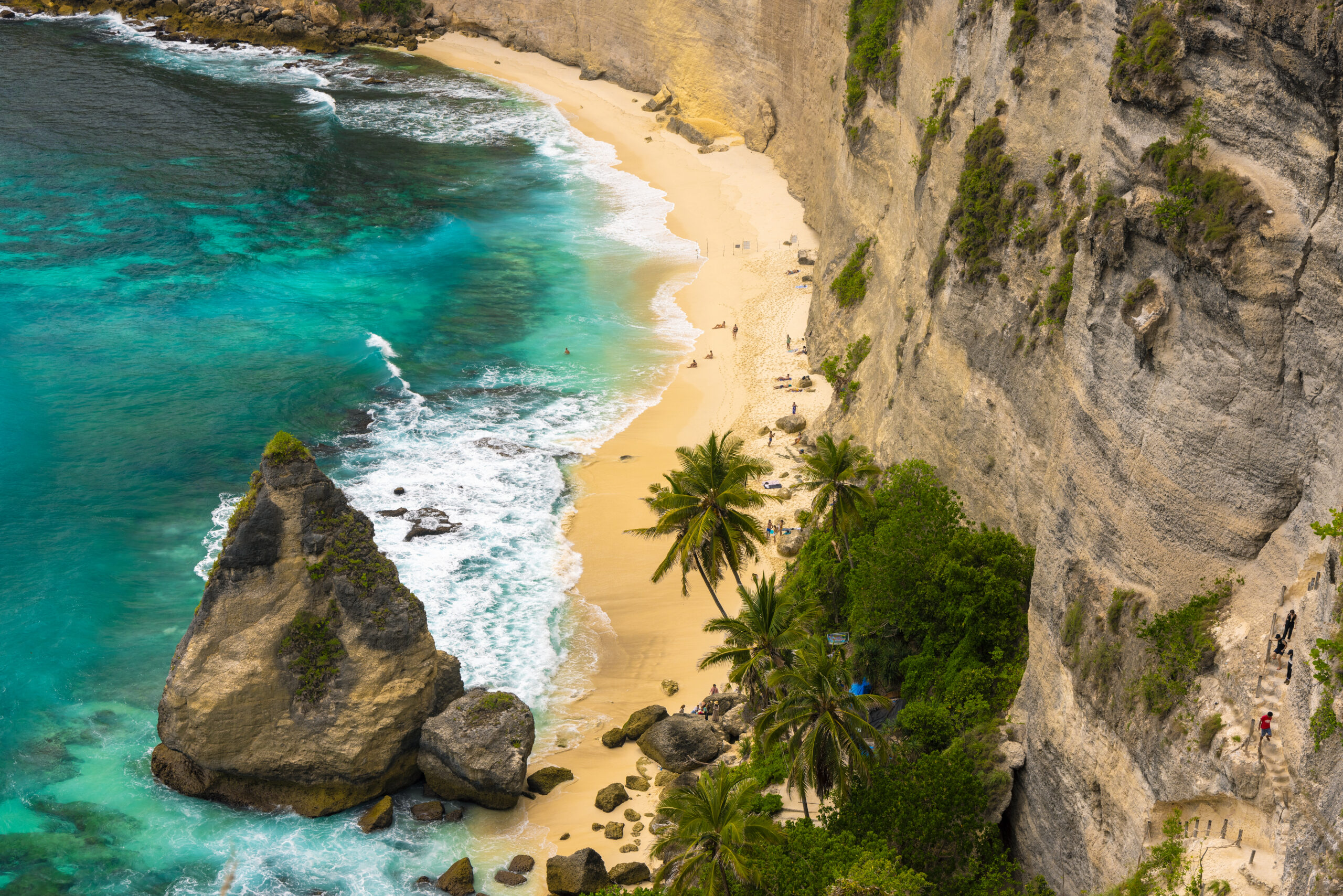

Nusa Penida is wilder and more exposed than Bali, so seas can get rough — but when the sun breaks through, it’s pure drama.
The island’s cliffs, especially Kelingking, Diamond Beach, and Broken Beach, look breathtaking under moody skies, and post-rain sunlight creates a surreal, cinematic glow perfect for photography.
💡 Insider tip: Visit early in the morning before the wind picks up, and hire a local driver instead of a scooter — roads can be slippery after rain.
🐢 Gili Islands in the rainy season


The Gilis — Meno, Air, and Trawangan — are calmer but still influenced by sea conditions.
During the rainy season, mornings are usually bright and clear, great for snorkeling with turtles or walking the beaches before brief afternoon showers.
On Gili Meno, the quietest of the three, you’ll often have entire stretches of beach to yourself.
💡 Insider tip: Bring a light waterproof bag and keep an eye on weather apps or local marine forecasts. Fast boats between Padangbai and the Gilis may reschedule during rough seas — always book flexible transfers with open return options.
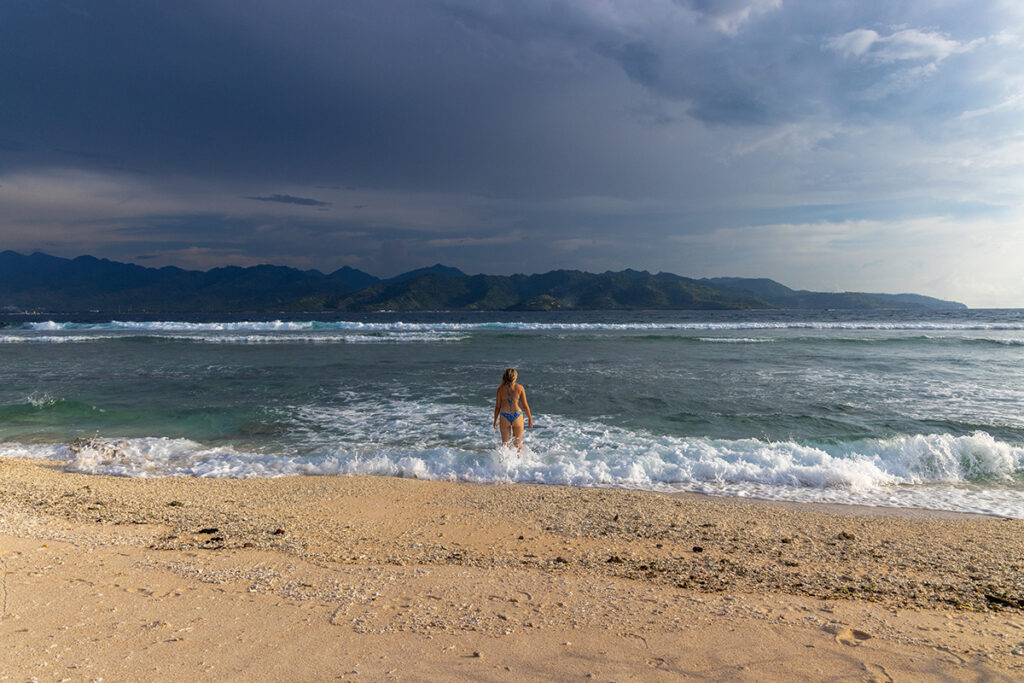

Even during Bali’s wet months, the nearby islands keep their magic — just in a quieter, moodier way.
If you’re dreaming of empty beaches, gentle mornings, and snorkeling with turtles, Gili Meno is pure serenity after the rain.
And for a wilder, cinematic escape where cliffs glow gold between passing storms, Nusa Penida will steal your heart even in the rainy season.
🌈 Choosing Your Rainy-Season Base


If it’s your first rainy-season trip, base yourself in Ubud or Sidemen for balanced weather, lush landscapes, and easy access to both mountains and coast.
Combine it with a few days in South Bali for beaches, sunsets, and lively cafés — and add Munduk or Nusa Penida if you’re craving more nature and don’t mind a little adventure.
Each region has its own rhythm, charm, and ideal conditions — here’s how they compare during Bali’s wet months.
Bali Regions During the Rainy Season
| Region | Rain Level | Best For | Quick Link |
|---|---|---|---|
| 🌿 Ubud | 🌦️ Moderate – short afternoon rain | Culture, yoga, cafés, central location | Ubud Travel Guide |
| 🌾 Sidemen | 🌧️ Moderate–Heavy | Nature, rice fields, couples retreats | Sidemen Guide |
| 🌧️ Munduk | 🌧️🌧️ Heavy – frequent mountain mist | Waterfalls, hiking, eco-lodges | Munduk Guide |
| 🌅 South Bali (Canggu, Seminyak, Uluwatu) | ☀️ Light – brief evening showers | Surf, beaches, nightlife | Bali Travel Guide 2025 |
| 🌊 Nusa Penida | 🌦️ Moderate – sea-dependent | Photography, adventure, viewpoints | Nusa Penida Guide |
| 🐢 Gili Meno | 🌧️ Moderate – calm mornings, cloudy afternoons | Snorkeling, peaceful escapes, couples | Gili Meno Guide |
☀️ Drier · 🌦️ Balanced · 🌧️ Wetter — use this table to plan your ideal base during Bali’s rainy season.
🌧️ 12 Best Things to Do in Bali During the Rainy Season (Indoor & Outdoor)

Rain in Bali doesn’t stop the island — it simply slows it down, softens the light, and changes the rhythm.
Instead of hiding indoors, let the weather shape your days: calm mornings, moody afternoons, and golden evenings after a storm.
Whether you’re seeking culture, adventure, or cozy cafés, these are the best things to do in Bali during the rainy season — both indoors and out.
🧘♀️ 1. Indulge in Balinese Spa Rituals

There’s no better excuse for a long spa day than tropical rain tapping on the roof.
From flower baths in Ubud to deep-tissue massages overlooking jungle valleys, Bali’s spa scene is legendary and soothing during wet afternoons.
🪷 Try this: Balinese Massage & Flower Bath Experience – Ubud
💡 Book afternoon slots — that’s when the rain usually arrives.
📖 Read next: Best Spas in Ubud
🍳 2. Join a Balinese Cooking Class

Warm kitchens, fragrant herbs, laughter, and the smell of lemongrass — rainy days are made for cooking.
Learn to make nasi goreng, sate lilit, or fresh coconut sambal alongside local chefs in a family compound.
🍲 Recommended: Traditional Balinese Cooking Class
📖 Read next: Food in Bali – best local dishes & night markets
☕ 3. Café-Hopping in Ubud or Sidemen
Watch the rain drift over rice paddies while sipping single-origin Balinese coffee.
Most cafés are open-air yet sheltered, so you’ll hear the rain but stay perfectly dry.
It’s the perfect time for journaling, writing, or editing travel photos.
🍵 Favorites: Kafe (Ubud), Taris (Seminyak)
🎨 4. Discover Indoor Culture & Art

Bali’s art galleries, museums, and craft workshops turn rainy afternoons into creative adventures.
Visit the Agung Rai Museum of Art (ARMA), Blanco Renaissance Museum, or the Ubud Art Market.
🖼️ Try this: batik-painting or silver-jewelry class
🕯️ 5. Join a Yoga or Meditation Class

When thunder rolls softly outside, a yoga shala becomes the coziest place on earth.
Practice mindfulness in serene studios like The Yoga Barn or Radiantly Alive in Ubud, or unwind at Udara Bali in Canggu with ocean views.
🧘♀️ Recommend: Yoga & Wellness Retreats
🌋 6. Hike Mount Batur at Sunrise
The Mount Batur sunrise trek is a year-round favorite — and misty wet-season mornings can be even more atmospheric.
Start before dawn and watch clouds swirl below your feet as the sun rises over Mount Agung.
🥾 Best time: Depart 2 a.m., summit by 6 a.m.
🌋 Book: Mount Batur Sunrise Trek with Breakfast
💡 Bring a waterproof jacket — mist often condenses at the top.
💦 7. Chase Waterfalls — They’re Strongest Now


The rainy season is waterfall season.
Sekumpul, Nungnung, Gembleng, …, all waterfalls roar with full power after rainfall.
Go early to avoid slippery paths and afternoon downpours — and always bring good shoes and a dry bag.
🏞️ Read next: Gembeleng waterfall
🚙 Hire a Private Driver for a Waterfall Circuit
🛵 8. Scenic Scooter or Car Drives


Morning rides between Ubud, Munduk, and Sidemen are breathtaking in the rainy season — mist curling over valleys, rainbows over rice fields, and locals tending to glistening terraces.
Showers come quickly but fade just as fast.
💡 Bring a poncho and stop often — even roadside temples look cinematic after rain.
📖 Read next: Sidemen travel guide
🪷 9. Visit Rice Terraces After the Rain


Right after a storm, Tegallalang and Sidemen Valley look surreal — reflections in water, deep green fields, and no crowds.
This is when photographers capture the most vivid colors.
📷 Best time to visit: 8–11 a.m.
📚 Read next: Ubud Travel Guide
🐒 10. Forest & Nature Walks
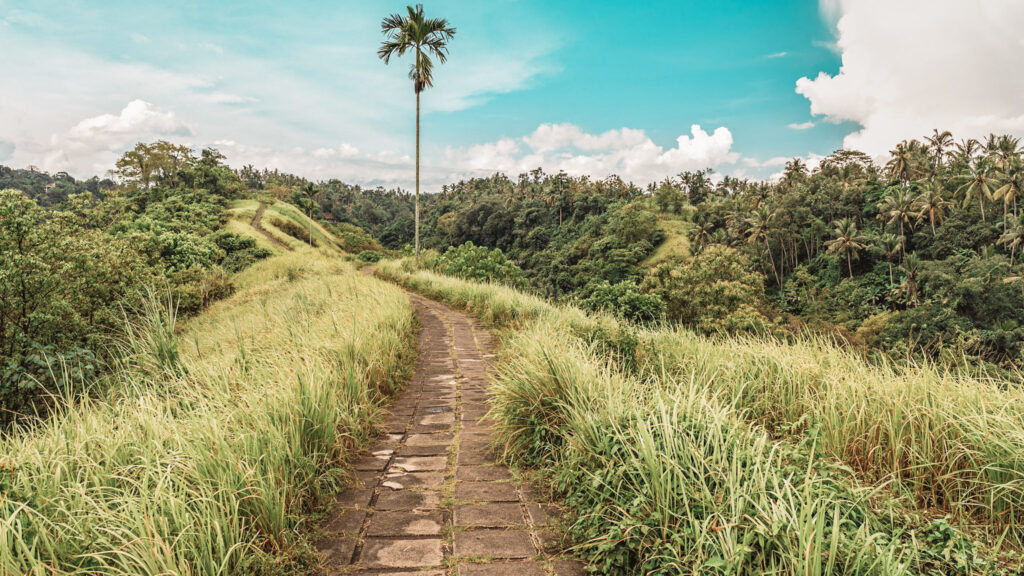
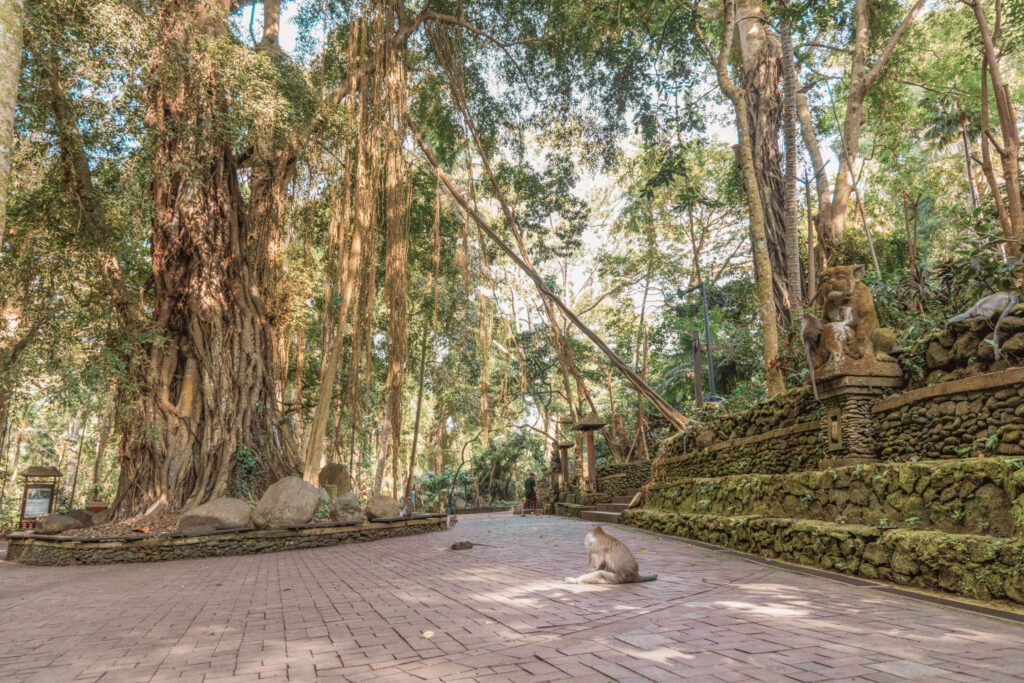
The Campuhan Ridge Walk in Ubud and the Sacred Monkey Forest are magical under light drizzle.
The air smells of earth and clove trees, and mist rolls slowly across the hills.
👣 Morning is ideal — afternoons can be slick.
🐵 Read next: Monkey Forest – all you need to know
🐬 11. Lovina Dolphin Tour (North Bali)


Yes — dolphins still appear during the wet months!
Tours depart at sunrise when the seas are calm, and the mist over the water adds a cinematic mood.
Rain is rare that early, so bring your camera and a light jacket.
🐬 Book: Lovina Dolphin Tour
🛕 12. Explore Temples in the Mist


Temples like Tirta Empul, Gunung Kawi, or Ulun Danu Beratan feel other-worldly in the rain.
Bring a light poncho and enjoy quieter courtyards and smoke from incense curling through mist.
- 🏯 Recommended: Private Temple & Culture Tour
- 📸 The best light for photos is right after the rain stops.
💡 Insider tip: Plan active adventures in the morning (before 11 a.m.), schedule spa & food experiences in the afternoon and use evenings for sunsets, coctails at the beach & traditional dance shows.
The rainy season doesn’t limit your Bali experience — it refines it.
By the time you leave, you’ll remember the smell of wet frangipani, the sound of frogs echoing across rice paddies, and that perfect calm after a storm.
🧭 Practical Safety Tips
- Avoid narrow jungle trails during thunderstorms.
- Don’t swim near river mouths after heavy rain (strong currents).
- Keep valuables in a dry bag.
- Morning start = best weather, best light, least crowds.
The secret to outdoor travel in Bali’s rainy season is rhythm — rise early, move with the clouds, rest when rain sings on the roof. You’ll see an island that feels half-dream, half-reality.
🧳 What to Pack for Bali’s Wet Months (Real Traveler’s Checklist)
If you’ve never experienced Bali’s rainy season, it’s easy to overpack — or pack wrong.
What you really need isn’t a suitcase full of outfits; it’s gear that dries fast, layers that breathe, and those small details that make tropical rain feel effortless.
After months spent in wet seasons wandering through Ubud’s misty rice terraces and Munduk’s cloud forests, here’s what truly matters — not the generic checklist, but the real one.

🌦️ Clothing: Light, Quick-Dry & Layered
Bali’s rain isn’t cold — it’s warm and often short.
What matters most is how fast things dry afterward and how comfortable you feel when humidity spikes.
Avoid denim and thick cotton; embrace quick-dry fabrics, breathable layers, and sandals that love puddles.
Essential Rainy-Season Clothing for Bali
| Item | Why You Need It | Personal Tip |
|---|---|---|
| Quick-dry shirts & shorts | They’ll dry in an hour after a tropical shower. | Pack 2–3 sets and rotate daily — lightweight fabrics make life easier. |
| Light poncho or rain jacket | Tropical downpours appear suddenly and vanish just as fast. | Keep it in your daypack’s side pocket — it’s saved many camera days. |
| Waterproof sandals (Teva / Havaianas) | Streets can briefly flood after heavy rain. | Perfect for both temples and showers — leave sneakers for dry days. |
| Loose cotton dress or sarong | Doubles as temple wear and post-rain comfort. | Locals use sarongs for everything — follow their lead. |
| Thin long-sleeve linen shirt | Keeps mosquitos off at dusk while staying breathable. | White or pastel shades look great under grey skies and on camera. |
Pack light but smart. Laundry is cheap and fast in Bali — you can wash and dry clothes daily, so prioritize comfort and versatility over quantity.

🎒 Gear: Keep Dry, Stay Light
Bali’s rainy season isn’t about surviving — it’s about staying organized and waterproofing smartly.
The best travelers move with small, clever items that keep cameras, phones, and documents safe, even during tropical downpours or scooter rides through misty hills.
Below are my tried-and-tested travel essentials — things I never explore Bali without.
Essential Rainy-Season Travel Gear for Bali
| Gear | Purpose | Personal Tip |
|---|---|---|
| Dry bag (10–20L) | Protects electronics, clothes, and documents during hikes or scooter rides. | I never travel Bali without one — mine’s saved my camera more than once. |
| Waterproof phone pouch | Lets you safely use your phone in rain or near waterfalls. | Costs $5 — saves $500. I use it even at the beach. |
| Small microfiber towel | Dries fast, packs tiny, and absorbs better than cotton. | Doubles as a quick-dry beach or temple towel. |
| Reusable water bottle | Staying hydrated in humidity is essential for energy and focus. | Fill at filtered stations — remember, tap water isn’t safe to drink. |
| Mini umbrella | Handy for temple visits and shaded street photography. | Clear umbrellas look beautiful in photos — especially in Ubud’s rain. |
| Compact daypack rain cover | Keeps your backpack dry on scooters or during hikes. | Store it in the outer pocket — it’ll become your best friend on cloudy days. |
Avoid bulky raincoats and big umbrellas — you’ll rarely need them.
Instead, go for lightweight waterproof layers and compact protection you can stash in your daypack or scooter seat.

☀️ Toiletries & Health
Humidity and tropical rain change what you’ll actually use day to day.
Some items that stay untouched on other trips will be lifesavers here — especially when the air is damp, the sun still burns through clouds, and the mosquitoes get bold at dusk.
Here’s what to pack to stay healthy and comfortable during Bali’s rainy season.
Rainy-Season Toiletries & Health Kit
| Essentials | Why You’ll Need Them | Pro Tip |
|---|---|---|
| Mosquito repellent (DEET or natural) | Mosquitos thrive in Bali’s wet months — especially near rice fields and rivers. | Apply at dusk and dawn, and after rain when they’re most active. |
| Sunscreen (reef-safe) | UV levels stay high even under cloudy skies. | Reapply often — rain doesn’t mean no sunburn. |
| Anti-humidity hair serum | Prevents frizz and keeps hair manageable in misty weather. | You’ll thank me after a week in Ubud’s jungle air. |
| Travel-size laundry soap | You’ll wash light clothes often — they dry fast indoors. | Perfect for small villas or guesthouses without laundry service. |
| Rehydration salts or electrolytes | Helps your body handle humidity and occasional Bali Belly. | Keep a few sachets in your daypack for long, humid days. |
Humidity drains faster than you expect — drink water regularly and use electrolyte packets after long hikes or beach days.
⚠️ Read more: Can You Drink Tap Water in Bali?

📷 Electronics & Camera Gear for Bali’s Rainy Season
In Bali’s wet months, moisture and electricity don’t mix well — but that doesn’t mean you should leave your gear behind.
With the right setup, you can photograph misty temples, edit photos from cafés, and stay charged even during tropical downpours.
Here’s what’s worth bringing (and how to keep it all safe from the rain).
Essential Electronics & Camera Gear
| Item | Why You’ll Need It | Pro Tip |
|---|---|---|
| Universal adapter (Type C & G) | Bali uses European round pins and sometimes UK-style plugs. | Choose one with built-in USB ports and surge protection. |
| Power bank (10 000 mAh+) | Outages and long days exploring mean extra battery security. | Charge it overnight — many cafés let you top up while you work. |
| Waterproof camera bag or cover | Protects DSLR or mirrorless cameras from sudden rain. | Use a rain sleeve or small dry bag inside your backpack. |
| Lens cleaning cloth + silica gel packs | Humidity fogs lenses and attracts mold over time. | Keep lenses sealed overnight with silica inside your camera pouch. |
| Waterproof phone case | Lets you film waterfalls or rain scenes safely. | Attach a wrist strap — those puddles get deeper than you think! |
| Lightweight tripod or mini-gorillapod | Perfect for sunrise/sunset or long-exposure waterfall shots. | Aluminum or carbon fiber won’t rust; wipe it dry after use. |
| Portable SSD / cloud backup plan | Rainy days are perfect for editing and backing up footage. | Keep two copies — one physical, one cloud — humidity is sneaky. |
Store all electronics in zip-seal bags inside your backpack — Bali’s rain can be sideways.
Use a small dry sack for camera gear when riding scooters or trekking to waterfalls.

📱 Apps, SIM & Connectivity (Stay Smart in Rainy Season)
Rainy days in Bali are slower — but that’s when good connection and planning apps really shine.
A few downloads before your trip can make transport, navigation, and weather forecasts effortless — even when clouds roll in over Ubud.
Below are my go-to apps and digital essentials for the wet season in Bali:
Apps & Connectivity Essentials
| App / Tool | Why You’ll Need It | Pro Tip |
|---|---|---|
| Grab / Gojek | Book scooters, cars, and food delivery during sudden downpours. | Order a car before the rain hits — prices rise fast once it starts pouring. |
| Google Maps (Offline Mode) | Rain can interrupt signal — offline maps save the day. | Download Bali before your trip; it works perfectly offline for scooter routes. |
| Weather apps (Windy / AccuWeather) | Track rain cells, lightning, and cloud movement before heading out. | Morning checks help plan hikes or waterfall visits safely. |
| Google Translate | Handy for chatting with drivers or reading restaurant menus in Bahasa Indonesia. | Download the Bahasa Indonesia pack offline for rural areas. |
| XE Currency Converter | Quickly convert Indonesian Rupiah without Wi-Fi. | Set alerts for exchange rates if withdrawing larger cash amounts. |
| Local SIM card or eSIM (Telkomsel / Airalo) | Fastest and most reliable connection across Bali and nearby islands. | 🌐 Activate instantly with Airalo eSIM → — stay connected from the moment you land. |
Rainy days are perfect for slow mornings and remote work sessions — Bali’s cafés have strong Wi-Fi, good coffee, and plenty of sockets for digital nomads.

💰 Travel Extras That Make a Difference
These aren’t essential — but they’ll turn a wet day from annoying to incredible.
Little comforts go a long way when the world hums with rain.
Optional Travel Extras Worth Packing
| Item | Why It Helps | Personal Note |
|---|---|---|
| E-book or travel journal | Perfect for slow afternoons when rain patters on rooftops. | I often journal during storms — it captures the calmest memories. |
| Spotify offline playlists | Set the mood for temple walks or cozy café sessions. | Rain + bamboo flute + warm tea = pure Bali magic. |
| Eco tote bag | Useful for markets, groceries, or carrying wet sandals. | Foldable and eco-friendly. |
| Travel insurance | Essential in rainy months when flights or boat trips can delay. | 🩺 Get covered with VisitorsCoverage Travel Insurance → — flexible and trusted worldwide. |
| Light scarf or shawl | Works as a head cover, towel, or quick blanket on bus rides. | Choose breathable cotton — dries fast and looks stylish. |
Pack small comforts for rainy afternoons — you’ll use them more than you think.
A playlist, a scarf, and a book can turn a grey day in Bali into a memory you’ll never forget.
💡 Insider tip: Pack less, wash more. Bali’s humidity makes thick clothing unbearable, but laundry services are cheap and everywhere. A 5 kg wash costs less than a coffee — you’ll travel lighter and happier.
You don’t need to pack for the rain — you need to pack with it.
Once you accept that you’ll get a little wet, you’ll realize how freeing it is.
The rain becomes part of your rhythm, not your enemy.


🌺 Is Bali Worth Visiting in the Rainy Season?
Absolutely — yes!
Not in a “make the best of it” way, but in a this-is-when-Bali-feels-most-alive way.
The rainy season isn’t just weather — it’s atmosphere.
It’s Bali at its most cinematic: clouds drifting over volcanoes, banana leaves dripping after storms, farmers planting rice by hand while the earth breathes steam.

Most travelers chase sunshine.
But when the crowds leave, Bali exhales — and that’s when you find her real rhythm.
You’ll wake to mist over Ubud’s terraces, sip coffee as rain drums on rooftops, and watch the island reborn every single day.
I’ve spent weeks in Bali while the sky cracked open, scooters hissed along wet roads, and rice terraces gleamed like mirrors.
It’s not about avoiding the rain — it’s about understanding its rhythm.
Once you do, you’ll realise that the rainy season (November–March) can be the most rewarding time to visit.


Rain doesn’t ruin Bali — it rewrites it.
If you travel with curiosity instead of complaint, the wet season will give you stories the dry months never could.
💡 Insider tip: Don’t chase perfect weather — chase perfect atmosphere. The rain in Bali doesn’t end adventures — it makes them cinematic. Bring a poncho, not an excuse.
💡 Why It’s Still Worth Visiting
✅ Fewer crowds — quieter beaches, emptier temples, slower roads.
💰 Lower prices — hotels and flights often drop 20–40%.
🌿 Nature at its peak — waterfalls roar, forests glow, rice fields gleam like mirrors.
💬 Deeper connection — locals have more time to talk, and life feels more authentic.
✈️ Plan Your Rainy-Season Escape
Ready to embrace Bali at its calmest and most authentic?
Start building your itinerary here:
- 🌿 Ultimate Bali Travel Guide 2025
- 🧘♀️ Ubud Travel Guide
- 🌾 Sidemen Valley Guide
- 🌧️ Can You Drink Tap Water in Bali?
- 🍲 Bali food – best local dishes & markets
Use these to plan smarter, travel slower, and fall in love deeper.
🌧️ FAQ – Bali Rainy Season
Here are the most common questions travelers ask about Bali’s rainy season — answered from real experience after weeks spent exploring the island between downpours, sunshine, and misty rice fields.
The rainy season in Bali usually lasts from November to March. Rain typically comes in short, tropical bursts — often in the afternoon — while mornings remain warm and sunny for exploring.
No — Bali’s rain rarely lasts all day. Most showers are brief but heavy, followed by sunshine and cooler air. Plan outdoor adventures in the morning and save spa days or cooking classes for the afternoon.
Absolutely! The wet season brings out Bali’s lush beauty — green rice terraces, roaring waterfalls, and dramatic skies. It’s also quieter, cheaper, and more authentic, with fewer crowds at temples and beaches.
Bring quick-dry clothing, a light poncho or small rain jacket, waterproof sandals, and dry bags for electronics. Don’t forget mosquito repellent, reef-safe sunscreen, and electrolytes for humid days.
Yes, but conditions vary. Some beaches have stronger waves and more debris after storms, while waterfalls flow at full power — stunning but slippery. Visit in the morning, wear good footwear, and check weather updates.
Yes — boats run year-round, but crossings can be delayed between December and February due to rough seas. Always book flexible tickets and travel early in the morning for calmer conditions.
🌴 Plan Your Bali Trip
Ready to turn your Bali dreams into reality? Here are my favorite trusted resources — all personally tested and loved from my own travels.
- ✈️ Flights to Bali (DPS) – Search best flight deals →
- 🏨 Where to Stay – Find hotels & villas → or explore on Interactive map →
- 🚗 Getting Around – Rent a car with DiscoverCars →
- 🧘 Tours & Experiences – Book Bali tours on GetYourGuide →
- 🌍 Travel Insurance – Get a quote with VisitorCoverage →
- 📱 Stay Connected – Buy a Bali eSIM on Airalo →
💡 Some of these are affiliate links, meaning I may earn a small commission — at no extra cost to you. It helps me keep creating detailed, independent travel guides. Thank you for your support 💛


