
I did not arrive in Colombo expecting to fall for it.
Like many travelers, I saw Sri Lanka’s capital mostly as a practical beginning. A big city. A place to land, rest, adjust, and move on. And if I am honest, that is often how I feel about large cities in Asia, too. They can feel overwhelming at first, sometimes too fast, too noisy, too difficult to read before you have found your footing.
But Colombo surprised me almost immediately.
What I expected to be just my first stop in Sri Lanka became a place I genuinely loved returning to. Not because it tried to impress me in an obvious way, but because it slowly opened up through its rhythm, its food, its everyday street life, its mix of faiths and architecture, its sea-facing evenings, and the warmth of the people I met there. Colombo became my first real touch of a country where I would spend the next two full months traveling more deeply, and looking back, I cannot imagine a better introduction.
This Colombo Sri Lanka travel guide is shaped by personal experience in Colombo and by the way the city felt to me as the beginning of a much longer journey through Sri Lanka. I explored it as a traveler who values slow travel, local atmosphere, food, walkable moments, cultural context, and the feeling of getting to know a place beyond its checklist of attractions.
In this guide, I will help you understand whether Colombo is worth visiting, how many days to spend here, what to see, where to stay, how to get around, how to get here from the airport, what to eat, and how to experience the city in a way that feels more meaningful and less rushed. I will also share practical tips, safety advice, and the small details that matter when you first arrive in a new country.
If you are wondering whether Colombo is just a transit city, this guide will help you see why it can be much more than that. And if you are already planning time here, I hope it helps you experience the city not just efficiently, but well.
Because Colombo is not the kind of place that always shouts for your attention. But give it a little time, and it becomes very easy to love.

Colombo at a glance
Before I get into where to stay, what to see, and how to move around the city, I think Colombo deserves a quick introduction. For me, this is the kind of place that makes more sense once you understand what it actually is: not just Sri Lanka’s big capital city, but a dense, layered, sea-facing gateway with a long trading history, a huge daily rhythm, and far more character than I expected. So if you like to get your bearings fast, this little snapshot gives you the most useful essentials at a glance.
✨ Colombo, Sri Lanka: Quick Facts
A few fast facts to help you understand Colombo before diving into the full guide.
Is Colombo worth visiting?
At first glance, Colombo is easy to underestimate. Many travelers arrive here tired, treat it as a practical landing point, and move on quickly toward Sri Lanka’s beaches, hills, safaris, or cultural triangle. I understand that instinct. Before I came, I did not expect Sri Lanka’s big capital to be one of the places I would genuinely fall for.
But for me, Colombo ended up being far more than a transit stop. It was my first real introduction to Sri Lanka — not just to its landmarks, but to its rhythm, its food, its mix of faiths, its everyday street life, and the feeling of a country beginning to open itself up. It is not the kind of city that always wins people over in the first ten minutes. But give it a little time, and it can become one of the most interesting and memorable parts of the journey.


Is Colombo worth visiting for first-time visitors?
Yes, Colombo is absolutely worth visiting for first-time visitors, especially if you want your trip to Sri Lanka to feel more grounded from the beginning.
I would not come here expecting the country’s most beautiful scenery or its most instantly atmospheric old town. Colombo is not that kind of place. What it offers instead is something more layered: a first look at modern Sri Lankan life, a mix of temples, markets, colonial remnants, mosques, sea views, cafés, local food, and neighborhoods that feel lived in rather than staged for tourism.
For a first-time visitor, I actually think that makes Colombo valuable. It helps you arrive gradually. You adjust to the pace, the heat, the traffic, the food, the sounds, and the character of the country before moving deeper into Sri Lanka. For me, that made the rest of the journey richer. By the time I left Colombo, I already felt like I had begun to understand Sri Lanka.


Why Colombo is more than just a gateway city
It is easy to reduce Colombo to its function. Most international travelers arrive here first, many leave quickly, and the city often gets framed as the place you pass through on the way to somewhere “better.” But I think that does Colombo a disservice.
For me, Colombo is more than a gateway city because it gives you something many more conventionally beautiful places do not: context. It shows you a more urban, modern, and layered side of Sri Lanka. It lets you experience the country not only through famous sights, but through movement, routine, food stalls, temples tucked between busy streets, colonial facades beside glass towers, and the everyday life of a city that is constantly in motion.
That is also what makes Colombo feel so interesting. It is not polished in a way that asks to be admired from a distance. It feels lived in. It feels mixed. It feels real. In the same day, you can move from sea-facing promenades to dense market streets, from quiet religious spaces to traffic and heat and noise, from elegant old buildings to modern shopping malls and busy intersections. For me, that contrast is part of its appeal.


Colombo also matters because it shapes your first impression of Sri Lanka in a deeper way than people often admit. This is where I first started to understand the rhythm of the country: the balance between chaos and calm, the warmth of people, the importance of food, the visible presence of religion, and the way history still sits inside the modern city.
So no, I would not describe Colombo as a place you visit only because you have to. I would describe it as a place that helps the rest of Sri Lanka make more sense. And for me, that made it far more than a gateway.
Who Colombo is best for
Colombo is best for travelers who enjoy places with texture, contrast, and everyday life. If you like cities that are less about postcard perfection and more about atmosphere, food, street scenes, architecture, religion, and observing how a country actually moves, Colombo can be a very rewarding place to spend time. I think it especially suits travelers who enjoy slow travel, people who like wandering different neighborhoods, trying local food, visiting temples and markets, sitting in cafés, and getting a more grounded first feel for a destination.
It also makes a lot of sense for first-time visitors to Sri Lanka who do not want to land and immediately rush onward. Colombo is a good city for adjusting gently: to the climate, the pace, the traffic, the food, and the rhythm of the country. I found it a valuable place to begin, because it made the rest of my time in Sri Lanka feel more connected and easier to understand.
I think Colombo is also a strong fit for travelers who enjoy urban photography, architecture, mixed cultural influences, and cities that reveal themselves gradually rather than instantly. If you are interested in food, layered history, religious diversity, and places that feel lived in rather than staged, there is a good chance Colombo will surprise you in a positive way.


At the same time, Colombo may not be the place everyone wants to linger. If you are dreaming mainly of beaches, lush mountain scenery, wildlife, or the most traditionally beautiful and atmospheric parts of Sri Lanka, you may prefer to keep your stay here short. The city can feel hot, busy, noisy, and at times overwhelming, especially if you are not someone who naturally enjoys big urban environments. If your ideal trip is built around nature, quiet, and visually dramatic landscapes, Colombo may work better as a one-night arrival stop or a brief ending point rather than a destination in itself.
So for me, the question is not really whether Colombo is “good” or “bad,” but what kind of traveler you are. If you are open to a city that asks for a little curiosity and patience, Colombo is easy to love. If not, it still serves as a useful and interesting first step into Sri Lanka (or last) — just one you may want to experience more briefly.
How many days to spend in Colombo
For most, 2 days is the sweet spot in Colombo. That is usually enough time to see the main sights, eat well, move through a few different parts of the city, and get a genuine feel for its rhythm without turning the visit into a rush.
Could you see Colombo in less time? Yes. But the experience changes a lot depending on whether you have a few hours, one full day, or several days to slow down. Colombo is not a city I would try to “complete.” It works much better when you give it the amount of time that matches your style of travel.
⏳ How much time to stay in Colombo
Colombo can work in very different ways depending on how much time you give it. If you only have one day, that is enough to see the main highlights, eat well, and get a first feel for the city, but for me, it feels more like an introduction than a full experience.
If you can stay 2 days, that is the sweet spot for most. It gives you enough time to combine the main sights with the things that make Colombo more enjoyable: a slower meal, time by the sea, a walk through different neighborhoods, and the chance to experience the city without constantly watching the clock.


3 or more days make the most sense if you enjoy slower, urban travel. That is when Colombo starts to open up more through cafés, museums, architecture, local routines, and neighborhood atmosphere. It is not necessary for every traveler, but it can be very rewarding if you like cities that reveal themselves gradually.
I also think Colombo works well both at the beginning and at the end of a Sri Lanka trip, just in different ways. At the beginning, as I did, it helps you adjust gently to the country’s rhythm. At the end, it can be a comfortable place to slow down, eat well, do some final sightseeing, and prepare for your flight home.
Best things to do in Colombo
For me, the best things to do in Colombo are the places that help the city open up gradually. This is not a city I loved because of one huge landmark or one dramatic “must-see” attraction. I loved it because of the feeling of moving through it: the sea at sunset, the mix of religions and architecture, the busy streets, the food, the pauses, and the sense that Colombo was introducing me to Sri Lanka in a very real way.


So this section is not just a list of sights. It is my honest take on the places that are most worth your time in Colombo, based on what they actually feel like, how much time I think they deserve, and where they fit best into a first visit.
Walk along Galle Face Green
For me, Galle Face Green is one of the easiest places to start understanding Colombo.


Not because it is the most beautiful place in the city in a polished, postcard way, but because it feels so alive and so shared. I came here in the afternoon and stayed into sunset, and that is exactly how I would recommend experiencing it. Earlier in the day, it can feel hot and exposed, but later on, the light softens, the sea breeze becomes more welcome, and the whole promenade starts to fill with people. Families, couples, groups of friends, people eating, people standing by the water, people simply being outside. It felt social, open, and very unforced.
✨ Need to know
- 🌅 Best time to go: Late afternoon into sunset is by far the best time to be here.
- 💸 Cost: Free.
- ⏳ How much time: Around 45 minutes to 2 – 4 hours, depending on how slowly you want to experience it.
- 📍 Best for: A first feel for Colombo, an easy sunset walk, and seeing the city in a more relaxed, local, everyday way.
- 🚕 Getting there: Easy by tuk-tuk, PickMe, Uber, or on foot if you are staying nearby.
That is what stayed with me most. Galle Face Green is not really about “seeing” one thing. It is about stepping into Colombo’s public life for a while and letting the atmosphere do the work. For a first-time visitor, I think that makes it one of the most worthwhile places in the city. You do not need much planning, and you do not need to overthink it. You just come here, walk, slow down, and watch Colombo happen around you.
💡 Insider tip: I would not treat Galle Face Green as a quick midday stop. It is much better as an evening pause when the city starts to soften and fill with life. Come for the atmosphere, not for a checklist moment.


I also think this is one of the best places in the city to visit early in your trip, especially if you have just arrived and want something easy but still memorable. It gives you that first feeling of the sea, the air, the pace of the city, and the kind of everyday energy that makes Colombo feel much more human than many people expect.
At the same time, not everything I saw here felt good to me. There was a man with a cobra and a monkey, clearly using animals to draw attention from visitors. Personally, I really do not like seeing animals used that way, and I would not encourage it with money, tips, or photos. For me, responsible travel also means being clear about what I do not want to support.


As a place to actually include in your itinerary, Galle Face Green works very well. If you only have one day in Colombo, I think it absolutely deserves a place in it. If you have longer, it is even better, because this is the kind of place you can return to without it feeling repetitive. I would give it at least 2-3 hours, depending on whether you want a simple walk or whether you want to stay through sunset and soak it in properly.
Visit Sri Kailawasanatan Swami Temple
Sri Kailawasanatan Swami Temple was one of the most visually striking religious places I visited in Colombo.
The first thing that caught my attention was the entrance tower, crowded with brightly painted deities, figures, animals, and intricate decorative details. There is so much happening across its surface that it is almost impossible to take everything in at once. The longer I looked, the more details seemed to appear. It felt vibrant rather than restrained, with colour and symbolism covering almost every available space.

Inside, the temple felt completely different from Colombo’s busy streets. There were richly decorated ceilings, carved pillars, shrines, murals, offerings, and the quiet movement of people coming to worship. It did not feel arranged for tourists, which was part of what made the visit meaningful. This is an active Hindu temple, and entering it felt less like stepping into a conventional attraction and more like being briefly allowed into an important part of everyday religious life.
✨ Need to know
- 🛕 Why go: One of Colombo’s most colourful and intricately decorated religious sites, and an important introduction to the city’s Hindu heritage.
- ⏳ How much time: Allow around 30 to 45 minutes so you have time to notice the details without rushing.
- 📍 Location: In Colombo’s Captain’s Garden area, hidden away from the city’s more obvious tourist streets.
- 👗 What to wear: Cover your shoulders and knees, and remove your shoes before entering the temple.
- 🕯️ What to expect: This is an active place of worship. Ceremonies, offerings, and prayer may be taking place during your visit.
- 🕐 Opening times: The temple generally opens during the morning and evening rather than continuously throughout the day, so check current hours before going.
What stayed with me most was the level of detail. This is not a place to glance at for five minutes and leave. The beauty is in looking properly: at the painted ceilings, the individual figures, the lotus-shaped doors, the smaller shrines, and the way colour, devotion, and craftsmanship fill the entire space.

The temple also adds an important layer to understanding Colombo. The city’s character comes partly from the way different faiths, communities, and architectural traditions exist so closely together. Visiting a Hindu kovil after seeing Buddhist temples, mosques, churches, markets, and colonial buildings makes Colombo feel even more complex and culturally rich.
I would include Sri Kailawasanatan Swami Temple even in a shorter Colombo itinerary. It does not require a great deal of time, but it gives you something very different from the city’s seafront walks and colonial landmarks. Allow around 30 to 45 minutes, moving slowly and remembering that worship takes priority over sightseeing..
💡 Insider tip: Do not stop after photographing the colourful entrance. The most rewarding details are inside the temple, particularly the ceilings, pillars, shrines, and smaller decorative elements. Move slowly, stay out of the way of worshippers, and ask before photographing people or ceremonies.
As always with places like this, I think the most important thing is to enter with respect. This is not just a beautiful place to visit. It is an active religious space, and for me that should shape how you dress, how you move, how you photograph, and how you behave while you are there.
See Seema Malaka
Seema Malaka is one of the places in Colombo that made me slow down.

It feels very different from Sri Kailawasanatan Swami Temple, even though the two are closely connected. Where Sri Kailawasanatan Swami felt denser, more detailed, and more devotional in an immediate way, Seema Malaka felt lighter, calmer, and more open. Set right on the water, it gave me one of those rare pauses in Colombo where the noise of the city softened and everything felt more spacious.
✨ Need to know
- 🌿 Why go: Seema Malaka is worth it for its calm, water-side setting and more reflective atmosphere.
- ⏳ How much time: Around 20 to 40 minutes for Seema Malaka itself, or longer if you also want to walk around the lake.
- 📍 Best for: A quiet cultural stop, a slower-paced Colombo day, and anyone who enjoys thoughtful, atmospheric places.
- 🧭 Fits best in: A 2-day Colombo itinerary or alongside Gangaramaya Temple.
- 🚶 Extra tip: Even if you do not spend long at the temple itself, the lake area is worth enjoying as part of a gentle city walk.
What I liked most here was the atmosphere. This is not the kind of place you come to for a big sightseeing moment. It is quieter than that, and for me that is exactly why it is worth seeing. It offers a gentler side of Colombo — more reflective, more elegant, and much more about presence than spectacle. After the movement and intensity of the city outside, it felt like a breath.
I was staying in a hotel near the lake, so for me this whole area became part of my everyday Colombo rhythm. It was an easy walk, and I found myself coming back here almost daily. That also changed how I experienced Seema Malaka. It did not feel like a one-off attraction I had to tick off. It felt like part of the city I could return to, walk through slowly, and enjoy in a more natural way. I would actually say that even if you do not go inside, it is still worth spending time around the lake itself. The area has a calmer feel than many other parts of Colombo, and it works beautifully as a short walk or pause in the middle of the day.
💡 Insider tip: For me, Seema Malaka is not really about “doing” anything — it is about letting Colombo pause for a moment. If you are staying nearby, the lake area is lovely for an easy walk, and I found myself coming back there almost daily.
I also think Seema Malaka is one of the best examples of why Colombo works so well when you do not rush it. If you are only chasing major landmarks, it might seem small or easy to overlook. But if you are traveling the way I like to travel — more slowly, more intentionally, with attention to mood and place — then it is exactly the kind of stop that stays with you.

This is also one of the easiest cultural stops to combine with the rest of a Colombo day. It does not require a huge time commitment, but it adds a lot to the experience of the city. For me, it works especially well paired with Gangaramaya Temple, because together they show two very different but complementary sides of Colombo’s spiritual atmosphere.
I would not come here expecting to spend a long time unless you really want to sit, look, and absorb the surroundings. But I would absolutely include it. For most travelers 20 to 40 minutes is enough at Seema Malaka itself, but the wider lake area can easily invite a slower walk if you are staying nearby or simply want a calmer side of Colombo.
Explore Pettah Market
Pettah Market is one of the places that makes Colombo feel most alive.

It is chaotic, crowded, noisy, intense, and absolutely not the kind of place where you drift around in a dreamy, relaxed way. But that is exactly why I think it is worth experiencing. If you want to understand Colombo beyond its seafront, temples, and more polished corners, Pettah gives you a much more direct encounter with the city’s energy. It feels busy in a way that is not staged for visitors. This is where trade, movement, heat, color, traffic, voices, and everyday life all seem to collide at once.
✨ Need to know
- 🛍️ Why go: Pettah is one of the best places to feel Colombo’s raw everyday energy.
- ⏳ How much time: Around 45 minutes to 1.5 hours.
- 🔥 What to expect: Heat, crowds, noise, traffic, and sensory overload — in the best or worst way, depending on your travel style.
- 📍 Best for: Travelers who enjoy markets, local life, photography, and urban intensity.
- 🧭 Fits best in: Both a fast 1-day itinerary and a slower 2-day stay, especially if you want to see a less polished side of Colombo.
What I liked about Pettah was that it felt raw and real. It is not a place I would describe as beautiful in a conventional sense, and I would not recommend it to everyone in exactly the same way. But for me, it was one of the most memorable parts of Colombo because it showed a side of the city that felt completely unfiltered. Walking through it, I had that feeling I really value when I travel: not of consuming a place, but of stepping briefly into its rhythm and letting it overwhelm me a little.


That said, Pettah is not where I would tell you to come if you are looking for calm. This is a place to visit when you have energy, curiosity, and some tolerance for heat, crowds, and sensory overload. I think it suits travelers who enjoy markets, local street life, photography, textures, and urban intensity. If that sounds like you, Pettah can be one of the most rewarding stops in Colombo. If not, you may prefer to keep it short or even skip it.


The best way to experience Pettah is slowly, but not aimlessly. I would come with the mindset that you are here for atmosphere as much as for shopping. Look around. Notice the street scenes, the shopfronts, the movement, the way different lanes seem to have their own character. You do not need to buy much for the visit to feel worthwhile. In fact, for me, Pettah was more about observing than purchasing.
💡 Insider tip: I would come to Pettah when you have energy, not when you are already tired or overheated. For me, it is much more rewarding if I treat it as an experience of watching, wandering, and absorbing the atmosphere, not just shopping.
I would also say this is one of those places where being a thoughtful traveler matters. Pettah is not a tourist set. It is a working part of the city. That means you should be respectful with photos, patient with the crowds, and careful not to turn everyday life into a spectacle. The best way to experience it is with curiosity and humility.


In practical terms, I think Pettah fits well into both a 1-day and 2-day Colombo itinerary, but the experience will be very different depending on your pace. In a faster trip, it can be a vivid, high-energy stop that gives you an instant feel for the city. In a slower trip, you can give it more room and combine it with nearby sights more naturally. I would allow around at least 45 minutes to 1.5 hours, depending on how much wandering you want to do and how well you handle the intensity.
Stop by Jami Ul-Alfar Mosque (Red Mosque)
Jami Ul-Alfar Mosque is one of the most striking sights in Colombo at first glance.

It is the kind of building that makes you stop almost immediately. Even in a part of the city as busy and visually full as Pettah, it stands out. The red-and-white pattern is so bold, so distinctive, and so unlike anything else around it that it feels almost surreal when you first see it in the middle of all that movement and noise.
✨ Need to know
- 🕌 Why go: This is one of Colombo’s most visually striking landmarks and one of the clearest signs of the city’s religious and cultural mix.
- ⏳ How much time: Around 10 to 20 minutes for most travelers, more if going inside.
- 📍 Best for: A short but memorable stop while exploring Pettah.
- 🧭 Fits best in: Both a 1-day and 2-day Colombo itinerary, especially when paired with Pettah Market.
- 🤍 Good to remember: This is an active place of worship, so you should approach it with respect and be thoughtful with photos.
What I think makes Jami Ul-Alfar Mosque especially worth including is that it adds another dimension to how you understand Colombo. By the time you reach it, especially if you are already exploring Pettah, you are not just seeing a beautiful building. You are seeing how deeply mixed the city feels. Temples, markets, churches, colonial remnants, mosques, modern buildings — Colombo constantly shifts from one atmosphere to another, and this mosque is one of the clearest examples of that.
💡 Insider tip: Jami Ul-Alfar Mosque works best when I do not treat it as a separate sightseeing mission. It makes the most sense as part of wandering through Pettah, where it appears almost like a visual shock in the middle of the market chaos.
This is more of a short but very worthwhile stop than a place where most travelers will spend a long time. It works beautifully as part of a walk through Pettah, and I would absolutely pair the two. Even if you only pause to admire it from the outside, it adds a lot to the experience of that part of the city. It is visually memorable, but it also helps you feel the cultural and religious texture of Colombo more clearly.


At the same time, I think it is important to approach it respectfully. This is not just a photogenic landmark. It is an active place of worship, and for me that always changes how I behave in a place. I would be mindful with photography, aware of prayer times, and careful not to treat it as just a dramatic backdrop. It is one of those places where a little respect changes the whole tone of the visit.
Visit the Colombo National Museum
The Colombo National Museum is one of the best places in the city to add context to everything else you are seeing.

After walking through Colombo’s streets, temples, markets, and waterfront, a museum like this helps connect the pieces. It gives the city more depth. Instead of only experiencing Colombo through atmosphere and movement, you begin to place it within a wider Sri Lankan story. That is what makes this stop so valuable. It is not about excitement in the obvious sense. It is about understanding more.
✨ Need to know
- 🏛️ Why go: One of the best places in Colombo to gain historical and cultural context for the rest of your trip.
- ⏳ How much time: Around 1 to 1.5 hours, or longer if you enjoy museums.
- 📍 Best for: Travelers who like history, culture, and deeper context, not just surface-level sightseeing.
- 🧭 Fits best in: A 2-day Colombo itinerary or any slower visit with time for museums and architecture.
- 🌿 Pairs well with: Viharamahadevi Park, the Town Hall area, and a slower wander through Cinnamon Gardens.
What I liked here was the sense of stepping out of Colombo’s intensity for a while and into something quieter, more ordered, and more reflective. The city outside can feel fast, layered, and sometimes overwhelming. The museum offers a different pace. It gives you space to slow down, look properly, and absorb a more historical side of Sri Lanka that is easy to miss if you only move between the city’s headline sights.
This is also one of the places that makes the most sense if you are the kind of traveler who likes to understand a destination, not just pass through it. If food, architecture, religion, and street life are the emotional side of Colombo, the museum helps provide some of the intellectual grounding behind them.
💡 Insider tip: This is a great stop to plan for the middle of the day, when Colombo feels hottest and busiest. It adds depth to the city without draining your energy in the same way a market or long urban walk can.
At the same time, I would be honest and say that this is not a must for absolutely everyone. If you have only a few hours in Colombo and you are more interested in atmosphere than history, there are other places I would prioritize first. But if you enjoy museums, cultural context, and seeing a destination with a bit more depth, this is one of the strongest indoor stops in the city.

A visit here also works well in practical terms. It gives you a break from the heat, balances out the busier outdoor sights, and pairs naturally with the surrounding Cinnamon Gardens area, including Viharamahadevi Park and the Town Hall. I would allow around 1 to 1.5 hours, or a little longer if you like moving slowly through museums.
Spend time around Viharamahadevi Park and Town Hall
This is one of the parts of Colombo that felt easier to breathe in.

After the intensity of places like Pettah or the constant movement of the streets, the area around Viharamahadevi Park and the Town Hall offers a different side of the city — greener, more open, and a little more spacious. That is exactly why I think it is worth including.
✨ Need to know
- 🌳 Why go: A greener, calmer part of Colombo that gives the city a more open and spacious feel.
- ⏳ How much time: Around 30 to 45 minutes, or longer if you want a slower walk.
- 📍 Best for: Travelers who like a mix of city atmosphere, architecture, and breathing room.
- 🧭 Fits best in: A 2-day Colombo itinerary, especially together with the National Museum and Cinnamon Gardens.
- 🌿 What to expect: A more relaxed stop rather than a major headline attraction — good for slowing the pace of the day.
What makes this area appealing is not just one single sight, but the overall feel of it. The Town Hall gives the area a grand, almost formal presence, while the park softens everything around it. Together, they create a part of Colombo that feels calmer and less dense than many of the city’s busier corners. It is a good place to slow the pace slightly, especially if you are building a day that mixes heavier sightseeing with some breathing room.

This is also one of those stops that works well if you like cities in a more everyday, lived-in way. It is not about rushing in for a photo and leaving again. It is better approached as a short pause, a gentle walk, or a way to connect nearby sights more naturally. I especially like it as part of a route that also includes the Colombo National Museum and the wider Cinnamon Gardens area, because it helps that whole part of the city feel more cohesive.
💡 Insider tip: This area works best when you do not expect too much from it as a standalone “attraction.” Think of it more as a pleasant part of Colombo to move through slowly, especially if you want to balance busier stops with something greener and calmer.

Compared with some of Colombo’s more famous stops, this one is definitely less intense and less obviously “must-see.” But that is part of its value. Sometimes what makes a place memorable is simply that it gives you a different rhythm, and this area does exactly that.
Wander through the Dutch Hospital
Despite the name, the Dutch Hospital is not just a single building. It is a small historic district in Colombo, and I think that is worth clarifying because the name can easily make it sound like one quick architectural stop. In reality, it feels more like a compact heritage quarter with old colonial buildings, courtyards, restaurants, cafés, and a more relaxed atmosphere than many other parts of the city.

✨ Need to know
- 🏛️ Why go: A relaxed, historic part of Colombo with a more polished and walkable atmosphere.
- ⏳ How much time: Around 30 minutes to 1 hour, or longer if you stop for food or a drink.
- 📍 Best for: A slower pause, a meal, a coffee, or an easier break between busier sights.
- 🧭 Fits best in: Both a 1-day and 2-day Colombo itinerary, especially later in the day.
- 🌿 What to expect: More curated and comfortable than raw or local — enjoyable, but very different from Pettah.
That is also exactly why I liked it. After Colombo’s busier, louder, and more chaotic sides, this area offers something different: a slower, more contained pocket where historic architecture, places to sit, and a more polished atmosphere come together in a way that feels pleasant rather than demanding. It is not the most intense or culturally layered stop in Colombo, but it is one of the easiest to drop into and enjoy without much effort.
What stayed with me most here was that sense of contrast. Colombo can be hot, hectic, and full-on, and the Dutch Hospital Precinct gives you a softer pause inside all of that. The low colonial buildings, open courtyards, and walkable layout make it feel more relaxed than many other parts of the city. It is the kind of place where you can slow down, have a drink or a meal, and let the day breathe a little.


This is also one of the stops that works well when you want a city experience that feels a bit more comfortable and accessible, especially if you are arriving tired or trying to balance heavier sightseeing with more relaxed moments. It is not somewhere I would describe as essential because of one major sight. Its value is more in the overall atmosphere and the way it fits naturally into a day in Colombo.
💡 Insider tip: This is a good place to build into your day when you want a bit of comfort and breathing room. I would not come here looking for Colombo at its most intense — I would come here when I want the city to soften a little.
That said, I would not come here expecting something deeply local or especially raw. Compared with places like Pettah, this is a much more curated corner of the city. But that does not make it less worthwhile. It simply offers a different side of Colombo — one that feels more polished, more leisurely, and very easy to enjoy for an hour or so.
I think the Dutch Hospital Precinct works especially well in a 1-day or 2-day Colombo itinerary, particularly if you want a pleasant break between more intense stops. It also fits nicely later in the day, when you are ready to slow down a little. Around 30 minutes to 1 hour is enough for most people, or longer if you’re like me and want to stop for food or a drink.
Go up the Lotus Tower
The Lotus Tower is one of the most obvious landmarks in Colombo, and whether it is worth going up really depends on what kind of experience you want from the city.

Seen from the outside, it is impossible to miss. It gives Colombo a much more modern, vertical identity than many travelers expect, especially if they arrive thinking mainly about temples, markets, and colonial remnants. That contrast is part of why I think it is interesting. It shows another side of the city — one that feels newer, more ambitious, and more futuristic than the Colombo most people imagine before they arrive.
✨ Need to know
- 🌇 Why go: Best for views over Colombo and seeing the city from a more modern, high-up perspective.
- ⏳ How much time: Around 45 minutes to 1 hour.
- 📍 Best for: Travelers who enjoy viewpoints, skylines, and modern landmarks.
- 🧭 Fits best in: A 2-day Colombo itinerary or as an optional extra if you have time.
- 🤍 Good to know: I would prioritize it more for the view than for atmosphere.
Going up the tower makes the most sense if you enjoy viewpoints, like seeing cities from above, or want a clearer visual sense of how Colombo is laid out. From that height, the city becomes easier to understand. The sea, the urban sprawl, the denser areas, the greener pockets — it all starts to connect in a different way. That is what gives this stop its value. It is less about the deep atmosphere and more about the perspective.


At the same time, this is not the place I would put at the very top of a Colombo itinerary if you only have limited time and are more drawn to street life, food, religion, and everyday texture. In that case, I think places like Pettah, Gangaramaya, or Galle Face Green say more about Colombo’s character. The Lotus Tower feels more like an add-on that helps round out the city, rather than one of the places that defines it.
💡 Insider tip: I would treat the Lotus Tower as a bonus stop, not the heart of Colombo. It works best if you want one more polished, modern city sight after spending time in the places that reveal Colombo’s everyday character.
That said, I can still see why many travelers enjoy it. It is easy, visually striking, and very different from Colombo’s older, lower, and more layered parts. If you like mixing a few classic city sights with one more modern stop, it works well. I would especially consider it if you have 2 days in Colombo, if you enjoy skyline views, or if the weather is clear enough to make the panorama worthwhile.
See the Colombo Lighthouse
The Colombo Lighthouse is absolutely one of the places I would tell you not to skip in Colombo.

It may not always get treated as one of the city’s biggest headline sights, but that is exactly why it can be underestimated. In reality, it is one of those stops that adds so much character to Colombo. I found it genuinely memorable, and not just as a quick photo stop. It has a presence. It gives this part of the city a distinctly coastal, historic, and slightly cinematic feel that stayed with me.
✨ Need to know
- ⚓ Why go: One of Colombo’s most memorable coastal sights and, in my view, a must-see for adding atmosphere and character to the city.
- 🎨 What stood out to me: The tower’s two different styles and colors, which make it feel especially distinctive.
- ⏳ How much time: Around 10 to 20 minutes on its own.
- 📍 Best for: Travelers who want Colombo to feel more layered, coastal, and visually memorable.
- 🧭 Fits best in: Any Colombo itinerary that includes the city’s older coastal side.
What stood out immediately was the tower itself. I loved the way it seems to bring together two different styles and colors, which makes it feel more visually interesting than a standard lighthouse. That detail gave it a stronger identity and made it feel much more distinctive than I expected. It is the kind of thing that catches your eye right away, but also rewards looking a little more closely.

What makes the Colombo Lighthouse feel like a must-see is not just the structure on its own, but the atmosphere around it. It helps reveal a side of Colombo that feels tied to the sea, to the city’s older layers, and to its role as a port capital. It is one of those places that gives Colombo more texture and personality. For travelers who want the city to feel memorable rather than generic, I think it deserves a place on the itinerary.


💡 Insider tip: Do not treat the Colombo Lighthouse as a throwaway stop. It is one of those places that gives the city a stronger identity, and it is well worth seeing properly rather than just passing by.
It is also an easy stop to include, which makes it even more worth it. You do not need a huge amount of time, but it leaves an impression out of proportion to the effort it takes to see it. That, to me, is often the sign of a really good city sight. I would allow around 10 to 20 minutes for the lighthouse itself, or longer if you are exploring the surrounding area at a slower pace.

See Sambodhi Chaithya
Sambodhi Chaithya is one of those Colombo sights that feels instantly memorable because it looks so unusual. It is not tucked quietly into the city or blended into the streetscape. It rises above the harbor area in a way that feels bold, architectural, and slightly unexpected, which is exactly why I think it deserves a stop. The stupa sits by the port and is elevated on a dramatic concrete structure above Chaithya Road, which is part of what gives it such a distinctive presence.

✨ Need to know
- 🛕 Why go: One of Colombo’s most unusual and visually distinctive religious landmarks.
- ⚓ What makes it special: Its dramatic setting by the harbor and the way it rises above the road on a striking concrete structure.
- ⏳ How much time: Around 15 to 30 minutes.
- 🪜 Good to know: There are 123 steps up to the stupa.
- 🧭 Fits best in: A broader wander through Colombo’s older coastal and harbor-side sights.
What makes it worth seeing is not only that it is a Buddhist stupa, but that it feels visually different from many of the other religious sites in Colombo. There is something striking about its setting near the harbor and the way it stands above the road, almost like a sculptural landmark as much as a religious one. That gives it a stronger identity than a simple, quick temple stop. It feels like one of those places that helps Colombo look more layered, more surprising, and more architecturally interesting.


This is also a good stop if you enjoy the side of Colombo that feels a little more maritime, structural, and unexpected. It is not the softest or most atmospheric religious site in the city, and I would not describe it as intimate in the same way as somewhere like Seema Malaka. Its appeal is different. It is more about the visual impact, the unusual setting, and the sense that Colombo keeps shifting into new forms as you move through it.
💡 Insider tip: This is a great stop when you want Colombo to feel a bit more surprising. I would pair it with the lighthouse and other nearby coastal sights rather than treating it as a separate long visit.
I would include Sambodhi Chaithya as a short but worthwhile stop, especially if you are already exploring Colombo’s older coastal side, the harbor area, or nearby sights like the Colombo Lighthouse and the old clock tower. It does not need a huge amount of time, but it adds a lot of character. Around 15 to 30 minutes feels right for most travelers. There is also a stairway with 123 steps up to the stupa, so it is worth knowing that there is a bit of an ascent involved.
Stop by the Colombo Fort Old Lighthouse & Clock Tower
The Colombo Fort Old Lighthouse & Clock Tower is the kind of stop I would include as a quick but worthwhile pause, rather than a major sightseeing mission.

What I liked about it is that it adds another layer to Colombo’s older side without asking much from your day. It is not the sort of place where I would tell you to spend a long time, but it does help the city feel more connected to its past. When you are already moving through this part of Colombo, stopping here makes sense almost naturally. It is one of those sights that works best as part of the wider atmosphere rather than as a standalone attraction.
✨ Need to know
- 🕰️ Why go: A quick historical stop that adds character to Colombo’s older Fort area.
- ⏳ How much time: Around 5 to 10 minutes.
- 📍 Best for: Travelers who enjoy small historic details and layered city walks.
- 🧭 Fits best in: A wander through Fort, especially together with nearby coastal and colonial-era sights.
- 🤍 Good to know: Best treated as a stop-by sight, not a major destination in itself.
I also think it is a good example of how Colombo reveals itself through smaller details. You have the sea, the port history, the colonial remnants, the newer city around it — and then this tower, which quietly adds another piece to that story. It is easy to pass by, but worth noticing. Stops like this may not be the most dramatic parts of Colombo, yet they often help the city feel more textured and memorable.
💡 Insider tip: This is one of those places that works best when you let it be a small part of a bigger walk. I would not go out of my way just for it, but I would definitely stop if I was already exploring the area.
This is why I would treat it as a short stop-by sight. See it, appreciate it, take a moment, and then keep moving through the area. It works well if you are exploring Fort, heading toward the seafront, or combining it with other nearby sights like the Colombo Lighthouse. In that context, it feels like part of a broader old Colombo experience rather than something that needs to stand alone.


I would only allow around 5 to 10 minutes here for most travelers. That is enough to enjoy it without forcing it into something bigger than it needs to be.
Best areas to stay in Colombo
Choosing where to stay in Colombo matters more than many travelers expect. The city is not huge on the map, but the feel of your stay changes a lot depending on the neighborhood. Some areas are better for history and old Colombo, some for markets and local energy, and some simply make the city easier and more comfortable to experience for the first time.
The best way to choose is not just by budget, but by how you want Colombo to feel.
✨ My quick area picks
- 🏨 Best area for first-time visitors: Kollupitiya
- 🌙 Best area for a one-night stay: Galle Face or Kollupitiya
- 🚶 Best area for walkability: Galle Face
- 🌿 Best area for a calmer stay: Cinnamon Gardens
- ⚡ Best area for local energy: Pettah to visit, not usually to stay
- 📍 Best balanced base overall: Kollupitiya
Fort is best if you want history, old Colombo, and transport links. It feels more tied to the city’s older layers and works well if you want to stay close to colonial-era buildings, business districts, and some of the classic urban landmarks.
Pettah is best for markets, intensity, local energy, and street life. I would absolutely explore it, but for most first-time visitors, I think it makes more sense to visit Pettah than stay there, unless you genuinely enjoy being right in the middle of the chaos.


Galle Face is one of the most appealing areas for a first stay. It works especially well for seafront walks, sunset, polished hotels, and easier evenings. If you want Colombo to feel a little softer and more scenic at the end of the day, this is a very good choice.
Kollupitiya is the most practical all-rounder. It is central, well-connected, close to the coast, and easy to use as a base without feeling too formal. This is also where I stayed, at Lavonca Boutique Hotel, and I found it a very convenient part of Colombo to be based in.
Cinnamon Gardens is best if you want a greener, calmer, more residential side of Colombo. It suits travelers who prefer a slower pace, leafy streets, museums, and a more elegant city feel.
Bambalapitiya works well if you want a more lived-in urban feel with coastal access, cafés, and everyday Colombo life. It feels a little less polished than Galle Face, but more local and textured.
If I had to keep it simple, I would say Kollupitiya, Galle Face, and Cinnamon Gardens are the strongest choices for most first-time visitors.
Best hotels in Colombo
These are the Colombo hotels I would personally shortlist, the ones that feel most worth looking at if you want a stay I would actually be happy with myself. Rather than listing everything that exists, I wanted this to feel more like a curated selection: hotels I would choose again, hotels I would recommend to a friend, and hotels that make sense for different kinds of Colombo stays — whether you want heritage, luxury, a polished seafront base, or something smaller and more personal.
🏨 Best hotels in Colombo


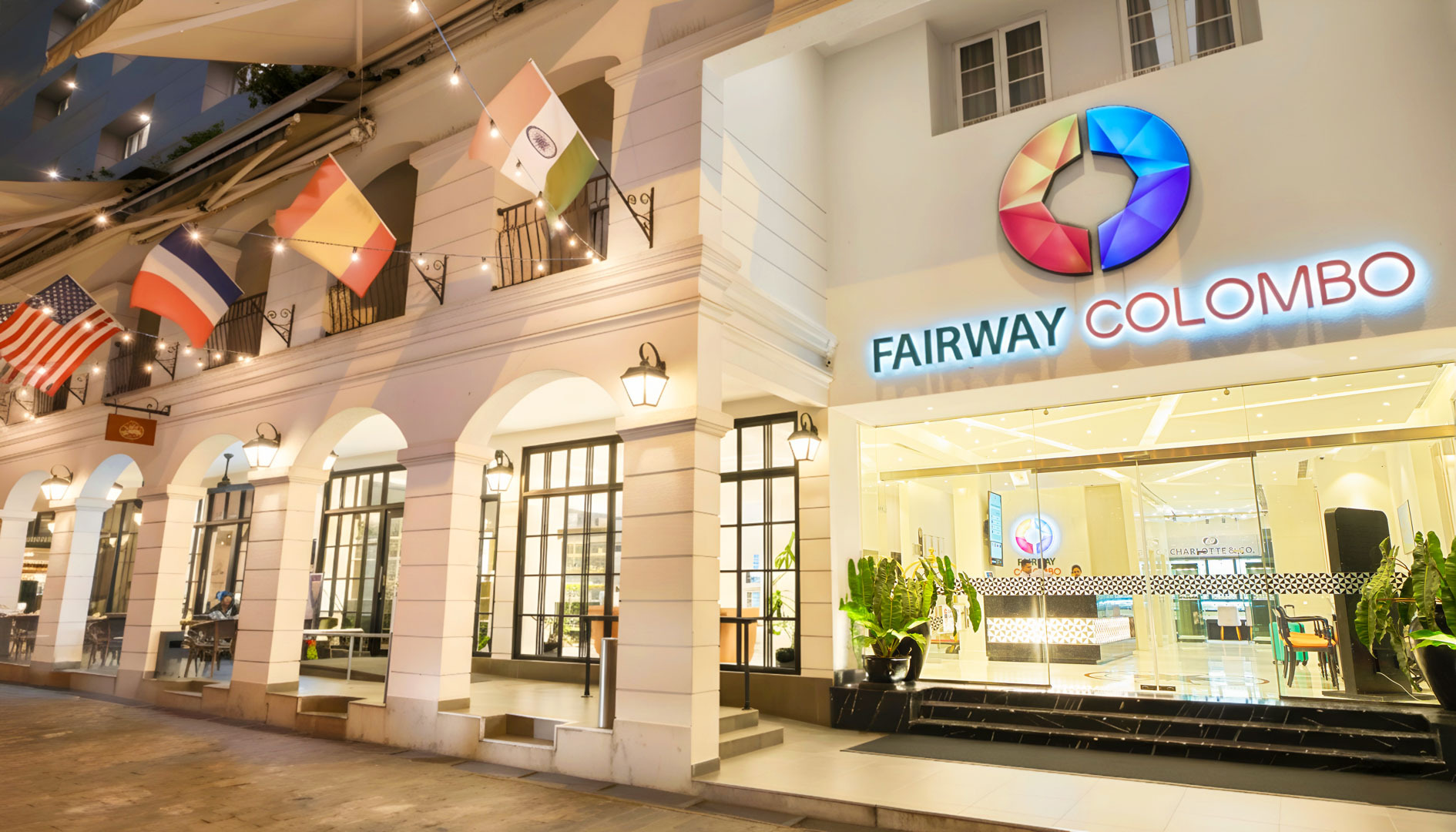

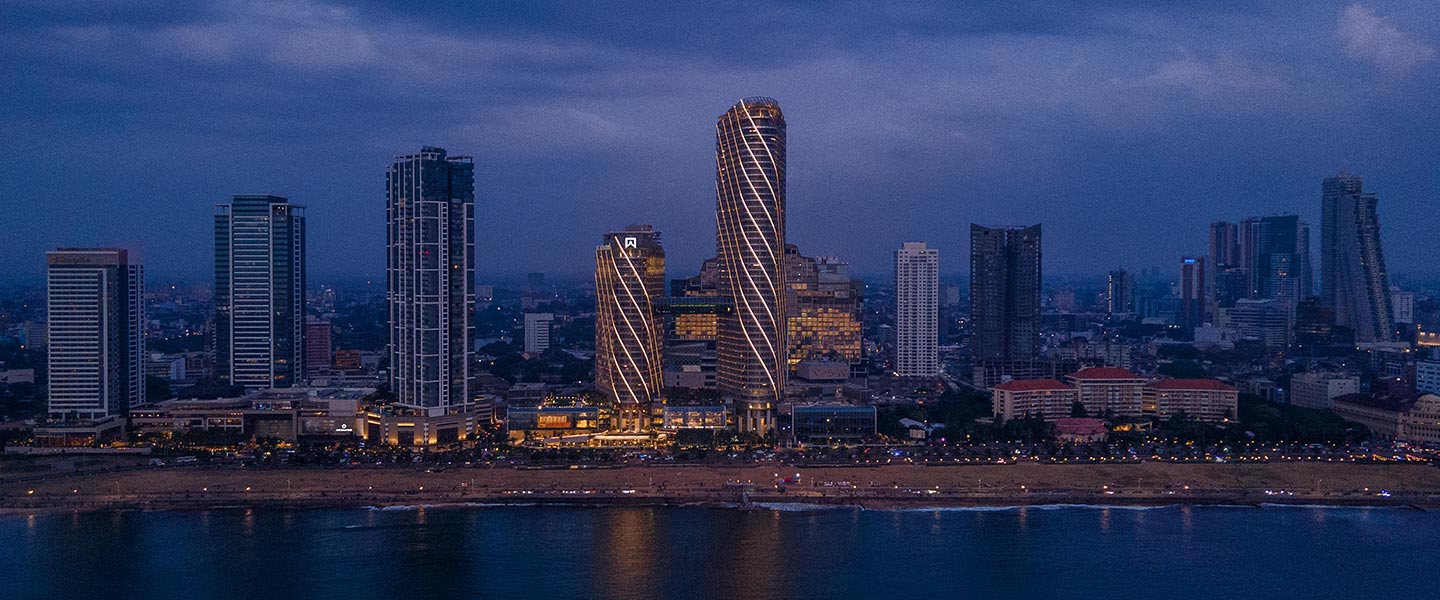
If none of these feels quite right, the map below is the easiest way to compare what suits your version of Colombo best. In this city, I think the area matters almost as much as the hotel itself, because the feel of your stay changes a lot depending on whether you choose Galle Face, Kollupitiya, Fort, Cinnamon Gardens, or Bambalapitiya.
How to get around Colombo
Getting around Colombo is not difficult, but it is one of those cities where the right transport choice can change the whole feel of the day. Distances are not always huge, but traffic, heat, and timing matter. Because of that, I would not overpack your itinerary or assume that moving between neighborhoods will always be quick.

In general, I think Colombo works best when you combine a car or tuk-tuk for longer hops with shorter, more intentional walks in the parts of the city that are actually pleasant to explore on foot. That gives you the best balance between practicality and atmosphere.
Getting from Colombo airport to the city
After a long flight, I think the easiest thing is to keep your arrival as simple as possible. The option I would personally recommend first is booking an airport taxi in advance through Booking.com. That is what I usually do myself, and for me it is the most stress-free, reliable, and surprisingly affordable way to arrive.
What I like about it is that there is very little to think about once you land. You enter your flight number when booking, the driver tracks your arrival, and they wait for you even if your flight is delayed. After a tiring travel day, that kind of simplicity makes a huge difference. You do not need to negotiate, figure out the pickup, or start your first hour in Sri Lanka already making decisions.
✨ Airport to Colombo: quick answer
- ✈️ Best overall option: Pre-book a taxi — this is what I usually do myself, and I find it the easiest and most reliable arrival option.
- 📱 Good alternative: Uber or PickMe.
- 🚕 Simple fallback: Airport taxi.
- 💸 Cheapest option: Bus or train, but only if you have time and do not mind a less direct arrival.
- 🌙 Late-night arrival: I would definitely keep it simple and use a pre-booked transfer or taxi.
- 🎒 Heavy luggage: Also taxi or ride app, not public transport.
Uber and PickMe can also work well, and I would still consider them if I wanted a flexible app-based ride. A regular airport taxi is another perfectly fine fallback. But if I were advising a friend landing in Colombo for the first time, especially after a long-haul flight or at night, I would say: pre-book the transfer and make life easy for yourself.

If you want the cheapest option, bus or train can work, but I would only go that route if you are arriving with lighter luggage, more energy, and more patience. For most first arrivals in Colombo, I honestly think the smoothest start is worth it.
🚖 Book your Colombo airport transfer — the easiest way to arrive in the city without stress. I usually book my airport taxi in advance like this, because it is simple, reliable, and often very reasonably priced. You add your flight number, and the driver waits for you even if your flight is delayed.
The best ways to get around Colombo itself
Inside Colombo, I think the most useful approach is to stay flexible.
🚖 Colombo transport at a glance
| Option | Best for | My take |
|---|---|---|
| Tuk-tuk | Short hops | Very useful for making Colombo feel easy. |
| Uber / PickMe | Convenience and price balance | One of the easiest choices for longer city moves. |
| Walking | Seafronts, lake area, calmer districts | Best in selected areas, not for forcing all-day city coverage. |
| Bus / train | Budget travel | Useful, but not the calmest first-time experience. |
| Airport taxi | Arrival day and late night | The lowest-stress airport option. :contentReference[oaicite:5]{index=5} |
Tuk-tuks are great for short city hops and for getting between neighborhoods without much fuss. They make the city feel easy. Uber and PickMe are especially useful when you want a slightly more predictable ride arrangement, and Uber officially supports Colombo airport pickup and dropoff, which usually reflects a broader operating presence in the Colombo area too.

Walking works well in some parts of Colombo, but not everywhere. I found it nicest around places like Galle Face, the lake area, and some of the calmer, greener parts of the city. In other areas, the combination of heat, traffic, and uneven city rhythm makes long wandering less enjoyable. Colombo is walkable in pieces, not always as one continuous walking city.
💡 Insider tip: Colombo gets much more enjoyable when you stop trying to treat it like a city you should cover all at once. I would group sights by area, use rides for longer jumps, and save walking for the places that actually feel good on foot.
Buses and trains exist and can be useful, especially if you already know where you are going, but I would not build a first-time Colombo itinerary around them unless you specifically enjoy navigating public transport in a new city. They make more sense as practical tools than as the most relaxed way to explore.


So yes, Colombo is easy enough to explore without a car — but that does not mean you should try to do everything on foot. The best version of Colombo, at least to me, is a mix of intentional walking, short rides, and not trying to cram too much into one day.
Best time to visit Colombo
The best time to visit Colombo is usually January to March, when the city tends to feel a little easier for walking, sightseeing, and settling into Sri Lanka without quite as much rain. That said, Colombo is a year-round city, not a sharply seasonal destination. Temperatures stay fairly warm throughout the year, and what changes more noticeably is the rainfall, humidity, and overall comfort for being out in the city. In other words, this is less about “hot vs cold” and more about drier vs wetter, and about how enjoyable the city feels on foot. Colombo’s driest stretch is typically around February, while October and November are among the wettest months.


If I were planning a first trip, I would choose January, February, or March for the easiest all-round experience. April to June can still work well, but it starts to feel more humid and rain becomes more noticeable. October and November are the months I would be most cautious with if your priority is smooth sightseeing, because the city is usually wetter then. On the other hand, if you care more about lower prices and do not mind tropical rain, the wetter months can still be completely workable. The monthly averages below are approximate and designed to help you compare rainfall, temperatures, humidity, and overall city comfort at a glance.
☀️ Colombo weather by month
| Month | Avg high | Avg low | Rainfall | Humidity | Season feel | Best for |
|---|---|---|---|---|---|---|
| Jan | 31°C | 23°C | 80 mm | 73% | Relatively dry | Sightseeing, walking |
| Feb | 32°C | 24°C | 45–70 mm | 74% | Driest month | Best all-round month |
| Mar | 32°C | 25°C | 65–150 mm | 75% | Warm, still workable | First-time visits |
| Apr | 32°C | 26°C | 135–250 mm | 77% | Hot, more humid | Mixed city days |
| May | 32°C | 26°C | 150–300 mm | 79% | Southwest monsoon period | Lower prices, flexible plans |
| Jun | 31°C | 26°C | 100–190 mm | 79% | Humid, rainy spells | Budget-conscious travel |
| Jul | 31°C | 26°C | 55–115 mm | 78% | More manageable | City breaks with flexibility |
| Aug | 31°C | 26°C | 60–130 mm | 79% | Warm, humid | Balanced off-season travel |
| Sep | 31°C | 26°C | 105–300 mm | 80% | Wetter again | Flexible itineraries only |
| Oct | 31°C | 25°C | 205–395 mm | 81% | Wettest period | Lower prices, indoor plans |
| Nov | 31°C | 24°C | 220–300 mm | 81% | Very wet | Budget travel with patience |
| Dec | 31°C | 24°C | 115–240 mm | 78% | Improving, still humid | Festive-season city stays |
I was in Colombo from the middle of November, and the weather was honestly better than I expected. There were a few short tropical showers, but not every day, and they usually came later in the day rather than ruining everything from morning onward. I still had plenty of sun, blue skies, and very workable sightseeing weather, so I would not automatically write Colombo off just because you are traveling in November.
What & where to eat in Colombo
One of the things that made me fall for Colombo so quickly was the food. This is one of the best cities in Sri Lanka to begin getting to know the country through what you eat, because you can move easily between Sri Lankan breakfasts, seafood, short eats, cafés, and more local everyday spots. Food here never felt like a performance to me. It felt like part of the city’s rhythm.

That is also one of the reasons I think Colombo should not be treated as just a transit stop. Even if you only have a day or two, it is worth slowing down for a proper breakfast, a few short eats through the day, a café pause when the heat builds, and one slower dinner. For me, that is one of the nicest ways to experience the city.
Best local food to try in Colombo
If it is your first time in Sri Lanka, Colombo is a very good place to begin with the classics. I would absolutely try a proper Sri Lankan breakfast, especially if you can find hoppers, egg hoppers, string hoppers, pol sambol, dhal, and a few curries together. That kind of meal already tells you a lot about the country. It is comforting, flavorful, and much more memorable than a generic hotel breakfast.
✨ What I would try first in Colombo
- 🍳 Egg hoppers and string hoppers for breakfast
- 🥥 Pol sambol and dhal as essential sides
- 🍛 Rice and curry for a fuller local meal
- 🔪 Kottu for something more urban and filling
- 🥟 Short eats from bakeries and snack counters through the day
- 🦀 One proper seafood dinner, especially if crab appeals
If it is your first time in Sri Lanka, Colombo is a very good place to begin with the classics. I would absolutely try a proper Sri Lankan breakfast, especially if you can find hoppers, egg hoppers, string hoppers, pol sambol, dhal, and a few curries together. That kind of breakfast already tells you a lot about the country. It is comforting, full of flavor, and much more memorable than defaulting to a generic hotel buffet.


Beyond breakfast, I would make room for rice and curry, kottu, and plenty of short eats. Colombo is also a very good place to have seafood, especially if you want one slightly more atmospheric dinner. I would not approach this city by chasing only one famous dish. It is much better to stay curious, try different things in different settings, and let food become part of the day naturally.

If I were pointing someone toward a few specific Colombo food spots, I would split them by mood rather than by trying to declare one single “best” place. For a memorable seafood meal, Ministry of Crab is one of the obvious names for a reason, especially if you want one standout dinner in a historic setting. If you want a more classic Sri Lankan restaurant meal, Curry Leaf is a good one to know. For café breaks, I would look at places like Café Kumbuk, Barefoot Garden Café, or Paradise Road The Gallery Café, depending on whether you want something healthier, greener, or more design-led and polished.


I also think Colombo is a great city for eating in a more local, everyday way. This is where short eats, bakery stops, tea, and small snack moments really come into their own. You do not need to turn every meal into a big restaurant experience. In fact, Colombo often feels better when you do not. One of the nicest rhythms here is a good breakfast, something small later on, a café stop when you need a reset, and then one proper dinner in the evening.
💡 Insider tip: One of the nicest ways to eat in Colombo is to stop treating food as a separate “activity.” Build it into the day: a proper breakfast, a few short eats, a café pause when the heat builds, and one slower dinner. And if you are trying to be a bit more blood-sugar-conscious, I would not skip the local food — I would just pace it better and balance it where I can.
Because I was recently diagnosed with prediabetes, I was also trying to eat in Colombo in a way that felt enjoyable but a bit more balanced. I still wanted to try the local food properly, but I paid more attention to rhythm and pairing rather than just eating whatever all day. Things like curd with psyllium, or lemon juice in the morning, were small habits that helped me feel steadier. So if you are also trying to be a little more blood-sugar-conscious, my advice would be not to skip Sri Lankan food, but to pace it better: enjoy the hoppers and short eats, but balance them with protein, curd, seafood, vegetables, and more regular meals when you can.
Money, costs, and practical tips
Colombo is not a city I would call ultra-cheap, but it also does not feel difficult or expensive to manage if you travel with a bit of flexibility. What I noticed is that it works as a mixed-budget city. Local food, tuk-tuks, and everyday basics can be very affordable, while nicer hotels, polished cafés, and more upscale restaurants can feel much more international in pricing. So the smartest expectation is not “cheap” or “expensive,” but a mix of both depending on how you travel.
When it comes to paying for things, I would not rely entirely on either cash or card. Colombo feels easiest when you have both. Cards are very useful for hotels, nicer restaurants, cafés, and bigger places, but I would always keep some cash for smaller expenses, local food, tips, tuk-tuks, and situations where cash is simply easier. That balance makes the city feel much more straightforward.


For ATMs and money exchange, I would not overcomplicate things. Colombo is easy enough for withdrawing cash once you arrive, and I think that is usually the most practical way to handle money. I would just avoid leaving it too late at night or putting yourself in a situation where you have no cash at all.
For SIM cards and internet, I would sort that out as early as possible, ideally right after landing. Having data from the beginning makes everything easier — maps, hotel directions, ride apps, messages, and just feeling more relaxed in the city. It is one of those small things that makes a very big difference on arrival day.
💡 Insider tip: Colombo becomes much easier once you sort out three things early: some cash, a SIM card, and a realistic plan for the day. After that, most of the small stress disappears and the city starts to feel very manageable.
For what to wear in Colombo, I keep it simple: light, breathable clothes, comfortable shoes, and something a little more modest to throw on when needed. Colombo is warm, humid, and urban, so the goal is to feel comfortable without looking completely unprepared for religious or more conservative spaces.


That matters especially for temples and religious sites. In those places, you should dress respectfully, with shoulders and knees covered, and be ready to remove shoes when required. I would also be thoughtful with body language and photos. In Colombo, and in Sri Lanka more broadly, religious spaces feel active and lived in, not like backdrops, and I think it is important to behave that way.
As for tipping, I have kept it relaxed. It is not mandatory, and there is no need to treat it like a rigid system or something to stress over. In Colombo, small tips feel most natural as a gesture of appreciation — for helpful service, a very good driver, hotel staff that went out of their way, or an amazing guide — rather than something you need to calculate constantly.
Is Colombo safe?
Overall, yes — I found Colombo safe, and it is not a city I would describe as unsettling in a constant or overwhelming way. I personally felt safe the whole time, including at night while walking on the streets. That said, I would still approach it the way I approach any big city: with a bit of awareness, common sense, and no need to act carelessly just because things feel fine.
✨ Colombo safety at a glance
- 🌙 Did I feel safe? Yes — including at night.
- 👣 Walking around: Generally felt manageable and comfortable, especially with normal awareness.
- 🎒 Main thing to watch: Stay a bit more alert in crowded places like Pettah.
- 👩 Solo female travel: I found Colombo fine, but I would still use the same smart habits I would use in any big city.
- 🧠 Best mindset: Feel relaxed, but do not stop being sensible.
What made Colombo feel manageable to me is that it did not give off that constant edge some large cities do. I moved around, walked, explored different areas, and generally felt comfortable. But I also think it is important to separate feeling safe from acting as if nothing can go wrong. The city still makes the most sense when you stay smart, observant, and a little intentional, especially after dark or in busier areas.


For tourists, I think Colombo is very manageable if you use normal city judgment. Keep an eye on your belongings in crowded places like Pettah, do not flash valuables unnecessarily, and do not make yourself an easy target by being completely distracted. The same goes for transport: use tuk-tuks, ride apps, or taxis in a way that feels straightforward rather than improvised when you are tired or unsure.
For solo female travelers, I would still keep the same baseline rules I would use anywhere else: know roughly where you are going, avoid drifting around aimlessly very late if an area feels empty or off, and trust your instincts if something feels uncomfortable. To me, that is not fear-based travel — it is just sensible travel.
In terms of scams or things to watch for, I would not make this sound bigger than it needs to be. Colombo did not feel scam-heavy to me in a way that dominated the experience. The main things I would watch for are the more ordinary ones: being overcharged in situations where there is no fixed price, getting a bit too relaxed with valuables in crowded areas, or assuming every part of the city feels equally easy late at night. Nothing extreme — just the usual reminder to stay switched on.
💡 Insider tip: Colombo felt safest to me when I treated it neither as dangerous nor as a place to be careless. That balance works well here: walk confidently, stay aware, and keep your decisions simple.
The areas where I would be a bit more alert are not necessarily “dangerous,” but simply busier, more intense, or less comfortable to navigate carelessly. Pettah, for example, is one of the places where I would be more aware of my bag, phone, and surroundings, not because it felt threatening, but because it is crowded, chaotic, and easy to get distracted in. At night, I think the smarter approach is not paranoia, but choosing your moments: some parts of Colombo feel pleasant and easy, while others are simply less enjoyable when tired, alone, or without a clear reason to be there.
So my honest take is this: yes, Colombo felt safe to me, and I would not want to exaggerate the risks. But I also would not switch off my brain just because I felt comfortable. The best approach is the simplest one — enjoy the city, walk it, explore it, be confident, but stay smart.
14. Responsible and respectful travel in Colombo
Colombo is the kind of city that gives more back when you do not rush to consume it. It is easy to arrive with a checklist mindset — see a few sights, eat a few meals, move on — but I honestly think Colombo becomes much more rewarding when you approach it with a little more attention, patience, and respect. This is not a city that exists for tourists. It is a real, busy, layered place where people are living their everyday lives, and that is exactly what makes it interesting.
How to experience Colombo more thoughtfully
One of the best ways to experience Colombo more thoughtfully is simply to slow your pace down a little. Walk where it makes sense, sit down for a proper breakfast, return to places you like, notice how neighborhoods change, and leave space in the day for the city to surprise you. Colombo is not at its best when treated like a box-ticking exercise. It is better when you let its food, architecture, street life, faith, and atmosphere unfold gradually.

That matters especially in temples and religious spaces. These are not just beautiful places to photograph or pass through quickly. They are active spaces with meaning, routine, and real presence. I think the right approach is simple: dress modestly, move calmly, lower the volume, follow the lead of the space, and remember that respect matters more than getting the perfect photo. The same goes for other religious places too — whether it is a Buddhist temple, mosque, or church, Colombo makes much more sense when you enter those places with some humility.


The same kind of awareness matters when it comes to photographing people and daily life. Colombo is visually rich, and it is very tempting to point your camera at everything. But I think there is a big difference between documenting a city and turning people into scenery. Markets, street corners, food stalls, and everyday scenes are part of what makes Colombo fascinating, but I would always try to photograph in a way that feels observant rather than intrusive. If a photo feels too direct, too invasive, or too much like it depends on someone else’s private moment, I would let it go.
Travel sustainably by supporting local businesses in Colombo
Being thoughtful in Colombo also means supporting local businesses where you can. That does not have to mean forcing every choice into some perfect ethical framework. It can be very simple: eat in local places, stop at independent cafés, buy from smaller shops, take interest in the city beyond the most polished tourist-facing layer. For me, some of the nicest moments in Colombo came from exactly that kind of everyday spending and slowing down, not from chasing only the biggest names.

✨ A more thoughtful way to experience Colombo
- 🌿 Slow down a little: Colombo gives more back when you leave space for the city to unfold.
- 🛕 Respect religious spaces: Dress modestly, move calmly, and do not treat temples as photo sets.
- 📷 Photograph thoughtfully: Observe the city without turning everyday life into a spectacle.
- ☕ Support local businesses: Eat locally, stop in smaller cafés, and let your spending stay connected to the city.
- 💛 Travel with humility: Colombo feels best when approached as a real place, not just a stop on an itinerary.
And I do think Colombo is genuinely better when you slow down. It is better when you come back to the lake area more than once. Better when you sit by the sea instead of only photographing it. Better when you let food become part of the day. Better when you notice details in buildings, side streets, and quieter moments between the main stops. Colombo may not be the city that shouts the loudest at first, but it becomes much easier to love when you meet it with a little more patience.


Common mistakes to avoid in Colombo
Colombo gets much better once you stop expecting it to behave like a postcard city. A lot of the disappointment people feel here comes less from the city itself and more from approaching it the wrong way. These are the mistakes I would most avoid if you want Colombo to feel easier, richer, and much more rewarding.
✨ What not to do in Colombo
1. Rushing through Colombo like it is only a stopover
This is probably the biggest mistake. Colombo is not the kind of city that always impresses instantly, but it becomes much more interesting when you give it a little time. Even one or two thoughtful days can change the whole feel of it.
2. Trying to do too much in the middle of the day
Colombo can feel hot, humid, and draining, especially if you try to power through it without breaks. I would save more intense walking and sightseeing for the morning or later afternoon, and use the hottest part of the day for a museum, lunch, café, or slower indoor stop.
3. Ignoring traffic when planning the day
Distances in Colombo do not always look dramatic on the map, but the city can still take more time than expected. I would group sights by area and keep the plan realistic instead of jumping back and forth across the city.
4. Eating too generically
Colombo is one of the best places in Sri Lanka to start understanding the country through food. Skipping Sri Lankan breakfast, short eats, rice and curry, or local seafood and sticking only to generic hotel or Western food would be a real loss.
5. Staying only in the polished version of the city
Places like Galle Face and some of the nicer hotels can make Colombo feel sleek and easy, which is lovely — but if you never step beyond that, you miss a lot. The city becomes more memorable when you also make room for places like Pettah, local food spots, and everyday neighborhoods.
6. Dressing carelessly for temples
Colombo itself is fairly relaxed, but temples and religious spaces are different. I would always have something suitable for covering shoulders and knees, and be ready to remove shoes when needed. It is a small thing, but it changes the tone of the visit completely.
7. Expecting every part of Colombo to feel polished, scenic, or instantly charming
Colombo is not uniformly beautiful, and I think it is better to accept that from the start. Some parts feel busy, rough, messy, or visually unremarkable. That does not mean they are not worth seeing. The city works best when you appreciate it for its rhythm, contrast, texture, and everyday life, not just for postcard moments.
8. Overplanning every hour
Colombo rewards a bit of flexibility. Some of the nicest parts of the city are not big “sights” at all, but a café stop, a return to the lake, a sunset walk, or a slower meal. I would leave some breathing room in the itinerary rather than trying to optimize every minute.


I did not genuinely think I was going to fall for Colombo.
Before arriving, while planning my trip, I saw it the way many travelers do at first: as Sri Lanka’s big capital, a practical beginning, a place to land, reset, and then move on from. I did not expect it to become one of the places that would stay with me. But that is exactly what happened. Colombo was so easy to fall in love with — not in a loud, obvious, instant way, but in the slower way that often lasts longer.


What won me over was not one single headline sight. It was the rhythm of the city, the food, the sea, the temples, the mix of faiths and architecture, the everyday life on the streets, the little pauses by the lake, the feeling of the country beginning to open itself up. Colombo did not feel like a place that existed just to impress visitors. It felt real, layered, human, and alive. And that, in the end, is exactly why it worked so well for me.
So if you are wondering whether Colombo is worth more than a quick stopover, my answer is yes. Colombo rewards travelers who are willing to give it a little time — to look beyond the first impression, to eat well, walk slowly, notice details, and let the city unfold. It may not be the most instantly seductive part of Sri Lanka, but for me, it became one of the easiest to love.
Colombo FAQ
If you still have a few practical questions before deciding how much time to give Colombo, these are the ones I think matter most.
Is Colombo worth visiting?
Yes — absolutely. Colombo is worth visiting if you give it a little more than surface-level attention. I did not expect to like it as much as I did, but it turned out to be one of those cities that becomes very easy to love through its food, rhythm, temples, street life, architecture, and everyday atmosphere.
How many days do you need in Colombo?
2 days is the sweet spot. One day is enough for the main highlights, but two gives Colombo room to breathe and lets you enjoy the city more naturally. If you like slower urban travel, 3 days or more can also work very well.
What is the best area to stay in Colombo?
For most first-time visitors, I think Kollupitiya is the best all-round base. Galle Face is great if you want a more scenic and polished stay, while Cinnamon Gardens is best if you prefer something calmer and greener.
Is Colombo safe?
Yes — I personally felt safe the whole time, including at night while walking on the streets. Still, I would approach Colombo the way I would any big city: stay aware, keep an eye on your things in crowded areas, and be sensible rather than careless.
Is Colombo expensive?
Colombo feels like a mixed-budget city. Local food, tuk-tuks, and everyday spending can be very reasonable, while upscale hotels, polished cafés, and certain restaurants are more international in pricing. It is not ultra-cheap, but it is very manageable.
Can you explore Colombo without a car?
Yes — very easily. Colombo works well with a mix of walking, tuk-tuks, Uber, and PickMe. I would not try to walk absolutely everything, but you definitely do not need a car to explore the city well.
How do you get from Colombo airport to the city?
The easiest option is to pre-book a taxi. That is what I would recommend first because it is simple, reliable, and ideal after a long flight. Uber, PickMe, and airport taxis also work, but a pre-booked transfer makes arrival feel much smoother.
What is the best time to visit Colombo?
I think January to March is the easiest all-round time to visit Colombo, especially for sightseeing and walking. That said, I was there from the middle of November and still had plenty of sun, blue skies, and workable weather, with only a few short tropical showers.
Is Colombo good for slow travel?
Yes — very much so. Colombo is better when you slow down, eat well, walk certain areas properly, return to places you like, and let the city unfold through its food, faith, architecture, and daily rhythm rather than rushing through a checklist.
Is Colombo better at the beginning or end of a Sri Lanka trip?
Honestly, both can work. At the beginning, Colombo helps you ease into Sri Lanka through the city’s rhythm, food, and first impressions. At the end, it works well as a place to slow down, eat well, and enjoy a final urban layer of the trip before flying out.


